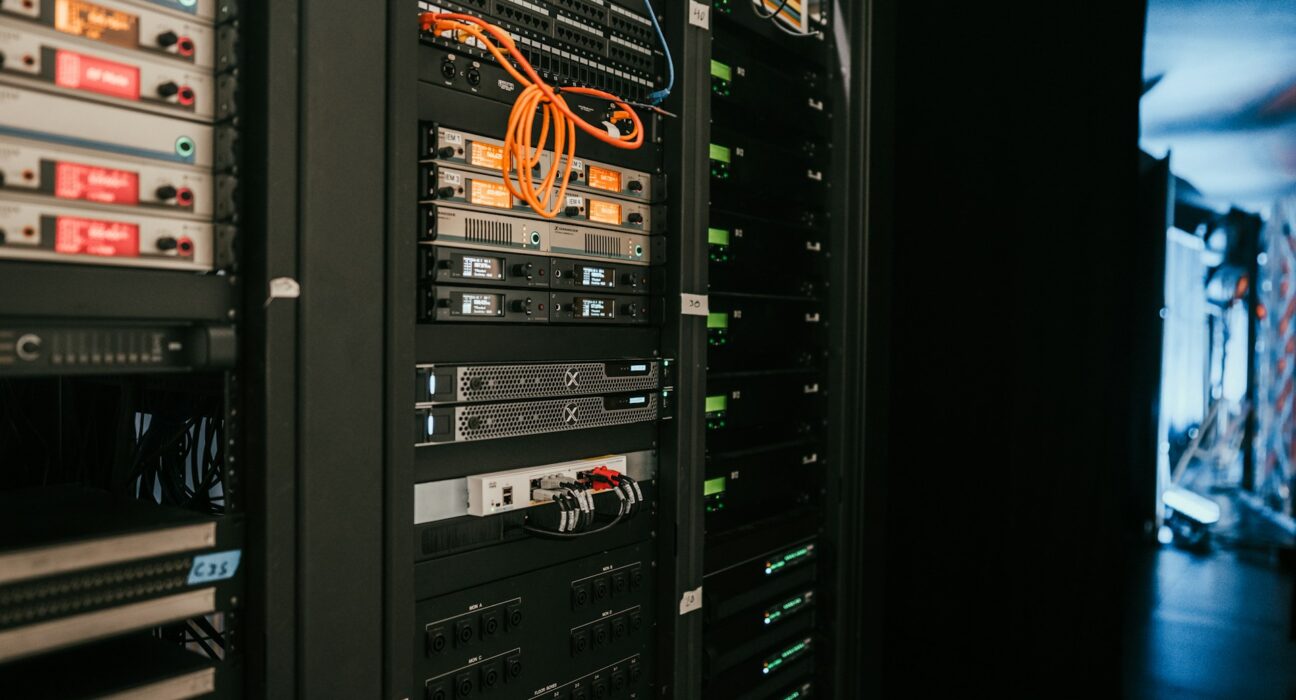
Cloud computing has enabled start-ups and small local businesses to effectively scale without the need for physical servers. It is generally cost effective when a business is getting started and can be flexible to growing demands.
However, there is still very much a business case for in-house storage within the start up and SME space.
While this might not apply to all startups, there are businesses that still operate on a model that requires the reliability and privacy that physical servers provide.
Here are the instances in which paying a bit more up front for physical data storage might be the correct option for a business.
Security
Security is paramount for nearly every business operation, however there are some businesses that need security more than others.
Solicitors, accountants and local government are present in almost every town, and are the perfect use case for in-house hosting as they often handle highly sensitive data.
A larger breach that is unrelated to your business but still has the potential to compromise sensitive data is a huge risk.
Under laws like GDPR, HIPAA, CCPA, etc., the data controller (the business) is responsible for protecting customer/patient data. That means that taking poor measures to protect data could put a small business at risk of a lawsuit.
Peace Of Mind
This year alone there have been several outages across Cloudflare and AWS which has caused significant disruption.
While these outages have been limited to hours and not days, the risk of larger outages could be enough to warrant going in-house should your business be data reliant.
In an increasingly data-centric world, being able to guarantee continuity of service is a huge factor in your favour.
Control
If your local area’s internet connectivity isn’t reliable enough for cloud services or if you are in a regulated space, then control over continuous access to data is a must
You can guarantee good continuity so long as you maintain your server in good condition, which is not as daunting a task as you may think.
Dell Tower Servers are made to be easy to set up and run with just a little bit of tech hardware knowledge.
Local IT shops are also able to service your server if there is no one in your staff who would be confident being hands-on with your tech.
Control over your server means you have a set amount of storage, no more than you need and when you do need more you can scale up.
Costs Efficiency
While a server is a larger upfront cost, consider how much your cloud subscription would be after months and years combined.
If you have a rough idea of how much data you’ll need stored over that period, see how much a suitable server would cost. You’ll often find that there are some great savings to be made.
Is It Right For Your Business?
Cloud storage absolutely has its place, and for many startups it’s the right choice. But if you’re handling sensitive data, need guaranteed uptime, or want predictable costs, an in-house server might be worth considering.
Ultimately, the decision comes down to your specific needs. If control, security, and long-term cost savings align with your business model, that upfront investment in physical infrastructure could pay dividends.
For more, visit Pure Magazine