


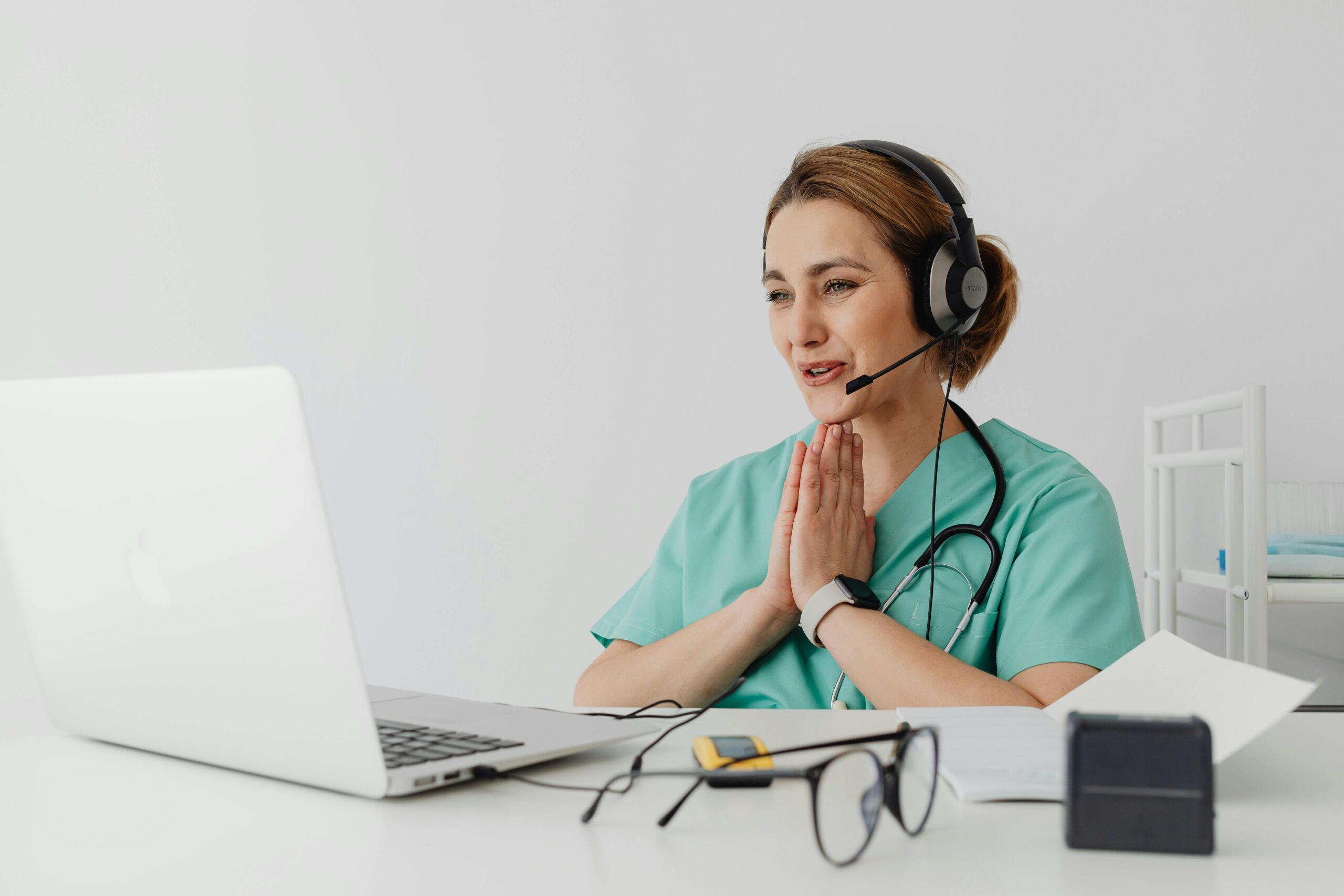
General practice is burdened by demand. Receptionists play traffic warden, not gatekeeper, and phones ring like fire alarms. Telemedicine strolls into this chaos with a very simple proposition: stop dragging every cough and query into the waiting room. Digital consultation doesn’t replace clinical judgement. It filters out nonsense from necessity and highlights what truly needs a stethoscope and time. And the sorting power matters. When routine reviews, minor ailments, and medication questions shift online, surgical time increases. So the real question isn’t whether screens threaten care. The question is whether bricks and mortar can function without them.
From Queue to Click
The old model worships the queue: phone at eight, scramble for slots, then sit in a crowded room. Telemedicine murders that ritual. Patients submit symptoms online, speak via video, or receive a rapid callback. And that’s where services like that of Anytime Doctor stand out, because they strip away the pointless commute for simple, low-risk issues and routine prescription requests. GPs then reserve face‑to‑face time for the complex, the frail, and the worrying. So pressure falls, not by magic, but by refusing to waste clinical attention on problems a screen can handle safely, repeatedly, and far more quickly.
Triage as a Clinical Weapon
Triage used to mean a harassed receptionist guessing who sounded sickest. Digital systems revolutionise the process. Structured questionnaires, photos, and symptom checkers funnel problems into broad clinical categories before a physician even looks. And that pre-sorting matters. GPs identify which cases require urgent attention, which require routine slots, and which require advice only. So the practice stops playing diary roulette and starts doing planned medicine. It transforms chaos into a queue that makes sense, reducing staff stress and patient waiting time while keeping the sickest at the front of the line.
Access Without Overload
Telemedicine can increase access and demand if not managed appropriately. Provide immediate video calls without gates or surgeries. Smart systems don’t. Sending regular issues to online forms, chemists, or asynchronous messaging expands access sideways. These systems limit daily clinical capacity by assuming either unlimited appointments or staff who can work indefinitely. Even if not in real time, rapid responses make patients feel heard. Access improves while workloads stay stable, ensuring in-person care for those who require it.
Trust, Data, and the Human Factor
Technology is less problematic than humans. Patient concerns include privacy, misdiagnosis, and chilly, screen-based interactions. Clinicians fear risk, workload growth, and the loss of professional control. Strong data security, explicit consent, and appropriate clinical regulations help. Effective communication can also overcome other concerns by identifying which problems are suitable for remote evaluation and why. Telemedicine works best as an extension of the operating room, not a competitor. Patients gain trust because they see the same professionals via another doorway, under the same standards and duty of care.
Conclusion
Telemedicine doesn’t rescue general practice on its own. Telemedicine functions more like a pressure valve than a revolutionary change. When surgeries bolt it on without redesign, it just adds another inbox and another source of frustration. When they rebuild workflows around it, something different happens. Routine care transitions online, triage improves, continuity of care endures, and the waiting room no longer overflows. This is the true benefit. Not shiny apps, but time: more minutes per complex case, more headspace for thinking, and fewer burnt‑out clinicians walking towards the exit and never coming back.
For more, visit Pure Magazine