


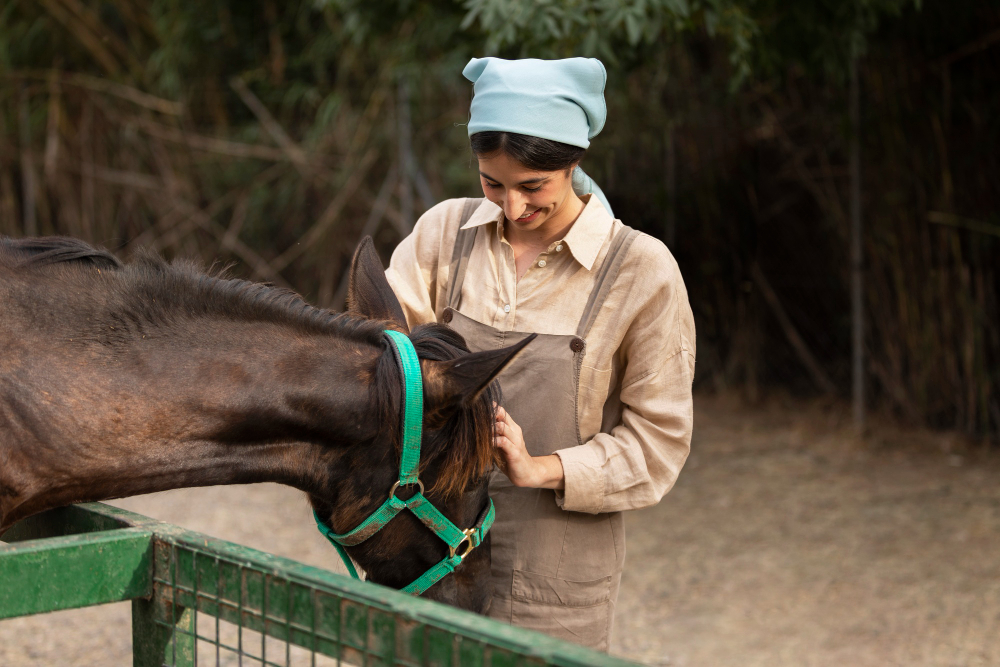
Owning a horse is a dream for many people. The freedom, the bond, and the lifestyle that comes with horse ownership can be incredibly rewarding. However, the financial side of owning a horse often comes as a surprise to first-time owners. Beyond the purchase price, there are ongoing and sometimes unexpected costs that can quickly add up. Understanding these expenses from the start is essential for responsible and stress-free ownership.
This guide breaks down the real costs of owning a horse and offers practical budgeting tips to help new owners plan with confidence.
The Initial Purchase Price
The cost of buying a horse varies widely depending on age, training, breed, and intended use. Some horses may be available for a few thousand dollars, while others can cost significantly more. It’s common for new owners browsing horses for sale Florida or other regions to focus mainly on the upfront price, but this is only the beginning of the financial commitment.
In addition to the horse itself, initial costs often include a pre-purchase veterinary exam, transportation, and basic tack such as a saddle, bridle, and grooming equipment. These early expenses can easily add several thousand dollars to your starting budget.
Boarding and Housing Costs
Unless you own suitable land, boarding will likely be your largest ongoing expense. Boarding fees vary by location and facility type, ranging from basic pasture boarding to full-service stables with daily care, feeding, and stall cleaning.
Monthly boarding costs typically include:
- Stall or pasture space
- Daily feeding
- Access to riding arenas and trails
- Basic facility maintenance
Premium facilities may also offer additional services such as blanketing, turnout management, or training programs, which can increase monthly costs. When budgeting, always factor in potential price increases over time.
Feed and Nutrition Expenses
Proper nutrition is critical for a horse’s health and performance. Feed costs depend on the horse’s size, activity level, and dietary needs. At a minimum, most horses require quality hay and access to fresh water.
Additional feed-related expenses may include:
- Grain or concentrates
- Supplements for joint health, digestion, or coat condition
- Salt blocks and minerals
Feed prices can fluctuate due to weather conditions and supply issues, so it’s wise to leave some flexibility in your monthly budget.
Veterinary and Healthcare Costs
Routine veterinary care is a non-negotiable part of horse ownership. Annual expenses usually include vaccinations, dental care, and wellness checkups. These predictable costs should be built into your yearly budget.
Unexpected medical issues can arise at any time, including colic, injuries, or infections. Emergency vet visits can be costly, which is why many owners consider setting aside an emergency fund or investing in equine insurance to reduce financial risk.
Farrier and Hoof Care
Regular hoof care is essential for your horse’s comfort and soundness. Most horses require trimming or shoeing every six to eight weeks. The cost depends on whether the horse is barefoot or shod and the complexity of the work required.
Neglecting hoof care can lead to lameness and long-term health issues, making this an expense that should never be skipped, even when budgets are tight.
Equipment, Tack, and Ongoing Supplies
Tack and equipment wear out over time and may need to be replaced or upgraded. Common ongoing expenses include:
- Replacement saddle pads and girths
- Fly masks, blankets, and sheets
- Grooming supplies and stable tools
Seasonal changes can also bring additional costs, such as winter blankets or fly control products during warmer months.
Training, Lessons, and Riding Costs
Many new owners benefit from professional training or riding lessons, especially if they are still developing their skills. Training fees can be charged weekly or monthly and vary based on the trainer’s experience and location.
Even experienced riders often budget for occasional lessons to improve technique or address behavioral issues, making this an important consideration for long-term planning.
Budgeting Tips for New Horse Owners
Creating a realistic budget is the key to enjoying horse ownership without financial strain. Start by listing all fixed monthly costs, such as boarding and farrier care, then add estimated variable expenses like veterinary care and equipment.
Helpful budgeting tips include:
- Setting aside an emergency fund specifically for horse-related expenses
- Tracking spending during your first year to identify patterns
- Avoiding impulse purchases of unnecessary equipment
- Planning ahead for seasonal and annual costs
Being financially prepared allows you to focus on building a strong bond with your horse rather than worrying about unexpected bills.
Final Thoughts
Owning a horse is a long-term commitment that requires careful financial planning. While the costs can be significant, understanding them upfront makes the experience far more manageable and enjoyable. With realistic expectations and smart budgeting, new owners can provide excellent care for their horses while maintaining financial stability and peace of mind.
For more, visit Pure Magazine