


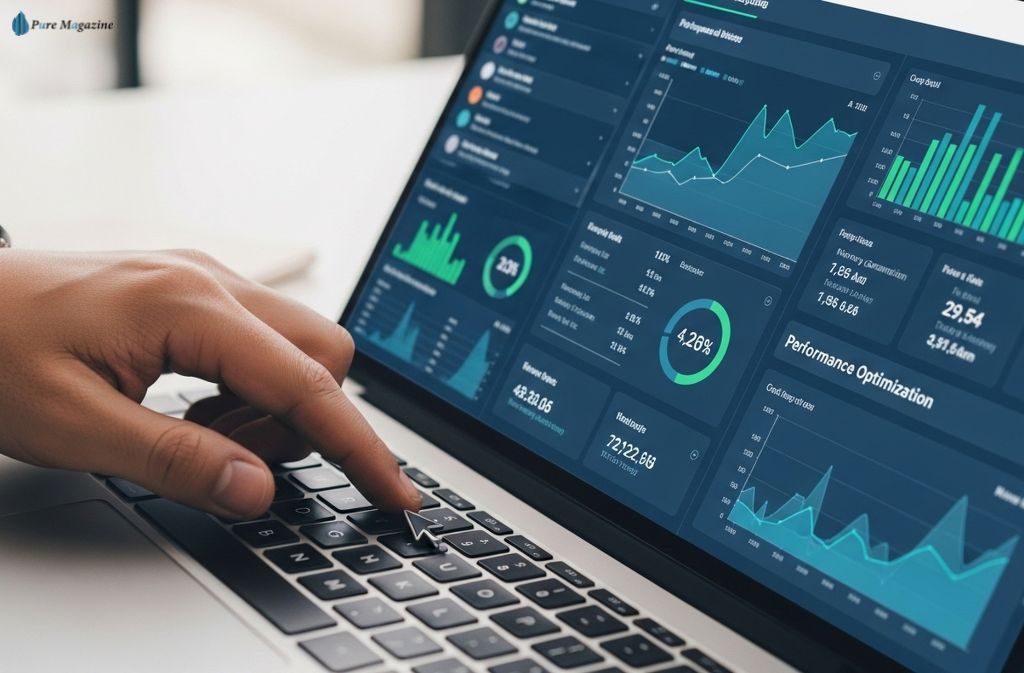
Business visibility on digital maps has become a central factor in how customers choose services nearby. Restaurants, clinics, retail stores and service providers rely on accurate listings to appear trustworthy and accessible. Manually reviewing hundreds of listings across different locations takes time and often leads to missed details. A Google Maps Scraper helps convert publicly visible listing information into structured records that can be reviewed calmly and logically. This approach supports research planning and decision making without relying on assumptions.
How a Google Maps Scraper Works
A Google Maps Scraper collects public listing details such as business name category address phone number rating review count and operating hours. Through Google Maps data extraction this information is arranged into tables or spreadsheets for easier reading. Instead of opening listings one by one teams can compare many businesses at once. This structure reduces repetition and supports a consistent research process.
Importance of Structured Listing Information
Unstructured information often leads to confusion and wasted effort. Local business data scraping allows researchers to group listing details in one place. With a Google business listings scraper analysts can quickly notice patterns across categories and locations. Seeing similar businesses side by side reveals gaps, opportunities and areas of heavy competition. This clarity supports better planning and more confident evaluation.
Location Based Market Research Benefits
Every location has unique demand patterns. Location based market research helps businesses understand how services perform in specific areas. A Google Maps Scraper highlights where listings are dense and where options are limited. This insight supports decisions about expansion relocation or targeted promotion. Instead of relying on guesswork teams work with visible signals drawn directly from map listings.
Competitive Visibility and Positioning
Customers often compare ratings, photos and reviews before choosing a business. A Google Maps Scraper helps companies see how competitors present themselves. Through Google Maps data extraction teams can review average ratings, review volume and category usage across similar businesses. This comparison helps identify realistic steps to improve listing quality and public perception.
Analyzing Customer Feedback Trends
Reviews reflect customer experience at scale. Reading them one by one provides limited perspective. Local business data scraping allows review related information to be studied collectively. A Google Maps Scraper supports this process by gathering review counts and rating patterns across many listings. These trends reveal common strengths and recurring concerns that matter to customers.
Supporting Sales and Outreach Teams
Sales teams work better when outreach is focused. Maps lead generation software paired with listing data helps identify businesses that actively maintain their profiles. A Google Maps Scraper supports this by highlighting listings with visible activity, consistent information and customer engagement. Outreach then becomes more relevant and respectful of time on both sides.
Planning New Business Locations
Opening a new location requires knowledge of nearby competition and customer demand. Location based market research supported by map listings reduces uncertainty. A Google Maps Scraper shows how many similar businesses operate in an area and how customers respond to them. This view supports realistic planning and smarter investment decisions.
Collaboration Across Departments
Marketing research and sales teams often work with different data sources. A Google Maps Scraper creates a shared reference point. With consistent Google Maps data extraction all teams review the same information. This alignment improves communication and supports coordinated planning without confusion.
Responsible Use of Public Data
Public listings are designed to inform customers. Ethical local business data scraping focuses on analysis rather than misuse. A Google Maps Scraper should be used with respect for accuracy and transparency. Responsible application supports reliable insights and long term research value.
Industry Applications
Many industries rely on local visibility. Healthcare hospitality, real estate education and professional services all benefit from structured listing data. A Google business listings scraper supports research by turning visible information into organized insight that informs planning and evaluation across these sectors.
Choosing a Reliable Tool
Accuracy consistency and clarity matter when collecting listing information. Businesses often prefer solutions that fit into existing workflows without complexity. One option frequently referenced for structured public listing research is Scraper City which supports dependable access to visible business data.
Monitoring Market Changes Over Time
Local markets change as businesses open, close or adjust services. A Google Maps Scraper allows repeated data collection to track these changes. Ongoing location based market research helps teams stay aligned with current conditions rather than outdated impressions.
Long Term Strategic Value
Reliable data supports confident decisions. A Google Maps Scraper turns public listing information into organized insight that teams can trust. Combined with Google Maps data extraction local business data scraping and Maps lead generation software this approach strengthens planning evaluation and growth strategy.
Final Thoughts
A Google Maps Scraper plays a meaningful role in modern local business analysis by transforming scattered listings into structured information. When applied thoughtfully it supports clearer research, stronger comparisons and smarter decisions. Businesses that rely on visible data rather than assumptions position themselves for steady progress based on real local signals.
For more, visit Pure Magazine