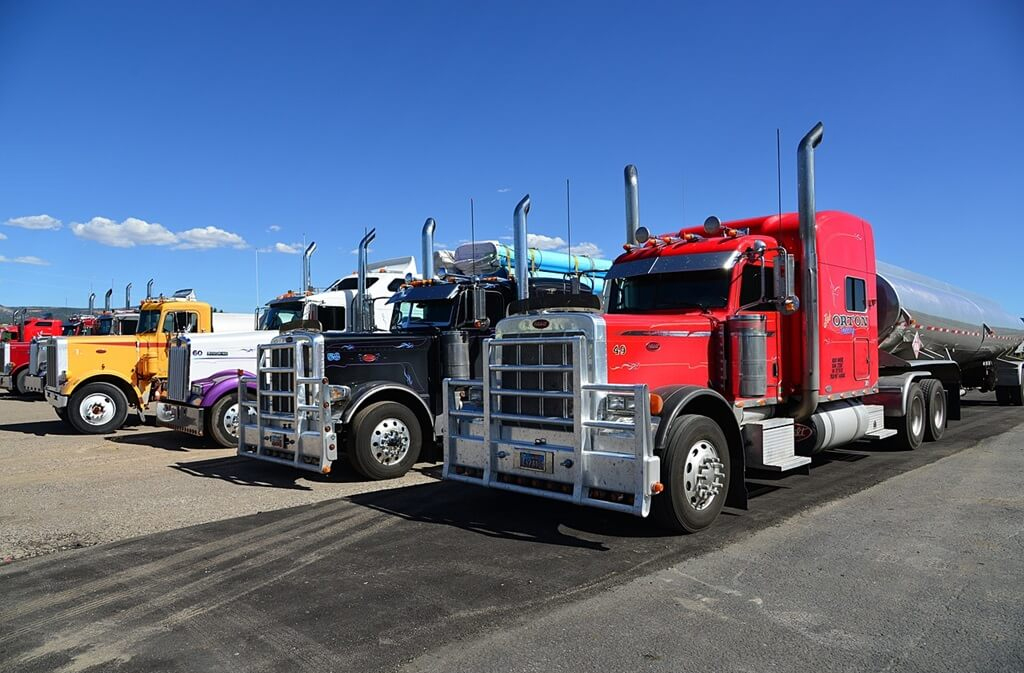
The open road has long been a symbol of freedom, opportunity, and hard work. For those who spend their days and nights hauling goods across vast distances, that road is both a workplace and a second home. Yet, amid the endless miles, one constant provides a sense of reliability and comfort the truck stop.
Far from being just a place to refuel or grab a quick bite, the modern rest hub for drivers has evolved into a vital part of the transportation ecosystem. It supports the logistics industry, provides essential services, and even fosters community among the millions of professional drivers who keep global commerce moving.
This article dives deep into the evolution, importance, and future of these essential establishments — exploring how they’ve transformed from simple fuel stops to full-service centers that keep the entire freight industry running smoothly.
The Origins of Roadside Resting Places
The earliest versions of what we now recognize as driver rest areas emerged alongside the development of the interstate highway system. As trucking grew in importance during the mid-20th century, drivers needed reliable places to stop, eat, rest, and maintain their vehicles.
At first, these stops were modest a few gas pumps, a diner, and perhaps a mechanic’s garage. Over time, however, the trucking industry’s needs became more sophisticated. Longer hauls, stricter schedules, and larger fleets demanded facilities that could cater not only to the trucks themselves but also to the well-being of the people behind the wheel.
As logistics networks expanded, so too did the services offered. Truckers began to rely on these stops as vital support stations, both physically and socially. They became a cornerstone of highway culture, connecting drivers from all walks of life in a shared space of rest and recharge.
Anatomy of a Modern Driver Hub
Today, a full-service rest center for truckers is much more than fuel pumps and parking spaces. These facilities are carefully designed to meet every need a long-haul driver might have while on the road.
1. Fueling and Maintenance Services
At its core, a rest stop remains a fueling hub. But instead of simple gas stations, many now feature advanced diesel pumps, DEF (diesel exhaust fluid) stations, tire repair bays, and maintenance garages. Quick-service mechanics handle everything from oil changes to minor repairs, keeping trucks road-ready with minimal downtime.
2. Food and Amenities
Nutrition and comfort matter, especially for drivers who spend weeks away from home. Most large stops now feature multiple dining options from fast-food chains to sit-down diners offering hearty meals around the clock. Many have added healthier food options to support driver wellness.
3. Rest and Lodging Facilities
A good night’s rest is essential for safety. Many establishments provide designated quiet zones, showers, laundry rooms, and even motel-style accommodations. For those who prefer to rest in their vehicles, secure, well-lit parking lots provide peace of mind.
4. Technology and Connectivity
Modern drivers depend heavily on technology — not just for navigation but also for communication and entertainment. Free Wi-Fi, charging stations, and work lounges are now standard. Some advanced stops even include remote office spaces where drivers can manage paperwork or communicate with dispatchers.
5. Health and Wellness Support
Recognizing the physical toll of long hours on the road, many facilities have added gyms, walking areas, and medical clinics. Access to these services helps combat fatigue, stress, and health issues that are common in the trucking profession.
The Human Element Behind the Wheel
Trucking is more than a job — it’s a lifestyle. Drivers spend countless hours away from their families, navigating unpredictable weather, traffic, and strict deadlines. The truck stop becomes a temporary home — a familiar and welcoming refuge where drivers can unwind, socialize, and reconnect with a sense of normalcy.
These spaces serve as community centers for the trucking world. It’s not unusual to see drivers exchanging stories, offering advice, or simply sharing a meal together. This camaraderie helps combat the isolation that often accompanies long-haul work.
Some stops even host events, driver appreciation days, or charity fundraisers. This sense of belonging strengthens morale and reinforces the cultural identity of the trucking community — one built on resilience, independence, and mutual respect.
Safety and Security on the Road
Driver safety has become a growing concern in the logistics industry. The long hours and unpredictable schedules increase fatigue, making rest not just a convenience but a necessity. A safe and reliable place to park and sleep can make all the difference between a smooth trip and a dangerous one.
To address this, modern facilities are investing heavily in security infrastructure. Surveillance cameras, well-lit parking lots, patrol personnel, and digital check-in systems help ensure both vehicles and drivers remain safe throughout the night.
Technology is also playing a role. Mobile apps now help drivers locate available parking spots in real time, reducing stress and improving route planning. These innovations not only enhance individual safety but also improve the overall efficiency of the freight system.
Environmental Responsibility and Modern Innovation
Sustainability has become a major focus for the transportation industry — and rest facilities are no exception. The demand for eco-friendly practices has inspired new innovations, such as:
- Solar Energy Systems: Reducing reliance on fossil fuels for electricity.
- Electric Charging Stations: Supporting the transition to hybrid and electric trucks.
- Water Recycling Systems: Minimizing waste in restrooms and showers.
- Green Building Materials: Using sustainable design for new facilities.
By adopting these measures, many centers are not only lowering their environmental footprint but also reducing long-term operational costs. It’s a win-win approach that aligns with the trucking industry’s gradual shift toward cleaner technologies.
The Economic Impact of Rest Centers
Beyond their value to individual drivers, rest stops contribute significantly to local and national economies. They create jobs, support regional suppliers, and stimulate tourism. Vendors, maintenance crews, and food service workers all depend on the steady flow of truck traffic to sustain their livelihoods.
For transportation companies, these stops are logistical assets — strategic locations where trucks can refuel, rest, and resume their journeys with maximum efficiency. By offering reliable support services, they reduce downtime, optimize delivery schedules, and help maintain the flow of goods that keeps economies running.
In this way, the humble truck stop is an unsung hero of global commerce. Without it, the supply chain would face far greater challenges in maintaining reliability and speed.
Challenges Facing the Industry
Despite their importance, these facilities face growing challenges. The trucking workforce is evolving, and with it come new expectations and obstacles:
- Parking Shortages: The demand for safe parking often exceeds supply, especially near major highways.
- Rising Operational Costs: Inflation, energy costs, and maintenance expenses put pressure on business owners.
- Technological Transition: Adapting to electric vehicles and automated systems requires major investment.
- Changing Driver Demographics: Younger drivers bring new needs and preferences, demanding modern amenities and digital convenience.
Addressing these issues requires collaboration among private operators, government agencies, and logistics companies. The goal is to ensure that rest facilities remain efficient, accessible, and supportive of both current and future transportation needs.
The Future of Highway Hospitality
The future of rest hubs is being shaped by innovation and adaptability. Smart technology will likely define the next generation of facilities. Imagine parking lots equipped with sensors that guide drivers to available spaces, AI-assisted maintenance systems that detect truck issues before breakdowns occur, and digital kiosks that provide route updates or weather alerts.
As electric and autonomous vehicles become more common, infrastructure will need to evolve again. Charging networks will replace traditional fuel pumps, while automated rest systems may allow trucks to park and recharge themselves.
Yet, no matter how advanced the technology becomes, the heart of the system will remain human. Drivers will always need places to rest, connect, and feel valued. The Truck Stop of tomorrow will blend innovation with hospitality, a seamless combination of high-tech efficiency and old-fashioned comfort.
Final Thoughts
On the surface, it may seem like a simple pit stop, a place to eat, refuel, and get back on the road. But behind the scenes, these establishments play a much deeper role in the world of transportation. They are the beating heart of long-haul logistics, ensuring that both people and goods keep moving safely and efficiently.
From their early beginnings as roadside diners to their modern incarnations as smart, sustainable hubs, rest facilities have continuously adapted to meet the evolving demands of the trucking world. Their story mirrors that of the drivers they serve: resilient, innovative, and indispensable.
As technology advances and travel patterns shift, one thing remains constant the need for reliable support on the open road. Whether it’s a place to rest, repair, or simply share a cup of coffee, the trucker’s home away from home will always hold a special place in the story of modern transportation.
Visit our website: Pure Magazine