


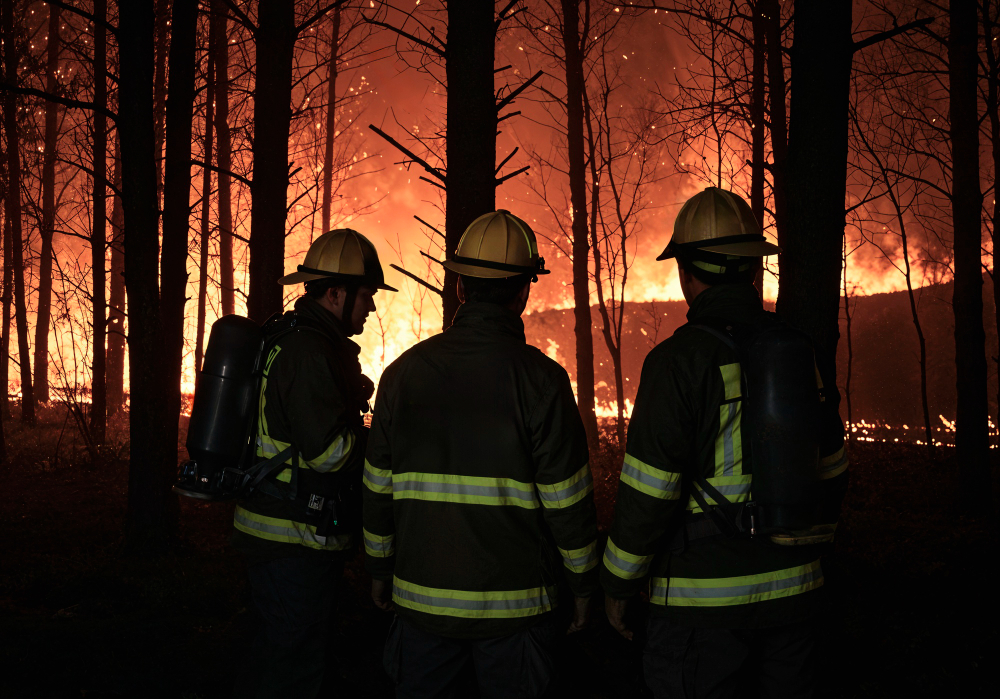
Fire preparedness has evolved far beyond traditional structural response models. Professional fire services now operate within a complex global environment shaped by climate volatility, urban density, energy transition, digital infrastructure, and interconnected supply chains. These forces influence how fires start, spread, and impact communities. As a result, preparedness must be strategic, data-informed, and technologically integrated.
This article explores how professional fire services can strengthen resilience by adopting a modern, global-risk-focused approach to fire preparedness.
The Expanding Nature of Fire Risk
Fire services today confront a risk profile that is broader and more unpredictable than in previous decades.
Climate and Environmental Instability
Rising temperatures, prolonged droughts, and shifting weather patterns have intensified wildfire activity and extended fire seasons. Regions once considered low-risk now experience high-impact events. Fire services must prepare for large-scale, rapidly spreading incidents that strain personnel, equipment, and logistics.
Wildland-urban interface zones in particular require specialized tactics, aerial coordination, and pre-incident planning that accounts for evacuation complexity and infrastructure vulnerability.
Urbanization and Infrastructure Complexity
High-density developments, mixed-use buildings, and vertical expansion create intricate fire environments. Modern buildings integrate advanced electrical systems, battery storage units, renewable energy technologies, and automated processes. These systems introduce new ignition sources and complicate suppression efforts.
Preparedness now demands deeper technical knowledge of emerging construction materials, lithium-ion battery risks, and energy storage hazards.
Interconnected Global Systems
Industrial facilities and logistics hubs are embedded within global supply chains. A single fire can disrupt regional economies and international trade. Professional fire services must understand the potential for cascading operational impacts and coordinate with business continuity planners to mitigate broader consequences.
Reframing Preparedness for Professional Fire Services
A modern preparedness strategy goes beyond response readiness. It integrates prevention, intelligence, interoperability, and resilience.
1. Dynamic Risk Intelligence
Traditional fire risk assessments often rely on periodic reviews. Modern fire services require real-time intelligence.
This includes:
- Geographic risk mapping supported by environmental data
- Predictive modelling for weather-driven fire conditions
- Analysis of incident trends and infrastructure vulnerabilities
Dynamic intelligence supports proactive deployment planning and resource staging before peak-risk periods.
2. Integrated Detection and Monitoring Systems
Early detection remains one of the most powerful tools in limiting fire spread. Modern professional fire services increasingly rely on networked detection technologies and remote monitoring solutions that provide real-time alerts.
Partnering with trusted providers such as LifeSafe Technologies enables access to certified professional-grade fire safety systems designed for complex commercial and industrial environments.
Integrated communication platforms allow fire services to share data across command units, improving situational awareness and decision-making speed.
3. Advanced Operational Training
Training must evolve alongside emerging risk factors.
Professional development programs should include:
- Wildland-urban interface strategy
- High-rise command and vertical rescue operations
- Battery storage and alternative energy for fire response
- Hazardous material containment
- Mass evacuation management
Simulation-based learning, digital modelling, and scenario planning enhance readiness without exposing personnel to unnecessary operational risk.
4. Interagency Coordination and Cross-Sector Partnerships
Modern emergencies often involve multiple stakeholders. Effective preparedness relies on established relationships with:
- Local authorities and emergency management agencies
- Infrastructure and utility providers
- Healthcare systems
- Industrial operators
Joint exercises and shared protocols strengthen interoperability and reduce confusion during multi-agency incidents.
5. Operational Resilience and Continuity Planning
Preparedness also requires ensuring that fire services themselves remain operational during sustained or concurrent events.
Key resilience measures include:
- Redundant communication networks
- Backup power systems
- Flexible deployment structures
- Workforce wellbeing planning during prolonged incidents
A resilient fire service maintains continuity even under extended strain.
6. Data-Driven Evaluation and Improvement
Professional fire services generate extensive operational data. When analyzed effectively, this data supports:
- Improved resource allocation
- Identification of emerging hazard patterns
- Refinement of tactical procedures
- Evidence-based funding requests
Continuous evaluation ensures preparedness strategies evolve with changing global conditions.
Community Engagement as a Force Multiplier
Modern preparedness recognizes that resilience is collective. Fire services benefit from strengthening public awareness and encouraging responsible risk management among businesses and residents.
Community-focused initiatives such as public education campaigns, risk audits, and collaborative fire planning enhance overall safety and reduce demand on emergency response systems.
For more, visit Pure Magazine