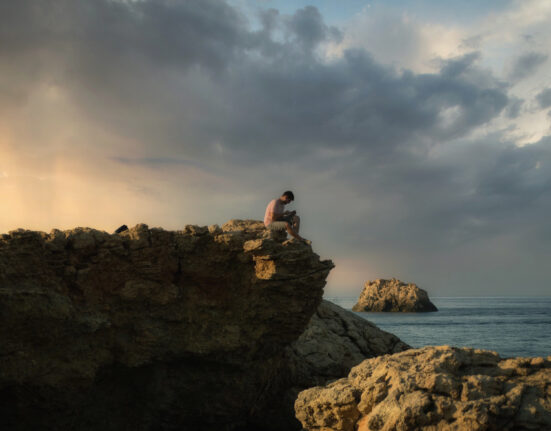
The ground in Iceland does not appear entirely settled. It looks paused. Steam rises, then seems to reconsider. Moss covers lava without softening its edges completely. Water collects in shallow depressions that reflect sky for a moment and then fracture under wind.
There are stretches where the air feels newly formed. Thin, metallic, almost unfinished. The horizon does not behave predictably. It widens, then seems to tilt slightly, then returns to level. Nothing announces change, yet everything feels slightly in motion.
You stand still and still feel movement.
Where the Road Loops Back on Itself
The Golden Circle does not unfold in a straight line. It circles, doubles back, widens unexpectedly. A geyser exhales and then retreats into silence. Minutes pass. The landscape resumes its quiet posture.
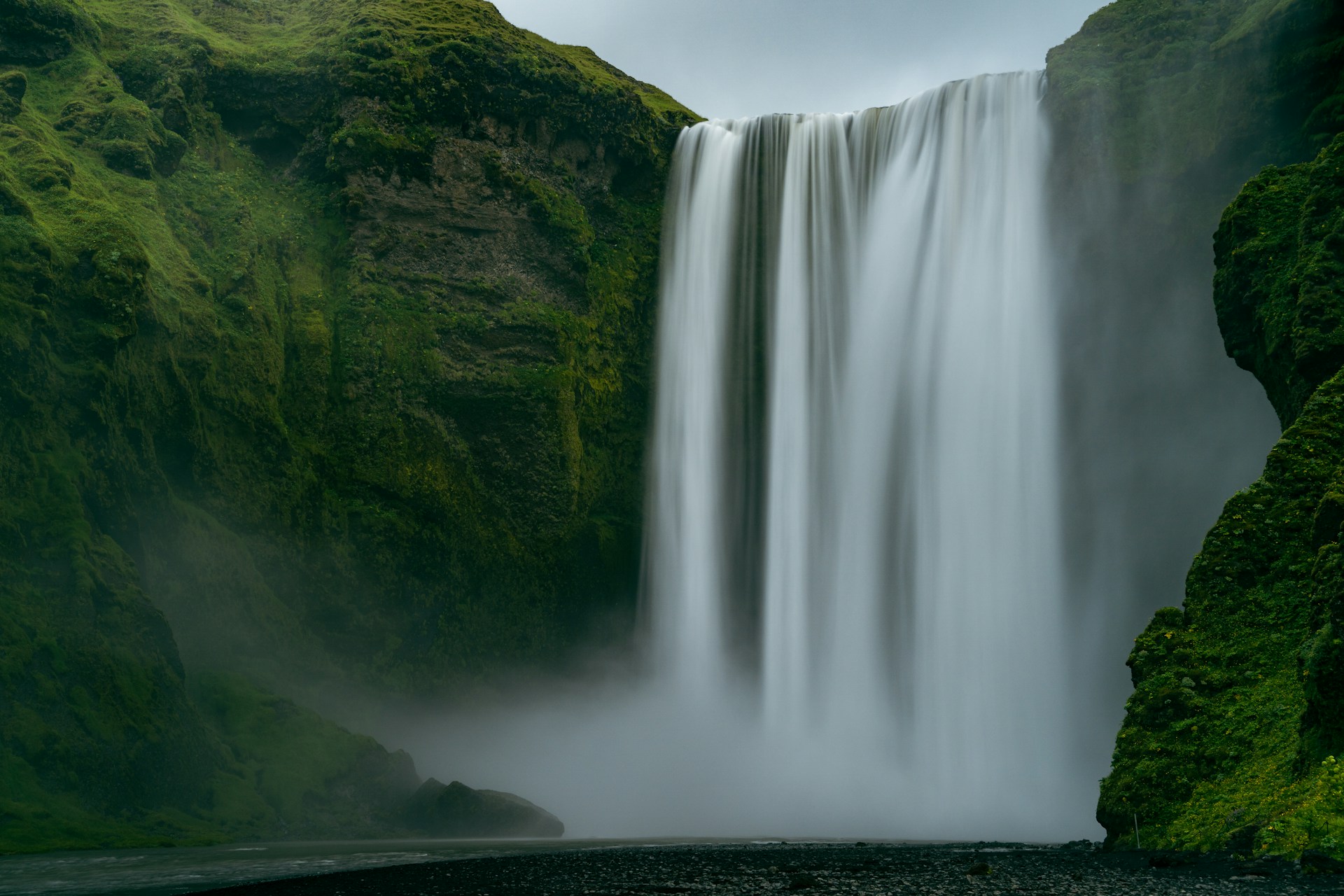
People move through these routes in patterns often shaped by Iceland tours, though the land itself does not seem aware of sequence. Basalt columns appear without preparation. Water spills over stone without climax. You leave one site and feel as though you are still within it.
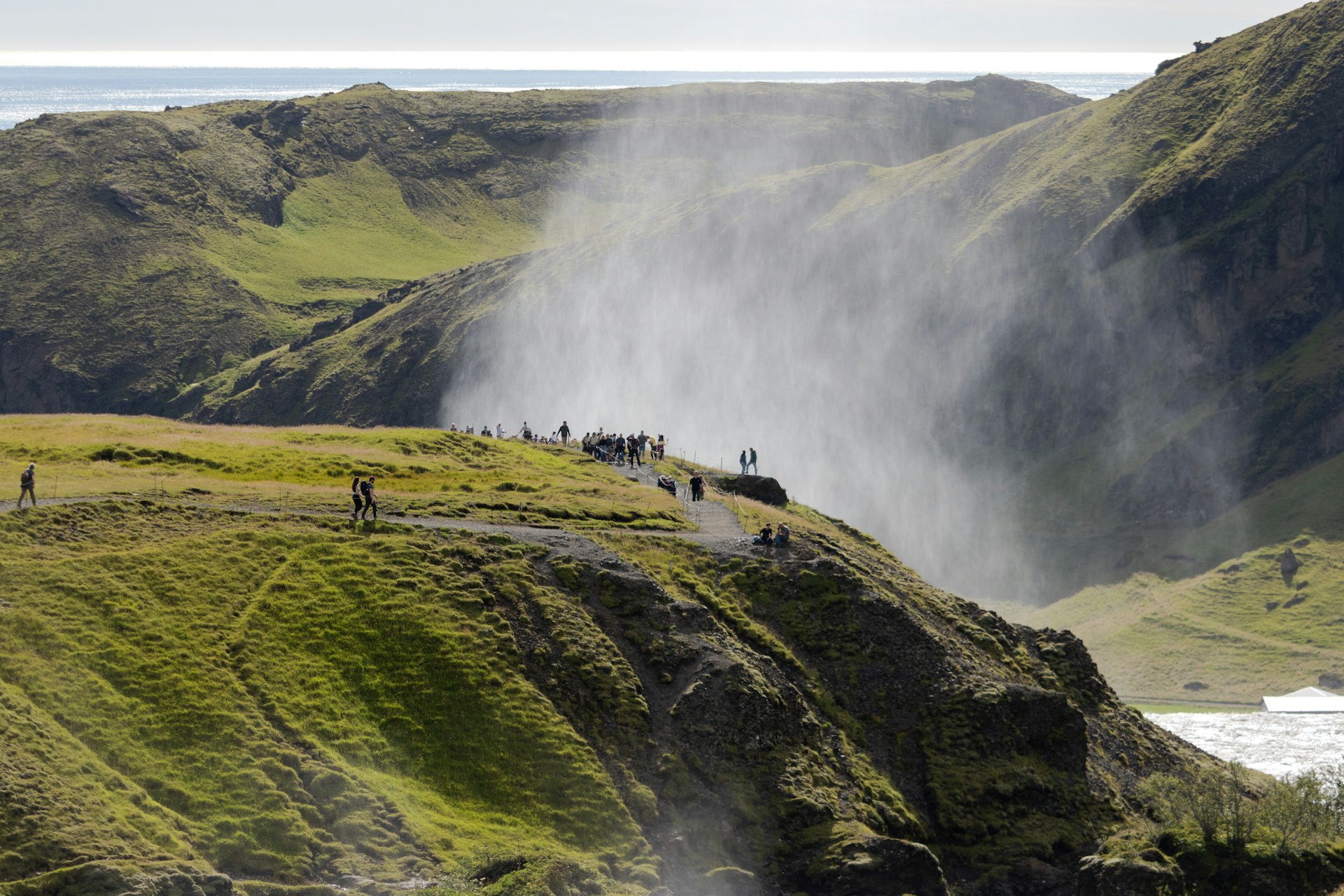
Gravel shifts underfoot. Steam thins before becoming visible. Even photographs seem slightly misaligned with what you remember.
Hours That Do Not End
Further north — or sometimes simply further from town — the light lingers in a way that feels detached from clocks. In regions that echo the extended brightness associated with Firebird tours to Lapland, evening becomes a suggestion rather than a conclusion.
In Iceland, it happens quietly. The sun lowers but does not vanish. Hills remain outlined. Shadows extend but refuse to deepen fully. You glance at the time and feel unconvinced by it.
There is no distinct boundary between late and early. Just continuity.
Surfaces That Refuse Definition
The earth warms from below in places you do not expect. A patch of ground emits heat. A few metres away, frost remains in shade. Water moves through channels that seem newly cut, though they are not new.
Nothing resolves into opposition. Snow does not cancel steam. Moss does not erase lava. The land feels layered rather than divided.
Wind continues. It rarely pauses long enough to be noticed as separate from the terrain itself.
The Open That Does Not Close
Later, memory resists assembling a route. You recall fragments — a plume dissolving before it fully formed, a road curving without destination, a sky that never quite dimmed.
The sense of place becomes less about sites and more about sensation. Air moving unpredictably. Light hovering at angles that feel unfinished. Ground that seems both solid and provisional.
And somewhere within that expanse — without marker or milestone — the landscape continues adjusting itself quietly, never fully erupting, never fully resting, simply extending outward beneath a sky that hesitates to darken.
The Quiet That Outlasts the View
After a while, it is not the geysers or the distant ice that remain most clearly, but the intervals between them — the stretches of road where nothing dramatic occurs, the pauses where wind replaces sound. The land seems to continue even when you are no longer looking at it. Steam thins. Light refuses to collapse into night. Gravel shifts slightly underfoot. And long after leaving, the impression persists that the landscape never concluded its gesture, only suspended it mid-motion.
For more, visit Pure Magazine