


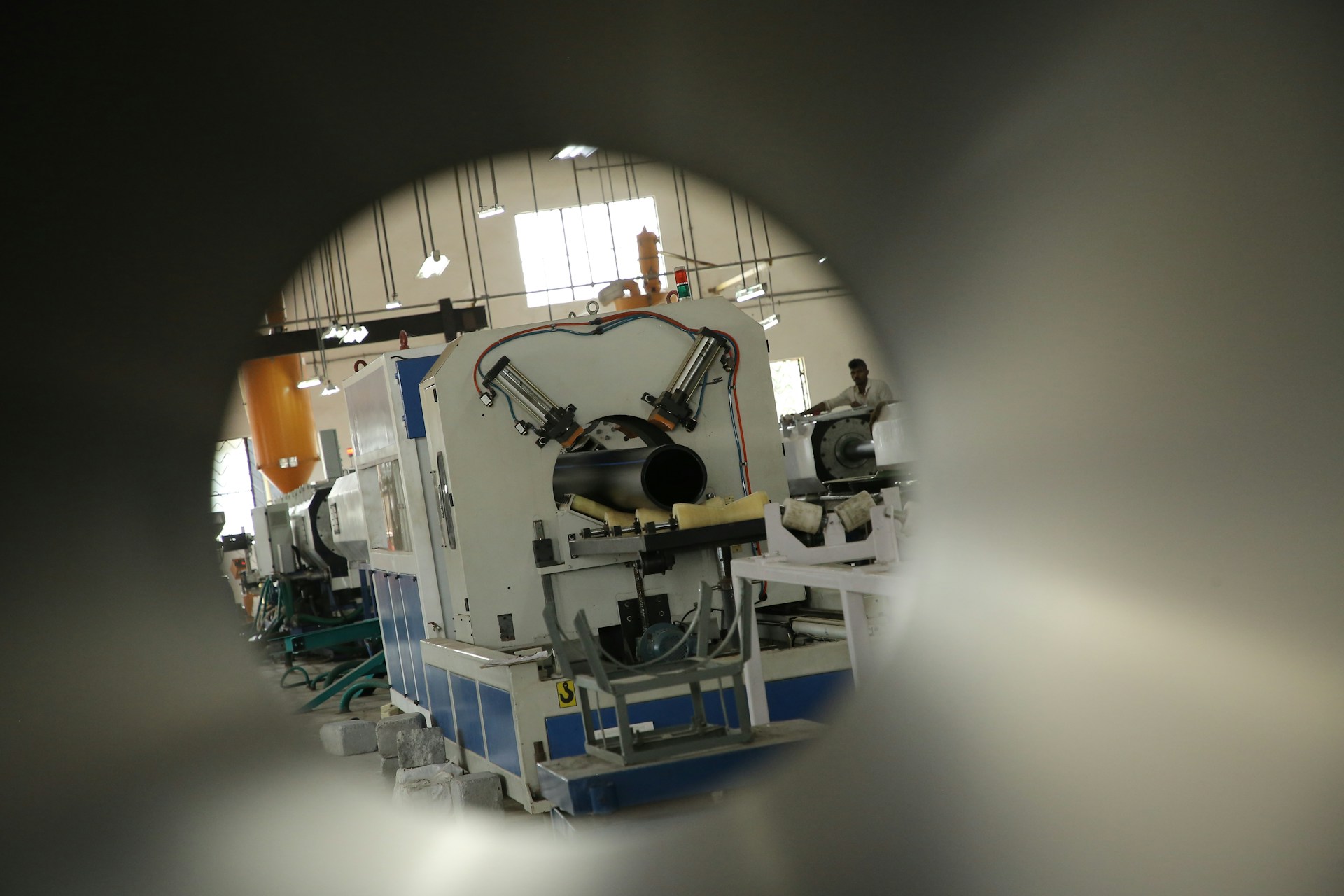
Plastic is everywhere: in the cars you drive, the gadgets you use, and even the packaging that keeps your food fresh. Once hailed as a miracle material, it quickly turned into a curse. It’s all in the statistics:
- 400 million tons of plastic are generated annually, and this number is projected to triple by 2060;
- About 9% of plastic generated has been recycled, while the rest has been burned, buried or ended up polluting the planet;
- About 11 million tonnes of plastic end up in the ocean annually (that means people are dumping 2,000 garbage trucks with plastic into the rivers, oceans, and lakes every day);
- By 2050, there could be more plastic than fish in the sea.
The thing is, plastic manufacturing remains crucial in modern life, but as shown by these stats, it’s also threatening our world. The good news? Things are shifting in the industry thanks to advancements in tech and sustainable practices, painting a brighter picture for the future.
The evolving landscape of plastic production: Key trends reshaping the industry
Plastic manufacturing is undergoing a remarkable shift to say the least. Despite growing environmental concerns, the demand for plastics shows no signs of slowing down. In the end, this material does deserve to get credit for its properties: it’s durable, lightweight, and versatile, which is what makes it indispensable across many sectors.
But at the same time, this continued demand increases pressure on manufacturers to take responsibility for how they handle their plastic production. The challenge is clear: how can they meet rising global demand while reducing their carbon footprint? The answer lies in rethinking how plastics are made, used and recycled.
Here are some notable shifts in the industry:
- Development of biodegradable plastics. Traditional plastics are harmful to the environment because they linger in it for centuries, but alternatives such as biodegradable packaging materials are completely changing that. These materials are designed to break down naturally under specific circumstances. The result? Less long-term waste and pollution.
- Advanced recycling technologies. Recycling is now moving beyond traditional mechanical approaches: for instance, chemical processes break plastics down to their molecular level, ensuring high-quality reuse, while enzymatic processes offer faster and more efficient degradation of the plastics, reducing reliance on virgin materials and improving the usage of recycled plastic products. Thanks to regulatory support and growing investments, these technologies are only scaling up, and manufacturers are embracing closed-loop systems to keep plastics longer in circulation.
- Adoption of plant–based packaging materials. We are now witnessing a shift away from petroleum-derived plastics, with plant-based packaging emerging as a game-changing solution. These materials are made from renewable resources, such as cornstarch, sugarcane, and algae, so they have a lower carbon footprint and reduce reliance on non-renewable resources.
Innovative processes and technologies in plastic manufacturing
Manufacturers are making the most out of technologies and using their creative thinking skills to find smarter ways to produce materials we rely on every day. Some of the most innovative techniques used in plastic manufacturing include the following:
Injection moulding
This is a versatile process in plastic manufacturing, capable of utilizing various materials to meet a range of application requirements. It essentially injects molten material into a mould to produce parts. The process starts with the melting of plastic pellets, which are further injected into a mould cavity that’s pre-designed, and after the materials fill the cavity, it cools and solidifies, creating the final product.
Injection moulding for large plastic products offers consistent quality, which is why it’s so appreciated and widely used in manufacturing. It also has a high level of repeatability and creates complex geometries and intricate designs, which would be impossible to achieve using other manufacturing methods. But can injection moulding be sustainable? Yes, as long as manufacturers utilize recycled and bio-based materials and employ energy-efficient machinery.
A great example comes from HSV TMP (https://www.hsv-tmp.com/), an industry expert that uses solar and biomass and incorporates recycled materials whenever possible in the injection moulding process, demonstrating that plastic manufacturing and sustainability can co-exist. In the future, we can expect injection moulding to become even smarter, and it’s all due to 4.0 technologies such as IoT and AI, which enable predictive maintenance, real-time monitoring, and precise control. The impact could be so profound that it could change forever the way we think about plastic manufacturing.
3D printing
3D printing is another powerful tool in the journey towards sustainable manufacturing of plastic products. Why is it such a game-changer? First, companies can use it to produce components locally. In other words, parts that once took weeks to ship from factories abroad can be produced on demand in only a few hours or days. The result? Lower transportation costs and reduced carbon emissions.
But there’s more about 3D printing that makes it a unique and reliable solution. Manufacturers can leverage the flexibility of this process to be more responsive to any changes in customer demand, and rather than placing bulk orders to make global manufacturing cost-effective, they can produce smaller batches locally. This means there’s no risk of overproduction and they can at the same time meet fluctuating market trends effortlessly.
A new era for the plastic manufacturing industry
We may need plastic, but we also need change because the planet is clearly dying. The good news? The plastic manufacturing industry is standing on the brink of transformation. Smarter technologies are emerging so fast that we can barely keep up with them, and sustainable materials are becoming the new standard rather than the exception.
But the thing about transformation is that it never happens by itself. Every choice matters, from manufacturers’ adoption of greener processes to policymakers pushing for innovation and accountability. The time to act is now, so that we can ensure plastic continues to serve humanity without destroying our most precious home: planet Earth.
For more, visit Pure Magazine