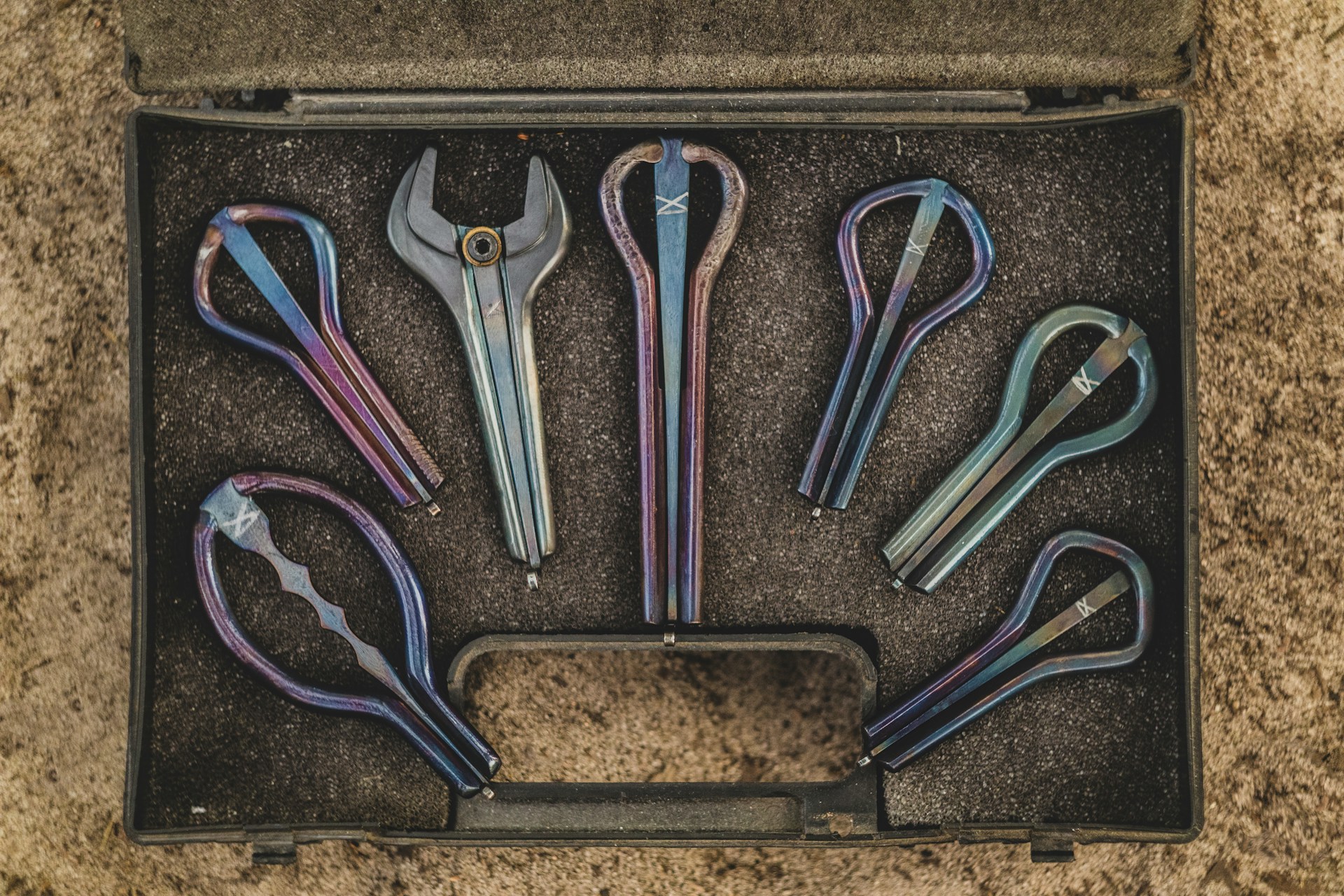
Farming is a balance of skill, timing, and the right tools. While experience and hard work drive success, having a dependable toolkit can make daily operations smoother, safer, and more productive. Whether managing a small family farm or overseeing acres of crops and livestock, the essentials remain largely the same. A well-prepared farmer is equipped not just to work the land, but to adapt to challenges, seasons, and growth opportunities.
Hand Tools: The Foundation of Farm Work
Despite modern advancements, hand tools remain at the heart of everyday farming. Shovels, hoes, rakes, spades, and pruning shears are indispensable for soil preparation, planting, weeding, and maintenance tasks. Quality matters here—durable materials and ergonomic designs reduce fatigue and last through years of use. Keeping tools clean, sharp, and properly stored ensures efficiency and prevents unnecessary delays during busy periods.
Machinery and Power Equipment
As farm size and workload increase, machinery becomes essential. Tractors, tillers, seeders, and mowers dramatically reduce labor and time spent on repetitive tasks. Choosing the right equipment depends on farm scale, terrain, and crop type. Regular maintenance—checking fluids, replacing worn parts, and following service schedules—keeps machines running smoothly and minimizes downtime. Many farmers also rely on trusted suppliers, such as outdoor power equipment in Midvale, to source reliable tools that match local farming needs.
Soil and Crop Management Supplies
Healthy soil is the backbone of productive farming. Essential supplies include soil testing kits, fertilizers, compost, mulch, and irrigation systems. Testing soil regularly helps farmers understand nutrient levels and make informed decisions about amendments. Proper irrigation tools—drip systems, hoses, or sprinklers—ensure crops receive consistent water without waste. These tools support sustainable practices while boosting yields and protecting long-term soil health.
Livestock Care Essentials
For farmers raising animals, livestock supplies are just as critical as crop tools. Feeding equipment, water troughs, fencing materials, and shelter structures form the core of daily animal care. Health-related items like grooming tools, first-aid kits, and medications help maintain animal well-being and prevent small issues from becoming costly problems. Clean, organized livestock areas also contribute to productivity and reduce stress for both animals and farmers.
Storage and Organization Solutions
Efficient storage keeps farm operations running smoothly. Grain bins, silos, cold storage units, and secure sheds protect harvested crops, feed, and equipment from weather damage and pests. Smaller storage solutions—such as labeled containers and shelving—help organize seeds, tools, and spare parts. When everything has a place, farmers save time and reduce losses caused by spoilage or misplacement.
Safety Gear and Protective Equipment
Farming is physically demanding and often involves heavy machinery, sharp tools, and unpredictable conditions. Safety gear is not optional—it’s essential. Gloves, boots, helmets, eye protection, and hearing protection help prevent injuries. Reflective clothing and proper lighting are especially important during early mornings or late evenings. Investing in safety equipment protects the most valuable asset on the farm: the farmer.
Record-Keeping and Technology Tools
Modern farming benefits greatly from good record-keeping. Notebooks, farm management software, or mobile apps help track planting schedules, expenses, yields, and equipment maintenance. These tools support better planning, budgeting, and decision-making. Technology doesn’t replace traditional knowledge—it enhances it, allowing farmers to work smarter while preserving proven practices.
Maintenance and Repair Basics
Breakdowns happen, often at the worst possible time. A basic repair kit with wrenches, screwdrivers, lubricants, spare belts, and filters can prevent small issues from halting operations. Knowing how to perform minor repairs saves time and money while keeping the farm running during critical periods like planting or harvest.
Building a Toolkit That Grows With You
The farmer’s toolkit isn’t static—it evolves with experience, farm expansion, and changing needs. Starting with reliable basics and gradually adding specialized tools ensures every investment serves a clear purpose. By combining practical equipment, safety measures, and smart planning, farmers can handle daily operations efficiently and prepare confidently for whatever the season brings.
A strong toolkit doesn’t just support the work—it supports the farmer’s success, day after day.
For more, visit Pure Magazine