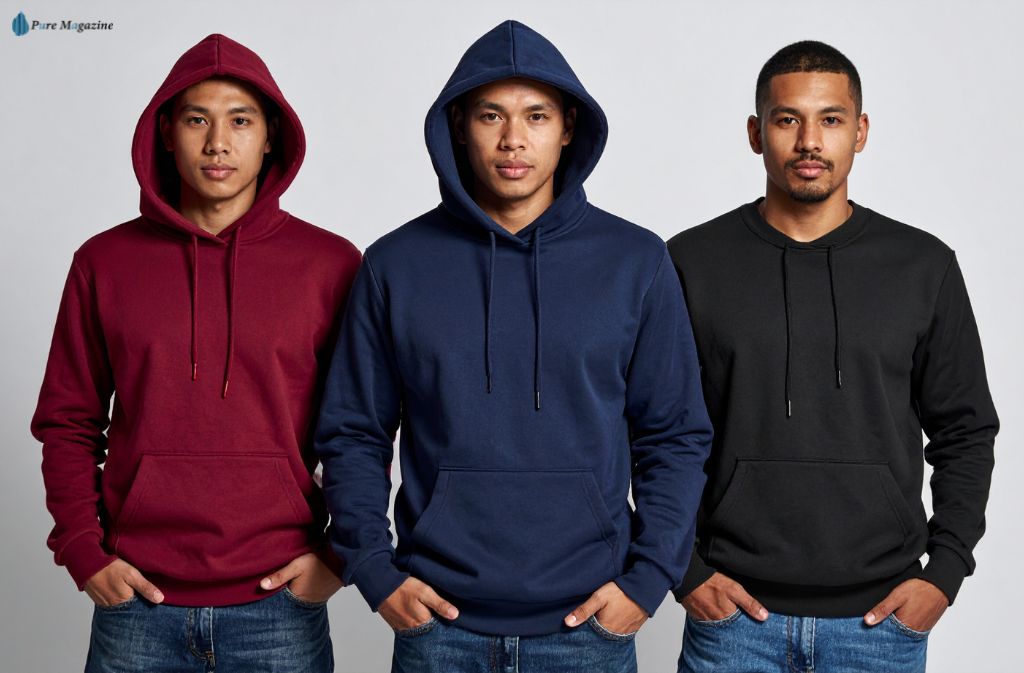
The retail landscape continues to evolve at an unprecedented pace, with trends emerging and fading within increasingly compressed timeframes. Yet amidst this constant flux, certain garments maintain their commercial relevance through sheer practicality and versatility. Men’s plain hoodies exemplify this category of reliable retail staples, offering retailers a foundation upon which sustainable business strategies can be built.
Understanding why these garments succeed requires examining both their functional attributes and their cultural positioning. Unlike fashion items that depend on novelty or seasonal relevance, plain hoodies address fundamental wardrobe needs that transcend temporary trends. This inherent utility ensures consistent demand across diverse customer segments, making them valuable inventory investments for retailers operating in competitive markets.
The absence of graphics, logos, or decorative elements might initially seem limiting from a commercial perspective. However, this simplicity actually enhances their market appeal. Customers seeking versatile basics appreciate garments that coordinate effortlessly with existing wardrobes, whilst those interested in personalisation view plain hoodies as blank canvases awaiting individual expression. This dual appeal creates broader market opportunities than more specifically designed alternatives could achieve.
Understanding Male Consumer Preferences
Men’s approach to clothing purchases often differs significantly from patterns observed in other demographic segments. Research consistently demonstrates that many male shoppers prioritise efficiency, seeking quality basics that simplify wardrobe decisions rather than constantly refreshing their collections with trendy pieces. Plain hoodies align perfectly with this preference, offering reliable options that require minimal styling consideration.
The psychological comfort associated with familiar garments also influences purchasing behaviour. Many men develop preferences for specific hoodie fits, fabrics, or weights, then repeatedly purchase similar items as existing ones wear out. This loyalty to proven products creates predictable sales patterns that benefit retailers maintaining consistent stock of quality basics.
Retailers recognising these preferences can position plain hoodies for men as investment pieces rather than disposable fashion items. Emphasising durability, fabric quality, and construction standards appeals to customers who calculate value over extended wearing periods rather than focusing solely on initial purchase price. This approach justifies premium pricing whilst building customer relationships based on trust and product performance.
Fabric Considerations and Quality Standards
Material composition significantly impacts both customer satisfaction and garment longevity. Cotton remains the traditional choice for hoodie construction, valued for its breathability, softness, and natural properties. However, modern manufacturing increasingly incorporates cotton blends that enhance performance characteristics whilst maintaining comfort. Polyester additions improve durability and shape retention, whilst also facilitating moisture management during physical activity.
The fabric weight measurement, typically expressed in grams per square metre, provides concrete quality indicators that educated customers use when evaluating options. Lightweight hoodies around 240-280 GSM suit layering and milder weather, whilst midweight options between 300-350 GSM offer greater warmth and a substantial feel. Heavy constructions exceeding 400 GSM appeal to customers seeking maximum durability and cold-weather protection.
Fleece construction methods also influence garment characteristics. Brushed fleece interiors provide enhanced softness and warmth retention, creating luxurious tactile experiences that justify higher price points. French terry alternatives offer lighter weight with adequate warmth, making them suitable for year-round wear in moderate climates. According to research published by the Textile Research Journal, fabric structure and composition directly correlate with thermal comfort properties and durability outcomes. Understanding these technical distinctions enables retailers to educate customers effectively, positioning themselves as knowledgeable advisors rather than mere product distributors.
Fit Evolution and Contemporary Expectations
Men’s fashion has witnessed significant shifts in preferred silhouettes over recent decades. The oversized, baggy fits popular during certain eras have given way to more tailored approaches that acknowledge body shape without excessive restriction. Modern plain hoodies typically feature streamlined cuts that provide comfort whilst maintaining contemporary aesthetic standards.
However, fit preferences vary considerably across age groups and style orientations. Younger customers often favour slightly relaxed fits that allow layering and project casual confidence, whilst older demographics may prefer closer cuts that appear more refined. Successful retailers maintain inventory spanning this spectrum, ensuring that diverse customers find options matching their expectations.
Sizing consistency presents ongoing challenges in apparel retail, with significant variation between manufacturers even when labelled identically. Retailers building reputations for reliable sizing reduce returns and build customer confidence. Maintaining relationships with suppliers who adhere to consistent size specifications proves valuable for establishing this reliability.
Colour Strategy and Market Positioning
While the term “plain” suggests simplicity, strategic colour selection remains crucial for commercial success. Core neutrals form the foundation of any viable collection. Black hoodies appeal to customers seeking versatile pieces that coordinate with virtually any outfit, whilst grey options in various shades from charcoal to heather provide softer alternatives. Navy blue occupies a middle ground, offering subtle colour whilst maintaining a professional appearance suitable for diverse contexts.
Beyond these essentials, expanded colour palettes allow retailers to refresh offerings without abandoning the plain aesthetic. Earth tones like olive, tan, and burgundy attract customers seeking understated sophistication, whilst cleaner shades like white or cream appeal to those preferring lighter options. Seasonal colours introduced in limited quantities can generate excitement and urgency without overwhelming core inventory.
Colour psychology influences purchasing decisions more significantly than many retailers recognise. Neutral tones communicate reliability and versatility, making them safe choices for customers building foundational wardrobes. Darker shades often appeal to professional contexts where subtlety matters, whilst lighter options suggest approachability and casual ease.
Construction Details That Matter
Discerning customers evaluate hoodies based on numerous construction elements beyond basic fabric quality. Drawstring materials and attachment methods significantly impact both functionality and durability. Flat drawstrings resist tangling better than round alternatives, whilst metal-tipped ends prevent fraying and facilitate adjustment. These seemingly minor details contribute substantially to overall garment quality and user experience.
Pocket construction also merits attention. Kangaroo-style front pockets should feature adequate depth to secure contents reliably, with reinforced stitching at stress points preventing premature failure. The pocket opening should allow easy hand entry whilst maintaining shape integrity. Side-seam pockets on some designs offer alternative aesthetic and functional characteristics that appeal to different customer preferences.
Hem and cuff ribbing quality determines how well hoodies maintain their shape through repeated wearing and washing. Quality ribbing constructed from durable materials with adequate elasticity retention ensures garments look fresh even after extensive use. Poor ribbing becomes stretched and loses definition quickly, creating shabby appearance that reflects poorly on both product and retailer.
The Customisation Market Opportunity
Plain hoodies represent significant opportunities beyond direct consumer sales. The corporate apparel market has expanded considerably as organisations recognise the value of quality branded merchandise. Companies seeking employee uniforms, promotional items, or corporate gifts increasingly prefer substantial garments that reflect positively on their brands rather than cheap alternatives that quickly deteriorate.
Educational institutions generate substantial demand for customisable hoodies, with students, staff, and alumni purchasing items displaying school affiliation. Sports teams at all levels require durable hoodies suitable for decoration with team identities. Community organisations, charities, and event organisers regularly seek bulk quantities of quality plain hoodies for various purposes.
Retailers positioned to serve this market segment often enjoy superior profit margins compared to standard retail sales. Decoration services, including screen printing, embroidery, and heat transfer vinyl application add substantial value whilst requiring relatively modest equipment investments. Building relationships with institutional clients creates recurring revenue streams that provide business stability alongside consumer sales volatility.
Merchandising and Display Strategies
Effective presentation significantly influences plain hoodie sales despite their basic nature. Displaying garments on forms or mannequins rather than simply folded on shelves allows customers to better visualise fit and silhouette. Pairing hoodies with complementary items demonstrates versatility and encourages multiple-item purchases.
Colour blocking arrangements create visual impact that attracts attention even in busy retail environments. Grouping similar shades together then transitioning through the spectrum provides organised appearance whilst showcasing range. However, maintaining some neutral options at eye level ensures customers seeking specific basics can locate them quickly without extensive searching.
Tactile qualities represent crucial selling points for quality hoodies. Encouraging customers to touch and feel fabrics helps communicate quality standards that photographs or descriptions cannot adequately convey. Staff training emphasising fabric characteristics, construction details, and care requirements enables effective customer guidance that builds confidence and reduces returns.
Pricing Psychology and Value Communication
Plain hoodies occupy various price tiers depending on quality standards and target markets. Budget options serve price-sensitive customers or those seeking disposable seasonal items. Mid-range products balance quality and affordability, appealing to mainstream buyers seeking reliable basics. Premium offerings justify higher prices through superior materials, construction excellence, and lasting durability.
Communicating value effectively requires moving beyond simple price comparisons. Explaining how fabric weight, construction methods, and material choices influence garment performance helps customers understand pricing differentials. Demonstrating durability through warranties or satisfaction guarantees builds confidence in premium-priced items.
Sustainable Considerations
Environmental consciousness increasingly influences purchasing decisions across demographics. Plain hoodies manufactured from organic cotton, recycled polyester, or other sustainable materials appeal to eco-aware customers willing to pay premiums for reduced environmental impact. Transparency regarding supply chains and manufacturing practices builds trust with this growing market segment.
Durability itself represents a sustainability factor often overlooked in discussions of eco-friendly fashion. Quality hoodies lasting multiple years through regular wear provide better environmental profiles than cheaper alternatives requiring frequent replacement. Retailers can position premium plain hoodies as sustainable choices based on longevity rather than solely emphasising material sourcing.
The plain hoodie’s commercial success stems from its ability to meet diverse needs whilst remaining fundamentally uncomplicated. For retailers, these garments offer reliable inventory investments that generate consistent sales across seasons and demographic segments whilst also enabling value-added services through customisation opportunities.
For more, visit Pure Magazine