


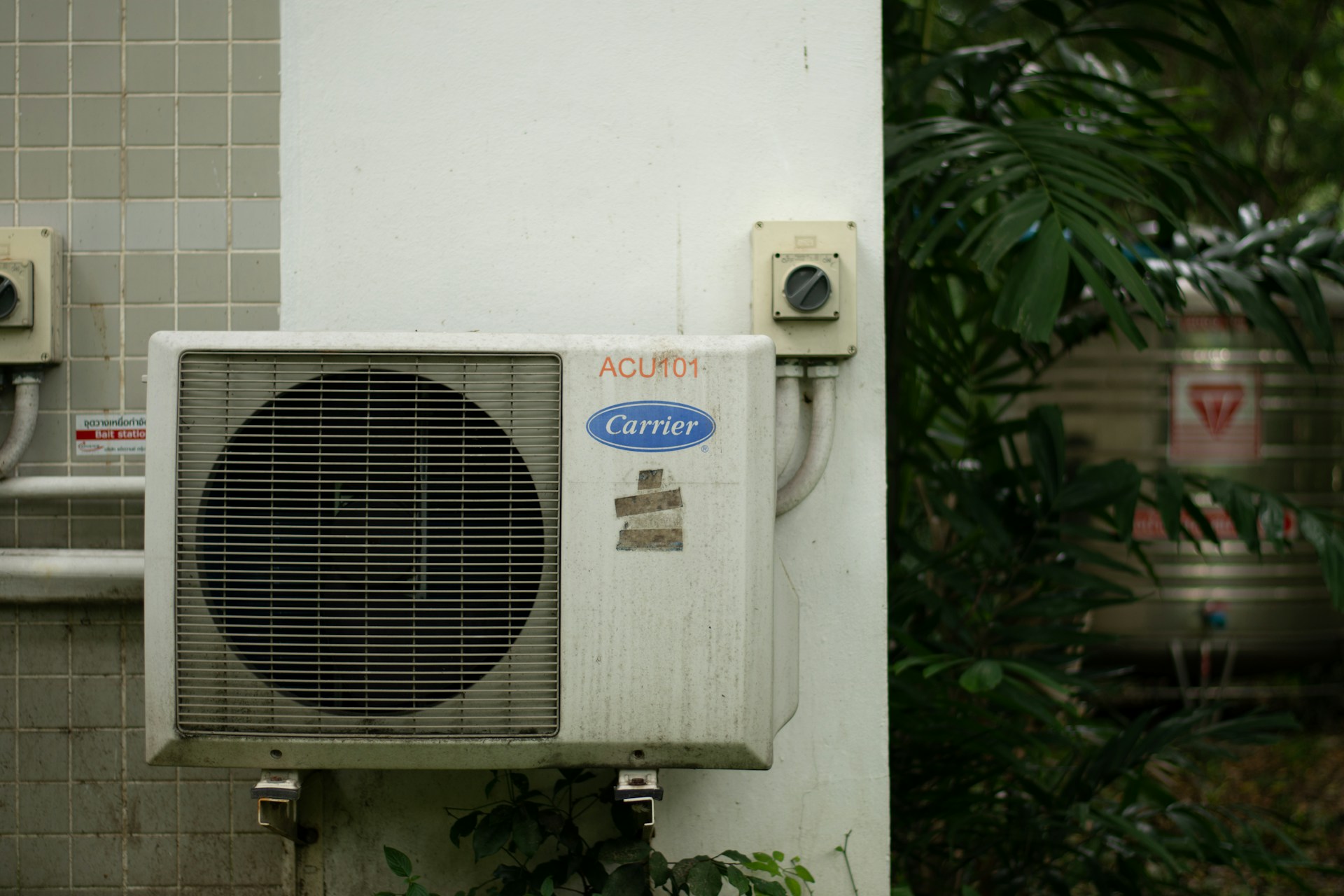
Comfort inside a College Station home depends heavily on how efficiently heating and cooling systems perform throughout the year. With long summers and fluctuating temperatures, energy use can rise quickly when HVAC systems are outdated or poorly installed.
In fact, the energy devoted to heating and cooling buildings accounts for around 35% of all energy consumption, the largest share of any end use. That reality makes energy efficiency more than a preference. It becomes a necessity for long-term comfort and cost control. Choosing the right system and ensuring proper installation can reduce wasted energy while improving daily living conditions.
This guide explains what homeowners should know before committing to HVAC installation College Station, helping ensure smarter decisions and lasting performance.
Why Energy Efficiency Matters for College Station Homes?
College Station’s climate can be extreme. Summers are hot and humid, while winters, though mild, still bring occasional cold snaps. A traditional HVAC system often works harder than necessary, driving up energy bills and causing uneven home temperatures.
Investing in an energy-efficient HVAC system provides:
- Lower Energy Bills: Efficient systems consume less power while maintaining the same level of comfort.
- Longer System Lifespan: Reduced strain on components means fewer repairs and longer service life.
- Enhanced Comfort: Even temperature distribution keeps every room cozy.
- Environmental Benefits: Using less energy reduces your carbon footprint, supporting a greener College Station.
Choosing an efficient system protects your home and improves your family’s daily life. However, you must already be aware of the signs that clearly state when to get a new system.
Signs Your Home Needs a New HVAC System
Before exploring installation, it’s essential to recognize when a system is underperforming. Common signs include:
- Rooms that are consistently too hot or too cold
- Rising energy bills without changes in usage
- Frequent repairs or recurring mechanical issues
- Strange noises or odors from vents
Ignoring these signs can lead to discomfort, higher energy costs, and expensive emergency repairs. Addressing them early ensures a smoother, more cost-effective installation.
Steps to a Successful HVAC Installation in College Station
A stress-free installation requires planning, careful selection, and professional expertise. Here’s how to approach the process:
1. Assess Your Home’s Needs
Every home is unique. Factors like square footage, insulation, and window placement affect HVAC efficiency. A professional assessment ensures the system installed is tailored to your home’s requirements, providing optimal performance.
2. Choose the Right Energy-Efficient System
Energy efficiency isn’t one-size-fits-all. Modern systems offer features like:
- Smart thermostats for precise control
- Zoning options for room-specific comfort
- Quiet operation for peaceful living spaces
- Improved air filtration for healthier indoor air
Prioritize systems that align with your family’s lifestyle, comfort preferences, and long-term energy goals.
3. Hire a Trusted Local Installer
Selecting a reputable HVAC installation company in College Station is critical. Look for:
- Positive customer reviews and testimonials
- Proper licensing and certifications
- Clear communication about timelines and expectations
- A commitment to clean, professional installation
A skilled installer ensures your system works as intended and reduces the risk of future problems.
4. Prepare Your Home for Installation
Simple preparations make installation easier and quicker:
- Clear furniture around HVAC units and vents
- Ensure easy access to electrical panels and utility areas
- Plan for temporary adjustments in home comfort during installation
These steps help installers complete the job efficiently, minimizing disruption to your daily routine.
5. Understand Post-Installation Maintenance
Energy-efficient HVAC systems are designed to last, but proper care is essential. Key maintenance practices include:
- Regular filter replacement
- Seasonal inspections
- Prompt attention to minor issues before they escalate
Following these practices keeps your system running efficiently and extends its lifespan. Up next, let’s explore the common errors to avoid during HVAC installation.
Common Mistakes to Avoid During HVAC Installation
Even small missteps can compromise system performance and comfort. Watch out for:
- Choosing the cheapest system without considering efficiency or features
- Skipping professional consultation or home assessment
- Ignoring proper installation practices or shortcuts
- Delaying routine maintenance after installation
Avoiding these mistakes ensures you enjoy the full benefits of your new energy-efficient system.
Maximizing Energy Efficiency After Installation
Installation is just the beginning. Homeowners can further optimize efficiency through:
- Smart Thermostat Usage: Schedule temperature changes to match your routine and reduce energy waste.
- Sealing Ducts and Windows: Prevents air leaks and improves system performance.
- Zoning Adjustments: Focus heating or cooling only where it’s needed.
- Regular System Monitoring: Stay alert to performance changes to prevent inefficiency.
These strategies work together with your HVAC system to reduce energy costs and enhance home comfort.
The Long-Term Benefits for College Station Homeowners
An energy-efficient HVAC installation offers more than immediate comfort—it protects your investment in the long run. Benefits include:
- Increased Home Value: Buyers prioritize homes with efficient, modern HVAC systems.
- Predictable Energy Costs: Efficient systems reduce seasonal spikes in bills.
- Enhanced Air Quality: Cleaner air reduces allergy triggers and promotes healthier living.
- Peace of Mind: Reliable systems mean fewer emergency repairs and worry-free comfort.
Over time, these advantages make an energy-efficient system one of the smartest home investments you can make.
Choosing the Right Time for HVAC Installation
Timing your installation wisely can save stress and money. Consider:
- Before Seasonal Extremes: Installing before summer heat or winter cold ensures comfort when you need it most.
- During Mild Weather: Easier for installers and reduces temporary disruptions.
- When Budget Allows for Upgrades: Investing in efficiency now prevents higher costs later.
Planning ahead ensures you maximize both comfort and savings.
Final Thoughts
Energy-efficient HVAC installation in College Station is more than a home improvement project. You get a long-term investment in comfort, savings, and peace of mind. By understanding your home’s needs, selecting the right system, hiring trusted professionals, and maintaining your system, you can enjoy a reliably comfortable home year-round.
For College Station homeowners, prioritizing an energy-efficient system is a smart, future-ready choice. Whether you’re upgrading an older system or installing a brand-new one, following this guide will make the process straightforward and stress-free.
Start planning your hvac installation in College Station today, and enjoy a home that’s comfortable, efficient, and worry-free for years to come.
FAQs
1. How long does a typical HVAC installation take in a residential home?
A standard residential HVAC installation usually takes one to three days, depending on system complexity, home size, and ductwork adjustments. Professional installers work efficiently to ensure proper setup while minimizing disruption to daily life.
2. Can an energy-efficient HVAC system lower my monthly utility bills?
Yes. Energy-efficient HVAC systems consume less electricity while maintaining consistent comfort. By reducing energy waste and improving performance, these systems can noticeably lower monthly utility bills, offering long-term savings and a more predictable household budget.
3. How do I know if my current HVAC system needs replacing or just servicing?
Frequent breakdowns, uneven home temperatures, rising energy bills, or unusual noises often signal that replacement is needed. If performance is mostly fine, regular servicing, cleaning, and minor repairs can restore efficiency without a full system replacement.
For more, visit Pure Magazine