


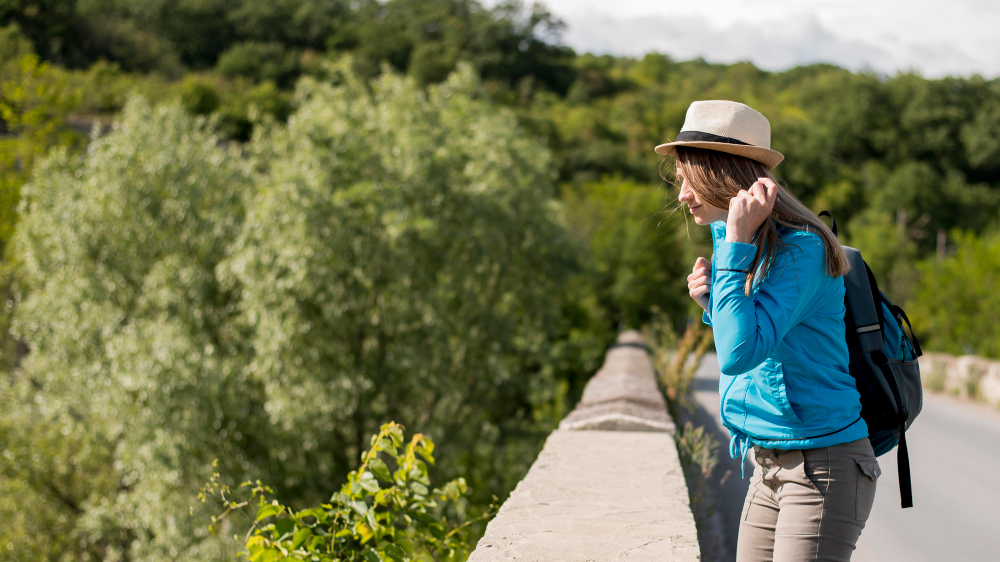
The concept of retirement has evolved from a quiet withdrawal into a vibrant period of global exploration. As the global population of active older adults continues to grow, so does the phenomenon of “silver tourism.” Unlike the frantic, checklist-driven travel of younger generations, seniors are embracing a more intentional, slow-paced approach to seeing the world. This shift is not just about leisure; it is a profound lifestyle choice that has been scientifically linked to increased cognitive function, improved physical mobility, and a more positive outlook on life. Traveling in the later years is no longer an occasional luxury—it is becoming a cornerstone of proactive health management.
The psychological benefits of cultural immersion
One of the most significant challenges in later life is maintaining a sense of novelty and mental stimulation. Routine, while comfortable, can often lead to a cognitive plateau. Traveling disrupts this routine in the best possible way. Navigating a new city, trying to communicate in a different language, and experiencing unfamiliar traditions forces the brain to form new neural connections, a process known as neuroplasticity.
This mental sharpening is complemented by the emotional rewards of social engagement. Whether it is a conversation with a local artisan or sharing a meal with fellow travelers, these interactions combat the isolation that can sometimes accompany aging. For those looking to stay informed about how to balance health and activity in their senior years, specialized platforms like the Polish MagazynSeniora.pl provide a wealth of knowledge. Such resources are essential for modern seniors who want to remain active participants in global culture, offering advice that covers everything from preventive healthcare to social trends that keep the “golden years” truly golden.
Slow travel and physical resilience
Beyond the mind, the body benefits immensely from the physical demands of travel. While the term “active aging” often brings to mind gym sessions, the natural movement involved in a walking tour of a historic European capital or a stroll through a botanical garden is often more sustainable and enjoyable. This low-impact exercise improves cardiovascular health, strengthens bone density, and enhances balance—critical factors in maintaining independence.
The beauty of slow travel is that it allows for a rhythm that respects the body’s limits while still pushing its boundaries. Instead of rushing between multiple cities in a week, senior travelers are increasingly spending extended periods in a single location. This deep dive into a destination allows for a more authentic experience and reduces the stress associated with frequent transit.
To plan these more deliberate and meaningful journeys, having access to comprehensive travel insights is key. For those seeking inspiration for their next adventure, the Podroze.Turystyka.pl portal serves as an excellent guide. By focusing on both popular destinations and hidden gems, such platforms help travelers design itineraries that are rich in experience but manageable in pace. Whether it is finding the most accessible mountain trails or the quietest coastal towns, the right information ensures that the journey is as comfortable as it is exciting.
The therapeutic power of nature and scenery
Modern research into “environmental psychology” suggests that exposure to diverse landscapes—especially greenery and “blue spaces” like oceans or lakes—can significantly lower cortisol levels and improve sleep quality. For seniors, travel often provides the primary opportunity to reconnect with the natural world in a way that urban life does not allow.
From the therapeutic properties of thermal baths in Central Europe to the calming influence of the Mediterranean coast, nature acts as a natural healer. The act of “forest bathing” or simply breathing in fresh sea air has immediate physiological benefits. When combined with the joy of discovery, these environmental factors create a powerful “health cocktail” that can rejuvenate the spirit and provide a much-needed reset for the nervous system.
Bridging generations through shared adventures
Another emerging trend in senior travel is the “multigenerational trip.” More and more grandparents are choosing to take their grandchildren on educational journeys, passing down their values and stories while creating shared memories. These trips bridge the generational gap in a way that few other activities can. The senior brings wisdom, historical context, and a slower pace, while the younger generation brings energy and technological savvy.
This exchange is vital for social cohesion and family bonding. It allows seniors to see the world through younger eyes, while providing the youth with a living link to the past. These journeys often become the most cherished family legacies, far more valuable than any material inheritance. Success in these complex trips depends on careful planning and a deep understanding of the needs of both the very old and the very young—a balance that is expertly navigated by staying tuned into dedicated lifestyle and travel media.
Technology as an enabler of senior mobility
Technology has been a game-changer for older travelers. From translation apps that break down language barriers to GPS systems that prevent getting lost in winding old-town streets, the digital world has made the physical world much more accessible. Wearable health tech also allows seniors (and their families) to monitor their well-being in real-time, providing a safety net that encourages further exploration.
Moreover, the rise of digital communities allows seniors to share their experiences and “vetted” recommendations. A hotel that is particularly elder-friendly or a restaurant with exceptional accessibility is quickly noted and shared within these networks. This collective intelligence makes travel safer and more predictable, allowing seniors to focus on the joy of the experience rather than the stress of the unknown.
Conclusion: a journey without end
The trend of silver tourism is a testament to the enduring human spirit of curiosity. It proves that the desire to see what is “over the next hill” does not fade with age; if anything, it becomes more focused and appreciative. By prioritizing slow travel and staying informed through specialized media, today’s seniors are not just tourists—they are pioneers of a new way of living.
With the support of resources like lifestyle magazines for the elderly and comprehensive travel portals, the world has become smaller and more welcoming. Traveling in the later years is not about escaping life, but about ensuring that life does not escape us. As long as there are new horizons to explore and stories to be told, the journey of healthy aging continues, one beautiful destination at a time.
Author: John Happington is a lifestyle journalist and cultural observer with a passion for slow travel and local traditions. He explores the intersection of psychological wellbeing, culinary arts, and the unique stories that define modern cities. Through his writing, John encourages a mindful approach to exploring the world, emphasizing the importance of humor and authenticity in everyday life.
For more, visit Pure Magazine