


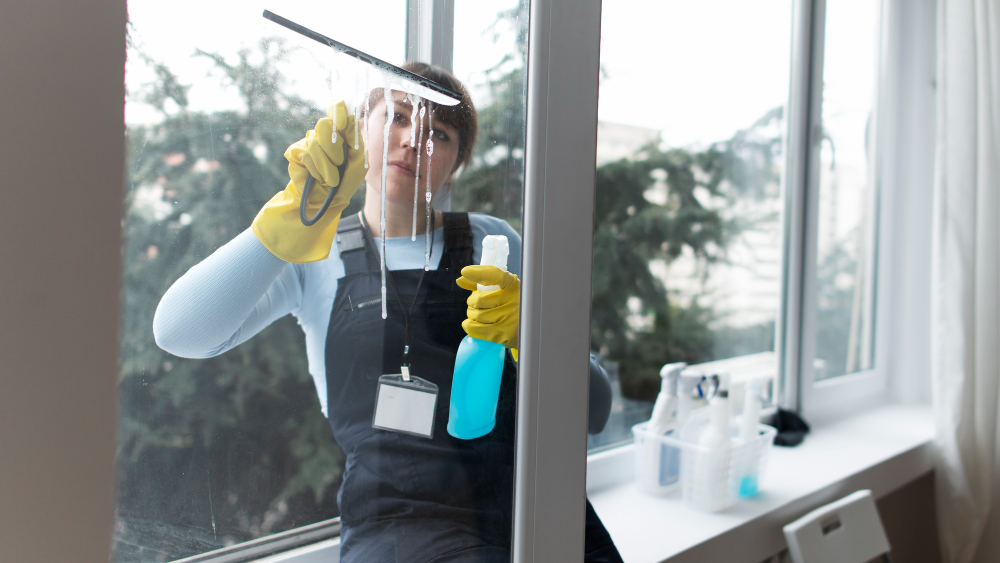
Windows are among the most noticeable features of any home or commercial building. They let in light, offer views of the outside world, and contribute significantly to the overall aesthetics of a property. However, without proper maintenance, even the most elegant architectural design can lose its charm when glass surfaces become clouded, streaked, or covered in grime. Achieving clear, sparkling glass requires more than just a quick wipe—it’s a process that combines skill, the right tools, and an understanding of how glass reacts to different elements. This is where the practice of window cleaning becomes both an art and a science.
A well-maintained window not only improves the look of a building but also enhances the quality of indoor light, energy efficiency, and even the occupants’ mood. Whether for residential spaces, office buildings, or industrial structures, clean windows represent professionalism, care, and attention to detail. In this article, we will explore the methods, techniques, benefits, and best practices for keeping glass spotless, while uncovering why window cleaning should be a regular part of property maintenance.
Understanding the Importance of Clean Windows
Clean windows are more than just an aesthetic preference—they play a vital role in how a space feels and functions. Natural light has been proven to boost productivity, mood, and overall well-being. Dirty or smudged glass can reduce the amount of sunlight entering a room, making spaces appear dull or gloomy. Over time, dirt and contaminants like hard water stains, oxidation, or pollution can damage the glass surface, causing permanent etching or cloudiness.
From a practical standpoint, clean windows can also improve the efficiency of heating and cooling systems. Sunlight helps regulate temperature, and when windows are covered with grime, the building may rely more heavily on artificial lighting and climate control systems. This increases energy costs and contributes to unnecessary environmental impact. Therefore, regular window cleaning not only ensures a clear view but also protects your investment in the long term.
The Science Behind Window Cleaning
At first glance, cleaning glass may seem simple—just wipe it with water and a cloth. But anyone who has ever struggled with streaks or smudges knows that it’s not that easy. Glass is porous, meaning it can absorb microscopic dirt and residues over time. This buildup reacts differently depending on the environment—urban pollution, salty coastal air, or even hard water can all leave distinct marks on glass surfaces.
The key to achieving perfect clarity lies in understanding how different types of contaminants interact with glass. For instance, minerals from rainwater or sprinklers can bond to the surface, creating a hazy effect. Pollen, dust, and airborne grease particles require more than water to remove completely. The best window cleaning solutions contain surfactants that break down these particles, allowing them to be wiped away without leaving streaks.
Professional cleaners also use deionized or distilled water for the final rinse. Regular tap water often contains minerals that cause spotting when it dries. By using purified water, professionals ensure a spotless, streak-free finish every time.
Tools of the Trade
The right equipment makes all the difference when it comes to effective window maintenance. The most common tools used by professionals include:
- Squeegees: These are essential for streak-free results. A high-quality rubber blade ensures even pressure and prevents water marks.
- Scrubbers or washers: Used to loosen dirt before squeegeeing, they help distribute cleaning solution evenly across the glass.
- Extension poles: For reaching high or difficult windows safely without ladders.
- Microfiber cloths: Ideal for detailing corners and edges.
- Buckets and belts: To keep tools organized and accessible during work.
Each of these tools contributes to efficiency, safety, and precision. Investing in durable, professional-grade equipment ensures that both small residential jobs and large commercial projects can be completed with consistent results.
Step-by-Step Process for Effective Cleaning
For those who prefer a hands-on approach, mastering a systematic method will guarantee better results. The typical window cleaning process involves several key steps:
- Preparation: Start by clearing any dust, cobwebs, or debris around the window frame. This prevents dirt from being dragged across the glass during cleaning.
- Application of Cleaning Solution: Use a scrubber or applicator to spread the cleaning fluid evenly across the surface. Circular motions help loosen stubborn dirt.
- Squeegeeing: Beginning at the top, draw the squeegee down in smooth, overlapping strokes. Wipe the blade with a lint-free cloth between passes.
- Detailing: Use a microfiber towel to wipe any remaining drips around the edges or corners.
- Inspection: Step back and check for streaks in different lighting conditions. Touch up where necessary for a flawless finish.
Following these steps regularly will maintain the clarity of glass and extend the lifespan of window installations.
The Role of Safety in Professional Window Maintenance
Safety is one of the most important aspects of window work, particularly for commercial properties or high-rise buildings. Professional teams must follow strict safety protocols and use appropriate gear such as harnesses, ropes, and stabilizers. Many companies invest heavily in training their technicians to handle complex environments while minimizing risk. For smaller residential projects, using sturdy ladders, gloves, and non-slip footwear is equally essential.
It’s also crucial to choose environmentally safe cleaning products. Modern eco-friendly solutions are non-toxic, biodegradable, and just as effective as traditional chemicals. They protect not only workers but also landscaping and indoor air quality.
The Benefits of Professional Services
While some homeowners enjoy DIY cleaning, there are undeniable advantages to hiring experts. Professionals bring experience, efficiency, and high-quality tools to every job. They know how to address tough stains, prevent streaking, and maintain glass integrity. Furthermore, they can identify early signs of damage such as cracks, leaks, or seal deterioration, allowing timely repairs before problems worsen.
For businesses, first impressions matter. Clean glass reflects professionalism and attention to detail, enhancing brand image. Regular maintenance schedules can also reduce long-term costs by preventing buildup and the need for replacement glass.
Environmental Considerations in Modern Cleaning
Sustainability has become a major concern in every industry, including property maintenance. Many forward-thinking cleaning services now focus on reducing water consumption and chemical waste. Techniques such as water-fed pole systems allow for efficient cleaning using purified water and minimal detergent, drastically cutting down on environmental impact.
Additionally, biodegradable solutions and reusable microfiber cloths are becoming industry standards. The combination of responsible product use and efficient techniques ensures that maintaining cleanliness does not come at the expense of the planet.
Common Mistakes to Avoid
Even with the best intentions, certain mistakes can lead to disappointing results. Some of the most common include:
- Cleaning in direct sunlight: The heat causes cleaning fluid to evaporate quickly, leaving streaks.
- Using newspaper: Although once popular, modern inks and paper textures can actually scratch glass or leave residue.
- Neglecting window frames: Dirt and moisture trapped around frames can lead to mold or damage.
- Overusing chemical cleaners: More product doesn’t always mean better results; sometimes it just leaves buildup.
By understanding and avoiding these errors, one can achieve a consistently pristine finish without unnecessary effort or waste.
How Often Should You Clean Your Windows?
The ideal frequency depends on several factors including location, climate, and surrounding environment. For homes in areas with heavy dust, rain, or pollution, quarterly cleaning is recommended. Office buildings or storefronts that rely on presentation may require monthly or even biweekly maintenance. Regular scheduling prevents dirt accumulation and keeps the process quicker and easier each time.
It’s also wise to perform seasonal deep cleans. Removing pollen and mineral residue in spring and fall helps protect glass surfaces from weather-related wear.
The Future of Window Maintenance
Technology is revolutionizing every aspect of modern life, and window maintenance is no exception. Robotic cleaners, automated water-fed systems, and self-cleaning glass coatings are changing the way people approach maintenance. These innovations make the process safer, faster, and more efficient while maintaining professional standards.
Self-cleaning glass, for example, uses a special coating that reacts with sunlight to break down organic dirt, which is then washed away by rain. While not a complete substitute for manual work, it significantly reduces the frequency of cleaning needed.
Final Thoughts
Crystal-clear windows symbolize care, order, and pride in one’s environment. Whether in a cozy home or a towering skyscraper, maintaining spotless glass elevates both appearance and atmosphere. What seems like a simple task is actually a blend of chemistry, craftsmanship, and technique that requires consistent effort and the right knowledge.
Ultimately, window cleaning is not just about wiping away dirt—it’s about creating clarity, both literally and figuratively. It enhances natural light, preserves property value, and promotes a sense of well-being. By embracing professional methods, using proper tools, and prioritizing sustainability, anyone can enjoy the lasting beauty of gleaming glass surfaces all year round.
For more, visit Pure Magazine