


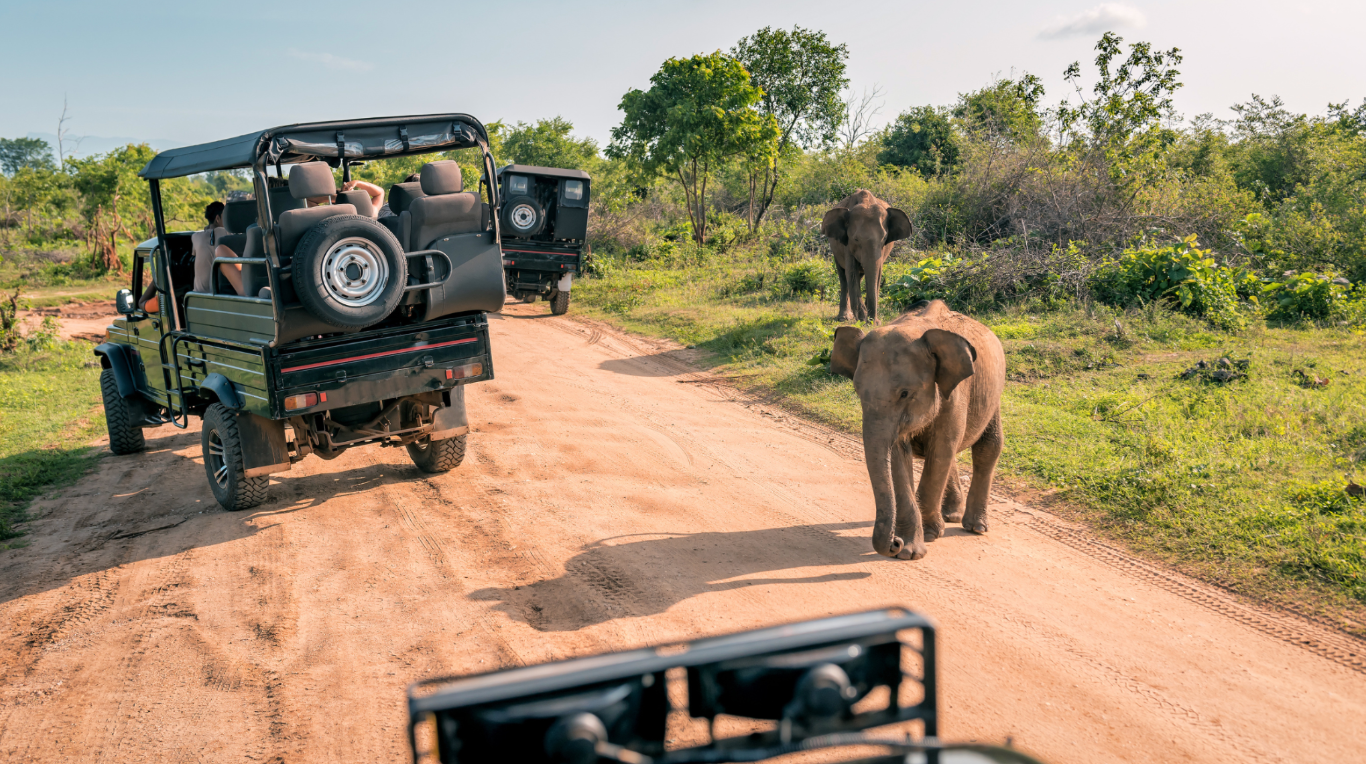
Here’s the truth: planning a Tanzania safari with kids sounds thrilling right up until the questions start stacking. Which parks won’t drive a five-year-old to meltdown? How many hours in a Land Cruiser is too many for a toddler who hasn’t napped? And yes, what do you do when your sixteen-year-old would rather be anywhere else on earth?
This guide exists because those questions deserve real answers. By the time you finish reading, you’ll know which parks actually work by age group, how to pace each day without burning anyone out, and how to find lodges that suit the way real families travel. Not the ones in brochures. Yours.
One piece of research worth anchoring everything to: a 2025 U.S. Family Travel Survey found that 61% of parents report that involving younger family members in the planning process positively impacts their happiness and engagement during the trip. That single finding quietly shapes every recommendation here.
Fast Family Fit Check (Do This Before You Book Anything)
Lodge browsing can wait. Before you touch an itinerary, do an honest self-assessment because well-designed tanzania family safaris look completely different depending on who’s actually riding in your vehicle.
Many families discover, sometimes too late, that trips built around their children’s real rhythmsnap windows, attention spans, and genuine wildlife curiosity produce something far richer than any group tour ever could.
60-Second Decision Checklist
Start here: child ages, nap requirements, motion sickness history, and realistic animal interest level. Then settle the vehicle question. Private vehicles almost always win with young kids. You control pacing, stops, noise, and detours. Finally, name your travel style: wildlife-first, comfort-first, or a safari-plus-beach blend.
Watch for these red flags before confirming anything: back-to-back long road transfers, too many camp changes inside a single week, lodges with no pool or shaded communal space, and any property enforcing strict under-7 policies on shared vehicles.
The Three Comfort Levers That Change Everything
Short transfers matter more than most parents expect. Fly-in connections between parks eliminate the single biggest friction point for young travelers. Game drive duration targeting two to three hours for younger kids keeps moods stable and energy reserves intact. Reliable downtime inside campa pool, nature walks, junior ranger programs, rounds out a daily rhythm that’s actually sustainable. Get these three right, and the whole trip breathes differently.
Tanzania Safari Age Guide (0–18): Parks, Pace, Lodges
Once you’ve worked through your family’s comfort thresholds, zoom in on the biggest variable shaping every decision: your child’s age.
Babies and Toddlers (0–2): Low-Stress Blueprint
At this stage, the parents’ experience matters most. One or two safari bases maximum, heavy downtime built into every day. Tarangire-area lodges bring wildlife naturally close to camp, reducing pressure on long drives. Ngorongoro Crater rim properties work brilliantly as a high-reward day-trip base.
Non-negotiable lodge features: family suites or connecting rooms, fenced and patrolled perimeters, flexible mealtimes, and reliable hot water. Avoid multi-park loops, shared vehicles, and full-day game drives entirely.
Preschool (3–5): Short Drives, Dense Wildlife, Full Stop
Four to seven nights on safari, optionally followed by three to five nights in Zanzibar. Best daily rhythm: a short early drive, a long midday break, an optional sunset loop if energy holds.
Ngorongoro Crater delivers exceptional rewards per hour, ideal for attention spans measured in minutes, not hours. Tarangire’s elephants and towering baobabs give children vivid visual anchors they’ll describe at school for months. Big 5 bingo cards, animal track sheets, and simple camera scavenger hunts keep ages three to five genuinely engaged between sightings. Skip walking safaris and migration-chasing routes entirely at this age.
Early Elementary (6–8): The Sweet Spot
Ages six to eight combine attention span, physical stamina, and genuine curiosity in a way that makes game drives feel like real exploration rather than a chore. Plan seven to ten nights. The classic northern circuit, Tarangire, Ngorongoro, and a minimum of three nights in Serengeti, works beautifully here.
Lodge priorities shift slightly: a pool matters, kid menus help, and naturalist talks start to actually land. Kids this age can begin tracking basics, bird identification, and respectful quiet behavior around wildlife. These aren’t just extras; they make every drive more rewarding for everyone in the vehicle, adults included.
Tweens (9–12): Earned Adventure and Real Depth
Stretch to eight to twelve nights. This is when a Great Migration focus genuinely becomes worth planning around. A stop at Olduvai Gorge for human-origins storytelling earns real fascination rather than polite tolerance. Avoid rushed one-night Serengeti stays, too much transit, not enough immersion.
Daily journaling, photo assignments with actual prompts, and ethical community-led cultural experiences add meaningful layers without sliding into uncomfortable territory. This is the age when kids begin building a travel identity. Give them something worth remembering.
Teens (13–18): More Freedom, More Intensity
Nine to fourteen nights. Teens respond to photographic focus drives at golden hour, conservation talks with guides, and behind-the-scenes access to anti-poaching operations. Adding an adventure layer, canoe activities where permitted, longer days, and later evening flexibility keeps them genuinely invested rather than tolerating the trip for your sake.
Smart itinerary design for teen buy-in: one unmissable anchor (the migration, the Crater, a remote park) plus one comfort anchor (a nicer lodge, a pool day, or a beach finish in Zanzibar.
Best Parks for Families: An Honest Assessment
Northern Circuit Favorites
The Northern Circuit is where most family safaris begin. Serengeti rewards longer stays enormously and delivers unmatched wildlife density across multiple regions. Ngorongoro Crater maximizes sightings in a single day, making it the fastest high-reward option for younger children. Tarangire anchors beautifully as a starter park. Lake Manyara works best as a scenic bonus stop rather than a primary base.
Southern and Western Tanzania
These parks suit repeat visitors, teens, and families arriving with fly-in budgets and three or more nights per location. The trade-off is complexity. Fewer crowds and genuine remoteness are wonderful things, but harder to manage with rigid sleep schedules and young children. Only add them if flying between parks is already part of the plan.
Zanzibar Pairing
Zanzibar after safari is standard for a reason; it’s excellent for decompression. Zanzibar, before safari, can ease jet lag for younger children, letting them arrive at the parks already adjusted. Three to four beach nights are usually the sweet spot either way.
Sample Itineraries (Age-Based, Ready to Adapt)
5-Day First Safari for Ages 3–6
Two nights in Tarangire, two nights at Ngorongoro with a crater day built in. One signature experience per day, no over-scheduling. Nap time is between ten and two. Day five allows a relaxed departure or Zanzibar connection.
7–8 Day Classic Northern Circuit for Ages 6–10
Tarangire (two nights), Ngorongoro (two nights), Serengeti (three to four nights). Drive the Tarangire-to-Ngorongoro leg. Fly into the Serengeti to protect energy. This is the best Tanzania safari configuration for primary-school-age children who can handle longer mornings but still need genuine afternoon downtime.
10–12 Day Migration-Focused for Ages 9–18
Region selection depends on timing. July through October favors the northern Serengeti for river crossings. January through March centers on the southern Serengeti calving season. Built in a minimum of four nights in Serengeti, rushed migration encounters rarely satisfy anyone.
10–14 Day Multi-Generational Safari
More than 57% of parents are now planning multi-generational trips, up from 55% in 2023. A two-base approach, fewer hotel changes, and more depth per location consistently works best. Prioritize accessibility at every stage: lodge steps, walking distances, bathroom proximity, and rooming configurations that prevent daily negotiation from grinding the group down.
Lodge Non-Negotiables Before You Book
Even a flawless itinerary unravels at a lodge that wasn’t built for families.
Screen for wildlife movement through camp and night-escort protocols. Confirm exact rooming configurations: family tents, interleading rooms, triple setups. Food flexibility matters more than most parents anticipate: kid menus, allergy handling, and mealtime latitude. Assess pool shade, laundry turnaround, backup power reliability, and generator placement relative to sleeping areas.
Minimum age policies for shared game drives, walking safaris, night drives, and boating vary significantly between properties. Before confirming any booking, email camps directly. Getting this detail wrong after arrival is an expensive, stressful surprise no one needs.
Health, Safety, and Comfort Essentials
Malaria Prevention by Age
The WHO reports that 94% of global malaria cases occur in the African region, with 75% of deaths in that region involving children under five. Layered prevention works: protective clothing at dusk, age-appropriate repellent, lodge-supplied nets, and returning to camp before peak mosquito hours. Consult a pediatric travel clinician before departure, not during the trip.
Food, Water, and Road Transfers
Cooked foods and bottled water for kids during the first few safari days. Hydration in heat requires active prompting; don’t wait for thirst to appear. For long road transfers, audiobooks and structured snack timing outperform screens alone. When flying between parks, pack soft bags, bring something chewy for ear pressure, and respect strict light-aircraft weight limits.
Budgeting Without Gutting What Makes It Special
Private vehicles cost more and pay back enormously in flexibility, especially for children under eight. Flying between parks is expensive but eliminates the biggest source of family friction on the road. Fewer camp changes and longer stays per location simultaneously reduce costs and improve the experience, a rare win-win. Shoulder season travel in November and April brings meaningful price reductions without sacrificing wildlife quality.
Questions Parents Ask Most
Minimum age for a Tanzania safari? Most lodges set policies between five and seven years for national park game drives. Toddlers typically struggle with long drives, early starts, and the sustained quiet that good wildlife viewing demands.
Best age for an African safari? Ages eight to twelve tend to deliver the richest experience. Children handle longer drives well, ask genuinely thoughtful questions, and hold onto memories from the trip for years.
Why no white on safari? Dust from unpaved tracks settles on clothing constantly. White fabric shows every mark instantly, impractical during the dry season in parks like Serengeti.
Final Thoughts
A thoughtfully designed Tanzania safari with kids turns what initially feels like an overwhelming logistics puzzle into one of the most meaningful experiences a family can share.
Age-appropriate parks, private vehicles, honest pacing, and carefully screened lodges do most of the heavy lifting. Get those four fundamentals right, and the safari handles the rest, sometimes more memorably than any parent dared to imagine before departure.
For more, visit Pure Magazine
