Finding new building materials helps protect forests. People want durable options that look good and last a long time. Sustainable choices help preserve nature for everyone.
Many modern choices work better than real timber. Sustainable materials handle rain and sun without rotting or warping. Selecting the right product makes a big difference in the long run.
The Shift Toward Composite Materials
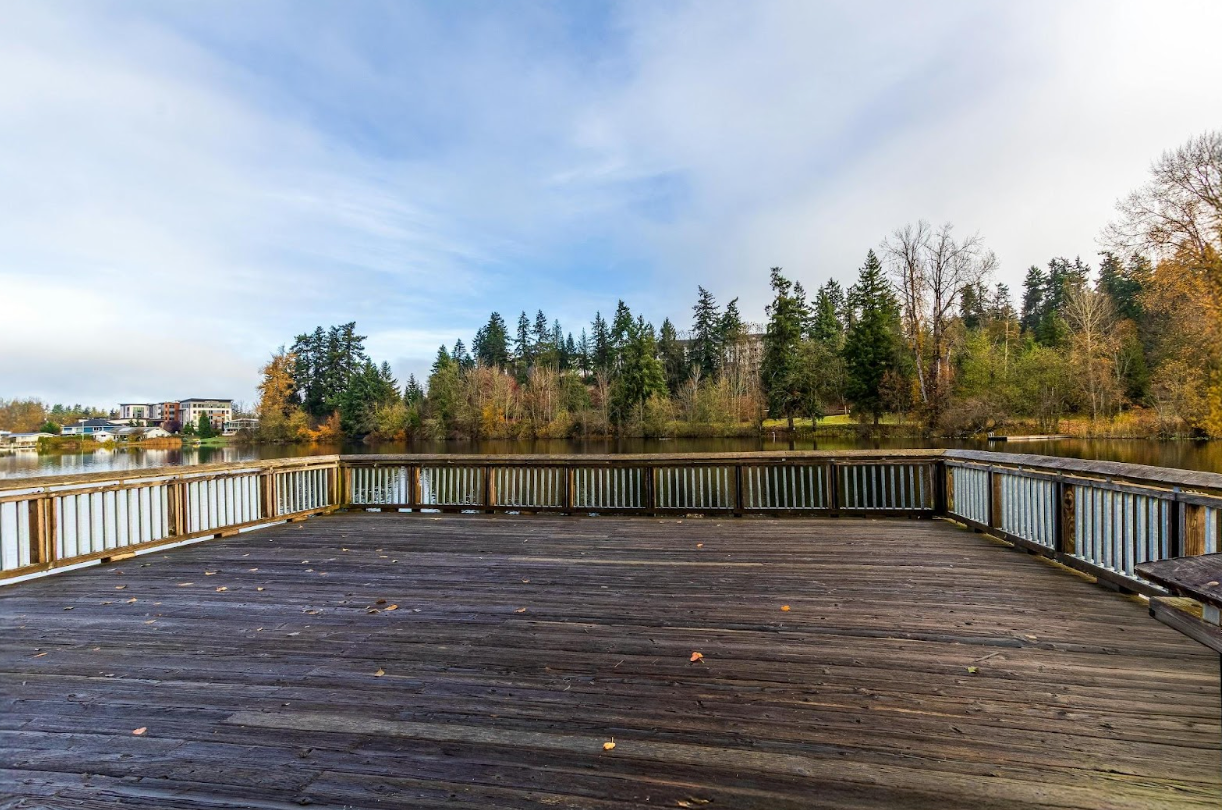
Modern homeowners want a deck that stands up to the elements without rotting. Using wood alternative decking creates a beautiful outdoor space without the constant upkeep of pine. The switch saves hours of sanding and painting every single year.
It is a great way to reclaim your weekends. You can spend your time relaxing instead of scrubbing wood. The change is popular with busy families who value their free time.
Products blend recycled fibers with plastics. The combination keeps waste out of the ocean. It gives a second life to items that would sit in a dump for centuries.
Benefits of Wood-Plastic Composites
Strength is a major factor for anyone building a deck. An industry report shared that the market for wood-plastic composites is expected to grow by 11.5% through 2030. Growth shows that people trust modern solutions.
Builders like how these boards stay straight and true. Real wood often twists or splits when it gets wet. Stable materials make for a safer walking surface for kids and pets.
Upkeep costs stay low for decades. You only need a bit of soap and water to keep things looking new. Most people prefer a quick wash over a heavy stain job.
Long Lasting Performance In Harsh Weather
Sun and rain take a heavy toll on natural timber. One home improvement expert mentioned that modern capped composites resist stains and fading for 25 years. Durability makes them a top choice for sunny areas.
The lifespan is much better than what cedar offers in tough climates. It means fewer repairs and more time relaxing outside. You won’t have to worry about rot or splinters.
Moisture does not soak into the surfaces as it does with oak. It prevents the growth of mold and mildew in the shade. Your outdoor area stays cleaner for longer periods.
Innovative Interior Design Options
Innovation is changing how we finish our rooms. An article on eco-friendly news stated that mycelium materials provide a biodegradable option for interior finishes. Technology is gaining ground in the design world.
Fungal roots grow into solid shapes that work well for insulation or wall panels. These materials replace hardwoods that take years to grow. It is a fascinating way to use biology in building.
Designers find these textures unique and interesting. They offer a natural look without cutting down a single tree. It brings a modern feel to any living space or office.
Why Sustainability Matters Now
Trees act like huge lungs that clean the air by soaking up carbon. Keeping old-growth forests standing helps the entire planet stay cool and healthy. The effort protects the natural world for living things today.
Swapping new timber for recycled goods keeps a lot of heavy trash out of local landfills. Using what we already have is a smart move for modern builders. Some top brands now make high-quality boards with 95% reused materials.
Living green is much more than a fad for modern families. Small decisions in your building project can create a big ripple effect. Every action makes a difference.
Making The Right Choice For Your Project
Every project has unique needs based on where you live. Think about the local weather patterns before you start buying any building supplies. Wet coastal air can be very hard on traditional materials like pine or cedar, as it often leads to rot much faster than you might expect.
Certain products work best for ground-level structures where moisture is high. Others perform better when used for raised platforms or delicate indoor trim. Matching the right material to the exact job is a key step for any successful builder who wants things to last.
You should check how much foot traffic the area will see daily. High traffic zones need the toughest surfaces available to prevent early wear. You should calculate the total cost over 10 years to see the real value of the investment and its impact on the environment.
Check some factors before starting:
- Resistance to heavy foot traffic
- Total cost over 10 years
- Impact on the environment
Choosing green materials is a great step for any builder. It balances style with a responsible mindset. Every little bit helps the planet stay healthy.
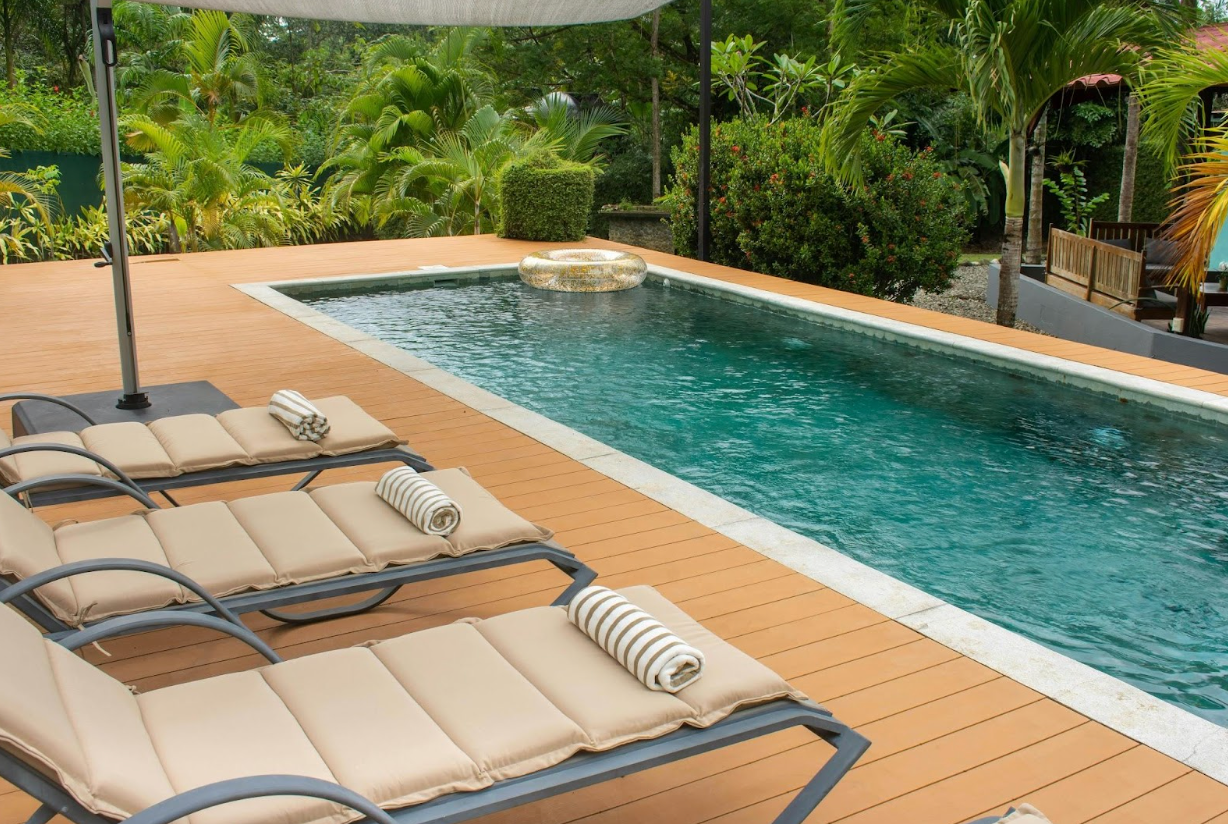
Alternatives offer a fresh way to build. Start your next project with a focus on lasting quality. You will enjoy the results for many years.
For more, visit Pure Magazine