


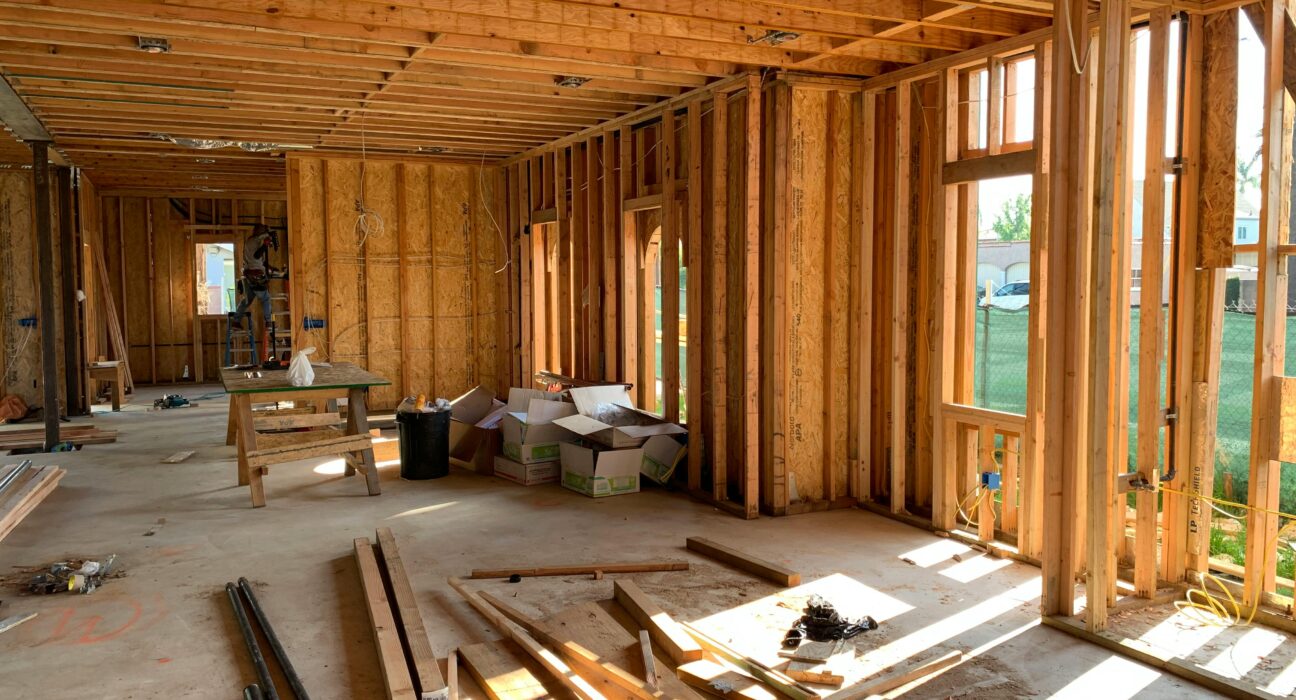
Cambridge is renowned for its rich history, beautiful architecture, and thriving communities. As homeowners become increasingly conscious of environmental issues and rising energy costs, sustainable renovation has become a major focus across the city. Whether updating a period property, modernising a family home, or improving a rental investment, many property owners are seeking ways to reduce their environmental impact while creating comfortable and efficient living spaces.
A well-planned house renovation Cambridge project can deliver significant benefits, including lower energy bills, improved property value, and a healthier indoor environment. Sustainability is no longer just a trend, it is becoming an essential consideration for homeowners who want their properties to remain efficient and attractive for years to come.
In this article, we explore the most popular sustainable house renovation trends shaping homes across Cambridge.
Prioritising Energy Efficiency
One of the biggest drivers behind sustainable renovations is the desire to improve energy efficiency. Older properties, particularly the Victorian and Edwardian homes commonly found throughout Cambridge, often lose heat through poorly insulated walls, roofs, and windows.
Many homeowners are investing in:
- Loft insulation
- Cavity wall insulation
- Solid wall insulation
- Energy-efficient doors
- Double or triple glazing
These improvements help reduce heat loss, lower energy consumption, and create a more comfortable living environment throughout the year.
Energy-efficient renovations are particularly appealing because they often provide long-term financial savings. With energy prices remaining a concern for many households, reducing dependence on excessive heating and cooling has become a key objective.
The Rise of Air Source Heat Pumps
Traditional gas boilers are gradually being replaced by more sustainable heating solutions. Air source heat pumps have become increasingly popular among homeowners undertaking a house renovation Cambridge project.
These systems extract heat from the outside air and use it to warm the home and provide hot water. Although installation costs can be higher than conventional heating systems, the long-term energy savings and reduced carbon emissions make them an attractive option.
Heat pumps are particularly effective when combined with:
- Underfloor heating
- High-quality insulation
- Modern energy-efficient windows
Together, these upgrades create a highly efficient home that requires less energy to maintain comfortable temperatures.
Sustainable Building Materials
Choosing environmentally friendly materials is becoming a priority during renovation projects. Sustainable materials reduce environmental impact while often offering excellent durability and performance.
Popular choices include:
Reclaimed Timber
Reclaimed wood adds character and charm while reducing demand for newly harvested timber. It can be used for flooring, shelving, beams, and furniture.
Recycled Materials
Many homeowners are incorporating recycled materials into their renovations, including recycled bricks, metal, glass, and composite products.
Natural Insulation
Sheep’s wool, cork, hemp, and wood fibre insulation are gaining popularity as alternatives to synthetic insulation products. These materials provide excellent thermal performance while being more environmentally responsible.
Low-VOC Paints
Volatile Organic Compounds (VOCs) found in some paints can affect indoor air quality. Low-VOC paints help create healthier living spaces while reducing harmful emissions.
Solar Panels Becoming Mainstream
Solar energy has become one of the most visible sustainability trends across Cambridge. As technology improves and installation costs become more accessible, many homeowners are choosing to install solar photovoltaic (PV) panels.
Benefits include:
- Reduced electricity bills
- Lower carbon footprint
- Greater energy independence
- Increased property appeal
For homeowners planning a major house renovation Cambridge project, integrating solar panels during renovation work can be a practical and cost-effective solution.
Battery storage systems are also becoming more common, allowing households to store excess energy generated during the day for use during evenings and periods of lower sunlight.
Smart Home Technology for Sustainability
Technology is playing a growing role in sustainable home improvements. Smart home systems help homeowners monitor and manage energy usage more effectively.
Popular features include:
Smart Thermostats
Smart thermostats learn household routines and optimise heating schedules to minimise energy waste.
Smart Lighting
LED lighting combined with motion sensors and automated controls reduces electricity consumption while improving convenience.
Energy Monitoring Systems
Home energy monitoring systems provide real-time data on energy usage, helping homeowners identify opportunities to reduce consumption.
These technologies not only support sustainability goals but also improve everyday comfort and control.
Water Conservation Measures
Sustainable renovation is not limited to energy efficiency. Water conservation has become another important consideration for environmentally conscious homeowners.
Common water-saving upgrades include:
- Low-flow taps and showerheads
- Dual-flush toilets
- Water-efficient appliances
- Rainwater harvesting systems
Rainwater collection systems can be particularly useful for garden irrigation, reducing reliance on mains water during drier months.
As water resources become increasingly valuable, incorporating conservation measures into renovation projects can provide both environmental and financial benefits.
Creating Sustainable Kitchens
The kitchen remains one of the most renovated areas of any home. Sustainable kitchen design focuses on reducing waste, improving efficiency, and selecting environmentally friendly materials.
Current trends include:
- Cabinets made from sustainably sourced timber
- Recycled worktop materials
- Energy-efficient appliances
- Durable fixtures designed for long-term use
- LED task lighting
Many homeowners are moving away from disposable design trends and choosing timeless styles that remain attractive and functional for many years.
This approach reduces the need for future replacements and contributes to a more sustainable home overall.
Eco-Friendly Bathroom Renovations
Bathrooms are another area where sustainable upgrades can make a significant difference.
Popular eco-friendly bathroom features include:
- Water-saving fixtures
- Efficient ventilation systems
- Recycled tiles
- Sustainable flooring materials
- Energy-efficient lighting
Underfloor heating systems are also becoming increasingly popular in bathroom renovations, particularly when paired with renewable energy sources.
By reducing water and energy consumption, homeowners can create stylish bathrooms that support broader sustainability goals.
Bringing Nature Indoors
Biophilic design is gaining momentum in modern home renovations. This design approach seeks to strengthen the connection between people and nature.
Key elements include:
- Larger windows for natural light
- Indoor plants
- Natural materials
- Green walls
- Garden-facing living spaces
Homes that maximise natural light often require less artificial lighting during the day, reducing energy usage while creating healthier and more inviting interiors.
In Cambridge, where many properties benefit from attractive gardens and outdoor spaces, integrating nature into interior design has become a particularly popular renovation trend.
Extending Rather Than Relocating
Rather than moving house, many Cambridge homeowners are choosing to renovate and extend their existing properties.
Sustainable extensions focus on:
- High-performance insulation
- Energy-efficient glazing
- Natural ventilation
- Sustainable materials
- Renewable energy integration
By improving and expanding existing homes, homeowners can reduce the environmental impact associated with moving and new construction.
This approach also allows families to remain within established communities while adapting their homes to changing needs.
Future-Proofing Homes for the Long Term
One of the most important aspects of sustainable renovation is future-proofing. Homeowners are increasingly looking beyond immediate improvements and considering how their properties will perform over the next several decades.
Future-proofing measures include:
- Electric vehicle charging points
- Renewable energy systems
- Flexible living spaces
- Enhanced insulation standards
- Smart technology integration
These upgrades help ensure that homes remain efficient, comfortable, and attractive as regulations, technology, and lifestyle requirements continue to evolve.
For many property owners, a sustainable house renovation Cambridge project is not simply about improving a property today but it is about preparing it for the future.
Conclusion
Sustainable renovation trends are transforming homes throughout Cambridge. From energy-efficient upgrades and renewable heating systems to eco-friendly materials and smart technology, homeowners are embracing solutions that reduce environmental impact while enhancing comfort and property value.
Whether renovating a period property or updating a modern home, incorporating sustainability into renovation plans can deliver long-term benefits for both homeowners and the environment. As awareness of energy efficiency and responsible building practices continues to grow, sustainable house renovation is set to remain a key focus for Cambridge homeowners in the years ahead.
For more, visit Pure Magazine