Many people want a home that saves energy and feels good to live in. Studies show that eco-friendly upgrades can lower bills and improve indoor air quality. This blog will share easy ways to make your house greener with simple steps anyone can follow.
Keep reading for tips to upgrade your space and boost your lifestyle.
Improve Energy Efficiency
To make your home more energy efficient, start by adding insulation to your walls and attic. Seal any gaps around windows and doors to keep the air inside where it belongs.
Add insulation to walls, attics, and floors
Adding insulation to your home is a smart move for energy efficiency and comfort. It keeps your house warm in winter and cool in summer.
- Insulation in the walls reduces the amount of heat that escapes. This means less energy is used to heat or cool your home.
- Attics often lose a lot of heat. Adding insulation there traps warmth in winter. In summer, it stops too much heat from getting inside.
- Floors can also let out heat, especially if your house is raised off the ground. Insulating these areas keeps your floors warmer.
- You save money on energy bills because your heating and cooling systems don’t have to work as hard.
- The environment benefits because less energy use means fewer greenhouse gas emissions.
- Your home becomes more comfortable throughout the year. Rooms stay at a more consistent temperature.
- Insulation helps cut down on noise from outside, making your home quieter.
- It increases the value of your house by making it more energy-efficient and desirable to buyers.
By adding insulation, you create a greener and more efficient home that saves money and improves comfort.
Seal gaps around windows and doors with weatherstripping
After adding insulation to your home, the next step for better energy efficiency is sealing gaps around windows and doors. This prevents warm or cool air from escaping, reducing energy use.
- Identify where drafts are coming in by feeling around windows and doors.
- Choose the right type of weatherstripping for your needs. Foam, rubber, and silicone are common materials.
- Measure the perimeter of each window and door to know how much weatherstripping you need.
- Clean the surface areas where you will apply the weatherstripping for better adhesion.
- Cut the weatherstripping to fit each side of a window or door.
- Peel off the backing if using self-adhesive weatherstripping and press firmly into place.
- For doors, pay extra attention to the bottom gap; a door sweep may also be needed here.
- Check windows for any old or worn-out weatherstripping and replace it if necessary.
- After installation, test doors and windows to ensure they open and close smoothly without drafts.
This process makes your home more energy-efficient by keeping conditioned air inside where it belongs.
Install energy-efficient windows or storm windows
Energy-efficient windows keep your home warm in winter and cool in summer. These windows use double or triple panes with special coatings that block heat loss and reduce drafts.
Storm windows are a budget-friendly option for older homes. They add a second layer of glass and boost insulation without a full window replacement. Both choices help lower energy costs and support sustainability in your home renovation projects. Working with professional electricians who use software for electrical contractors can make your home upgrades more efficient and cost-effective. These tools help track inspections, manage project timelines, and document all electrical work digitally. From wiring upgrades for energy-efficient lighting to optimizing solar panel connections, software ensures the job is done safely, accurately, and on schedule—saving both time and money while maximizing your home’s energy performance.
Solar panels work even better when paired with well-insulated windows.
Switch to Renewable Energy
Switching to renewable energy is a smart move. Solar panels can help power your home while saving money on utility bills.
Install solar panels and battery storage
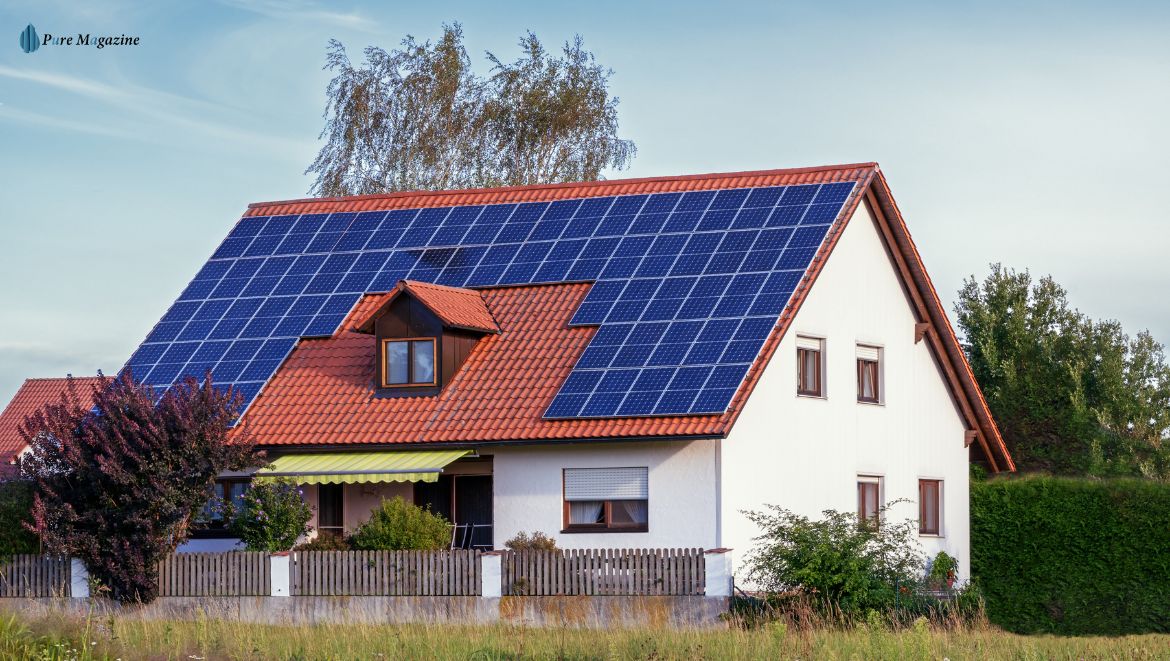
Solar panels can reduce your energy bills. They also benefit the planet by using clean energy.
- Solar panels collect sunlight and convert it into electricity. This decreases your reliance on fossil fuels.
- Many homes can benefit from battery storage. Batteries store extra energy for use when the sun isn’t shining.
- Installing solar panels increases your home’s value. Many buyers prefer homes with renewable energy sources.
- Some states provide tax credits for solar panel installation. These incentives can lower the overall cost.
- Solar systems require minimal maintenance. Regular cleaning and checks keep them functioning well.
- Connecting to the grid can offer backup power when needed. This ensures you have electricity even during outages.
Making these upgrades can greatly improve energy efficiency in your home. When choosing a solar installer, consider one that uses Solar CRM software. This technology helps the installer manage your project efficiently, from scheduling installation to tracking system performance. It ensures your panels are installed on time, any maintenance is handled promptly, and warranties are tracked accurately.
Consider geothermal heating and cooling systems
Geothermal heating and cooling systems use the earth’s natural heat to keep homes comfortable. These systems draw warmth from the ground in winter and release heat back into it during summer. This process makes them very energy efficient.
Using geothermal energy can reduce utility bills by up to 70 percent compared to traditional systems. It also lowers your carbon footprint, making it an eco-friendly choice for your home.
Many people enjoy these systems because they work quietly and last a long time with little maintenance. Integrating renewable energy sources can lead to even greater savings on energy costs.
Conserve Water
Using less water is easy with simple changes. Low-flow fixtures can help you save both water and money every month.
Add low-flow showerheads and faucets
Low-flow showerheads and faucets help save water. These fixtures reduce the amount of water used without sacrificing pressure.
- Low-flow showerheads use about 1.5 to 2.0 gallons per minute. This is less than the standard 2.5 gallons used by older models.
- Installing low-flow faucets limits flow to about 1.5 gallons per minute. Regular faucets can flow up to 2.2 gallons or more.
- Using these fixtures helps lower water bills. Many households can save hundreds of dollars each year.
- They are easy to install and fit most standard plumbing setups. This makes it a straightforward upgrade for homeowners.
- Low-flow options provide a comfortable experience while conserving water. You don’t have to compromise on comfort for efficiency.
These upgrades enhance water conservation and support eco-friendly living practices, creating a better environment for everyone.
When considering aesthetic improvements alongside energy efficiency, many homeowners in the region turn to interior design in Edmonton for professional guidance.
Collect and reuse rainwater with rain barrels
Rain barrels collect water from your roof. This water comes from rain that runs off the gutters. You can use this collected rainwater for your garden or lawn. It helps save money on your water bill and is good for the environment.
Building a rain barrel system is easy. You only need a barrel, some tubing, and a few tools. Look for food-grade barrels to ensure safety. With this simple upgrade, you can conserve water efficiently while caring for your plants with eco-friendly practices.
Use Eco-Friendly Materials
Using eco-friendly materials is a great way to make your home better for you and the planet. Choose safe items and help create a healthier living space.
Choose reclaimed or sustainable flooring
Reclaimed and sustainable flooring is a smart choice for any home. Reclaimed wood comes from old buildings or furniture. This helps reduce waste and preserves forests. Sustainable materials, like bamboo or cork, grow back quickly and do not harm the environment.
These options are also healthier for your home. They often contain fewer harmful chemicals than traditional flooring. Choosing eco-friendly materials can improve indoor air quality too.
Enjoy a beautiful floor while making a positive impact on the planet! Next, let’s explore ways to enhance your outdoor space.
Use natural, non-toxic paints and finishes
Choosing natural, non-toxic paints and finishes is easy. These products reduce harmful chemicals in your home. They are better for the air you breathe and keep your family safe.
Non-toxic options come in many colors. You can find paints made from plant-based materials or minerals. They offer a wide range of beautiful choices without harming the environment.
Selecting eco-friendly materials helps improve both indoor air quality and sustainability in home renovation projects.
Enhance Your Outdoor Space
Planting a native garden can bring beauty to your yard. It also supports local wildlife and saves water.
Plant a native garden
Native gardens attract local wildlife and support the ecosystem. These plants thrive in your area, needing less water and care. They are more resilient to pests and diseases, too. A garden with native flowers provides food for bees, butterflies, and birds. It creates a beautiful space that changes with the seasons.
Using native plants helps reduce lawn maintenance tasks. You spend less time mowing or watering. This means you can enjoy your yard more. It also lowers water usage, making it eco-friendly. A native garden adds value to your home while promoting sustainability.
Integrate sustainable landscaping practices
Creating an eco-friendly outdoor space ties well with planting a native garden. Use plants that are adapted to your local climate. These plants need less water and help the local wildlife. They also reduce the need for chemical fertilizers and pesticides.
Consider adding features like rain gardens or permeable paving. Rain gardens collect stormwater, allowing it to soak into the ground instead of running off into drains. Permeable surfaces let rainwater filter through, helping to recharge groundwater. Additionally, consider installing a metal carport, which can serve as both storage for gardening tools and supplies and a way to protect the surrounding landscape from chemical residue and oil drips often left behind by cars. This approach promotes water conservation while enhancing your yard’s beauty.
Conclusion
Home upgrades can boost your lifestyle and help the planet. Simple changes make a big difference. Improve energy efficiency, switch to renewable energy, and conserve water. Use eco-friendly materials to create a healthy home.
These steps lead to better living while caring for our environment. Enjoy your new sustainable space!
Visit: Pure Magazine