Women are often told that beautiful shoes require compromise. The heel may rub at first. The toes may need time to adjust. A little pressure is treated as normal if the shape looks elegant enough.
That thinking has kept plenty of uncomfortable shoes in wardrobes and on tired feet.
A good-looking shoe should not depend on the foot being squeezed into the wrong shape. Style and comfort are not opposing ideas. When the width, depth, and heel fit are right, footwear can look polished without becoming something the wearer wants to remove within an hour.
The challenge is learning to judge fit more honestly. A shoe may look perfect in the mirror and still be wrong for the foot inside it.
The Size Number Does Not Tell the Whole Story
Most women know their usual shoe size and naturally begin there. Yet the number only refers mainly to length. It says far less about width, toe shape or internal depth.
Two pairs marked with the same size can fit very differently. One may have a rounded front, while another narrows sharply around the toes. A shallow shoe can press across the top of the foot even when the length appears correct.
This is why familiar sizing sometimes fails.
Feet can also change over time. Pregnancy, ageing, injury, swelling and changes in the arches may all affect fit. One foot may become slightly wider than the other. A size that worked several years ago may no longer suit the shape of the foot today.
Buying from habit is convenient. Paying attention to the current fit is more useful.
Wide Feet Do Not Need Longer Shoes
A common response to tight footwear is to move up a size.
This may add room in front of the toes, but it does not necessarily create enough width across the forefoot. The heel then begins slipping, while the sides of the foot may still feel compressed.
A wider shoe is built differently. It provides space where the foot actually needs it without adding unnecessary length.
The toes should be able to sit naturally rather than being pushed inward. At the same time, the shoe should remain secure through the heel and middle.
Women looking for the best shoes for wide feet women should therefore pay more attention to shape than to size alone. A larger number is not a reliable substitute for a wider construction.
The Toe Box Often Decides the Comfort
The front of the shoe is responsible for many everyday fit problems.
Pointed and tapered designs can look refined, but the internal space may be far narrower than the foot. The pressure becomes more noticeable after walking, standing or spending several hours in warm conditions.
The little toe may rub against the side. Toenails can press against the front. Existing bunions or sensitive joints may become more irritated.
A roomier toe box allows the front of the foot to rest more naturally. This does not mean every shoe must look broad or heavy. Clever design can create internal space while keeping a neat outer shape.
The most important test is how the toes feel once body weight is placed through the foot. A shoe that seems roomy while sitting may become restrictive when standing.
Softness Cannot Rescue the Wrong Shape
A padded lining or soft upper can create an instant impression of comfort. That first feeling is useful, but it should not be confused with a proper fit.
A shoe may be beautifully cushioned and still too narrow. Another may feel flexible while allowing the heel to slide. Soft material can reduce some irritation, but it cannot provide space where there is none.
Comfort comes from several features working together.
The heel should remain secure. The sole should soften contact with the ground without feeling unstable. The upper should move with the foot rather than creating a hard line of pressure. The toes need enough room, and the foot should not slide forward with every step.
A good fit feels settled rather than merely soft.
Shopping Later Can Give a More Honest Fit
Feet are not always the same size throughout the day.
Walking, heat and long periods of standing may cause slight swelling. A pair tried early in the morning can therefore feel tighter several hours later.
Trying shoes in the afternoon or evening often gives a more realistic idea of how they will behave during daily wear. The socks or hosiery normally worn with that style should also be used during the fitting.
Walk around rather than judging the pair from a seated position. Turn, stop and take a few quicker steps. Notice whether the heel lifts or the toes touch the front.
Both shoes need attention. Many women have one foot that is marginally larger or wider, and that foot should generally guide the choice.
A shoe should feel reasonably comfortable from the beginning. Relying on a painful pair to stretch later is rarely a good plan.
Style Works Better When the Wearer Can Move Naturally
An elegant shoe loses some of its effect when the wearer is taking guarded steps.
Poor fit changes movement. A slipping heel may cause the toes to grip. Pressure across the forefoot can shorten the stride. A painful area may lead the wearer to shift weight to the other side.
These changes are often more visible than the shoes themselves.
A comfortable pair allows a woman to walk normally, stand without constantly changing position and remain present at an event rather than thinking about when she can sit down.
That ease becomes part of the style.
Clothes usually look better when the person wearing them feels comfortable enough to move naturally. Confidence is difficult to maintain when every step creates another reminder that the shoes were chosen for appearance alone.
Building a Wardrobe Around Real Life
Not every pair needs to perform every task.
A formal evening shoe may be worn for fewer hours than a daily work pair. A casual walking shoe needs different qualities from a boot or summer sandal. The mistake is expecting decorative footwear to carry the demands of a full working day.
A practical shoe wardrobe considers how each pair will be used.
Everyday shoes should handle routine walking, errands and time spent standing. Work footwear may need to balance presentation with cushioning and stability. Travel shoes should remain comfortable across long distances and changing surfaces.
Women do not necessarily need more pairs. They need pairs chosen with clearer purposes.
A stylish shoe that rarely leaves the wardrobe because it hurts is not a useful purchase. A comfortable design that works with several outfits usually offers far better value.
Wide-Fit Shoes Can Still Look Refined
Wider footwear once had a reputation for looking plain, heavy or overly practical. That is no longer a fair description of the category.
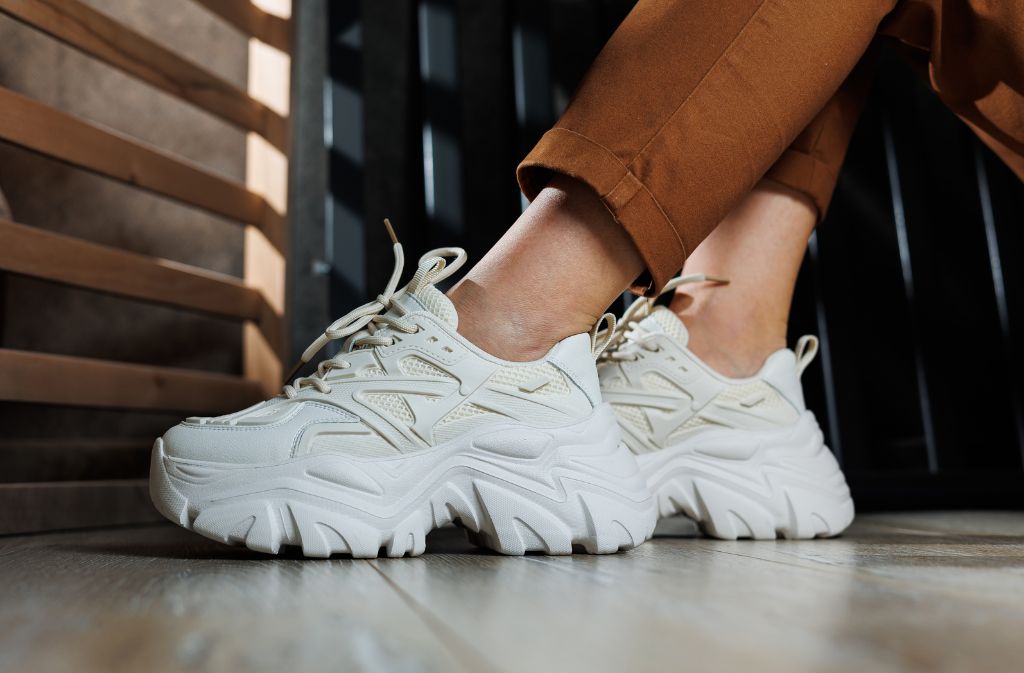
Modern wide-fit shoes are available in trainers, boots, flats, sandals and more polished everyday designs. Neutral colours and cleaner uppers allow them to work easily with dresses, denim, tailored trousers and workwear.
The goal is not to hide the fact that the shoe is comfortable. It is to choose a design that fits naturally into the wearer’s existing style.
Simple details often make a pair more versatile. An uncluttered upper, balanced sole and wearable colour can move between casual and smarter outfits without attracting attention for the wrong reasons.
Comfort becomes easier to maintain when the shoe does not feel like a visual compromise.
Check More Than the Upper
The visible part of the shoe receives most of the attention, but the sole has a large influence on how the pair feels.
A completely flat, thin sole may offer little protection on hard pavements. An excessively soft sole can feel unstable during longer walks. The right balance depends on the wearer, but the foot should feel supported rather than disconnected from the ground.
Grip is also worth checking. A fashionable sole can be surprisingly smooth underneath, making wet entrances or polished floors more difficult.
The heel should feel firm enough to hold its shape. If it collapses easily or allows too much movement, rubbing may begin.
Inside the shoe, look for raised stitching, rough edges or folds in the lining. Small details become less small after several hours of contact.
Insoles Change the Space Inside a Shoe
Some women use replacement insoles for additional cushioning or support. These can be helpful, but they also take up room.
A thick insole may raise the foot and create pressure across the toes or upper. The heel may sit higher and begin slipping out of the shoe.
Insoles should therefore be tested inside the pair before purchase where possible.
Adding support to a shoe that already fits tightly is unlikely to improve comfort. The shoe needs enough internal depth to accommodate both the foot and the insert.
More cushioning is not automatically better. The final fit matters more than the number of added features.
Know When Discomfort Needs More Than New Shoes
Footwear is responsible for many minor irritations, but not every problem begins with the shoe.
Persistent pain, numbness, swelling, skin changes or difficulty walking should be discussed with a qualified healthcare professional. A sudden change in one foot also deserves attention.
A wider or softer shoe may reduce pressure, but it should not be used to cover up symptoms that need investigation.
Women with diabetes, circulation concerns or previous foot injuries may require more specific advice. The safest shoe is one chosen with an understanding of the actual foot, not one expected to solve every problem by itself.
FAQs About Women Shoes
Q. Should wide shoes feel loose?
No. They should provide additional room across the foot while keeping the heel secure. Width should reduce pressure, not allow uncontrolled movement.
Q. Can pointed shoes ever suit wide feet?
Possibly, when the internal shape provides enough width before tapering. The appearance of the toe does not always reveal how much space is available inside, so trying the pair remains important.
Q. Do shoes always stretch with wear?
Some materials soften slightly, but the basic structure usually remains. A shoe that causes strong pressure from the beginning should not be expected to become completely comfortable.
Q. Are wide-fit shoes only needed by older women?
No. Foot width is not determined by age. Women of any age may have naturally broad feet or prefer more room across the forefoot.
Q. Good Style Should Survive the Whole Day
The true test of a shoe is not the first glance in the mirror. It is how the wearer feels after walking, working, travelling or spending an evening on her feet.
The best shoes for wide feet women should create room without looking oversized, hold the heel without rubbing and support movement without becoming heavy.
Women should not have to plan their day around when they can remove their shoes.
A well-chosen pair becomes part of an outfit without dominating the experience of wearing it. It looks right, feels right and allows the woman inside it to move without apology.
That is not choosing comfort over style.
It is choosing both properly.
For more, visit Pure Magazine