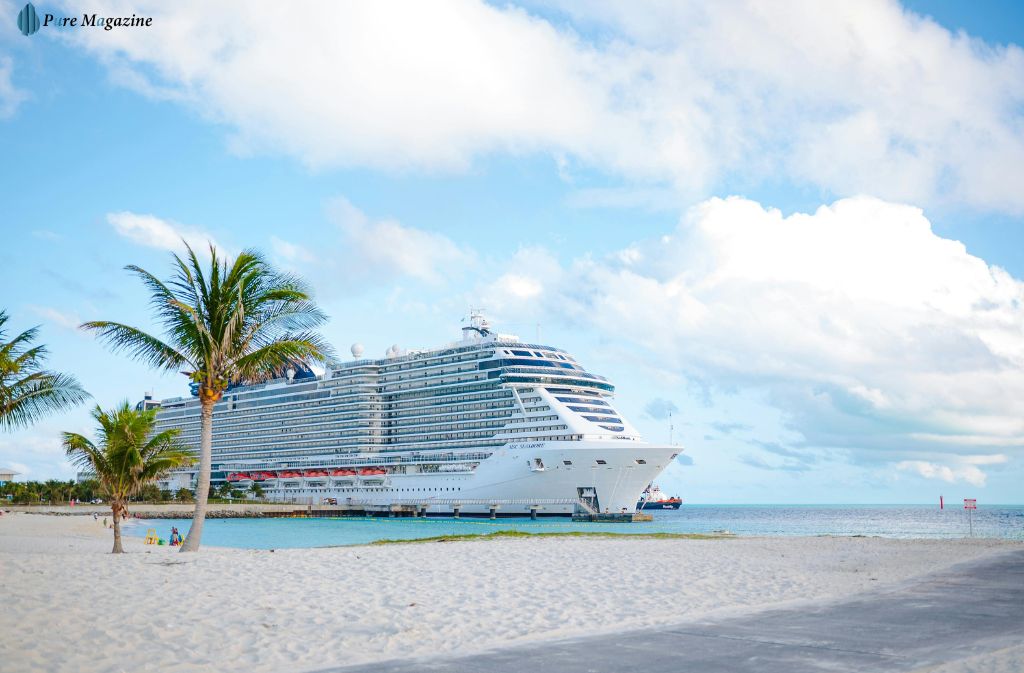
For some people, the journey itself is the point. Not the bit you endure before the holiday starts, but an actual, meaningful part of the experience. Slow travel tends to bring to mind train rides through countryside, long walks, canal boats or spending a proper stretch of time in one place, but the sea fits into that idea rather well too. A cruise means you can move between places without the constant ritual of packing bags, hunting for taxis and working out which floor your new hotel room is on.
For readers in the Blackmore Vale, where rural life tends to foster a real attentiveness to landscape and season, this kind of unhurried travel might already feel instinctively appealing. Those weighing up island-hopping routes or warmer winter destinations might find themselves looking at Caribbean cruise deals alongside other itineraries, just to get a sense of what’s out there.
Travel That Allows Time to Settle
What slow travel offers, more than anything, is the chance to actually settle into a journey. On a cruise, your cabin stays the same throughout. The scenery shifts around you, but your space doesn’t. For anyone who finds the constant hotel-to-hotel shuffle a bit wearing, that continuity makes a real difference.
There’s something quietly satisfying about watching a coastline come into view gradually, or seeing a harbour emerge through early morning mist. Rather than touching down suddenly at an airport and being deposited into a new place before you’ve quite caught up with yourself, the approach becomes part of the memory. The sea isn’t just the route, it’s part of the atmosphere of the whole thing.
The Value of Sea Days
Sea days are often underestimated by first-time cruisers. Treated well, they can be some of the best days of the trip. A day with no port, no excursion and no particular agenda gives you room to read, walk the deck, attend a talk, linger over lunch or simply stand and watch the water for longer than is probably sensible.
For people who usually take quite busy holidays, sea days can come as a genuine relief. No gates to reach, no check-in queues, no decisions about transport. The day just opens up. This is really where cruising connects most naturally to the slow travel idea, movement stops being dead time and becomes something worth paying attention to in its own right.
Seeing Several Places Without Constant Transfers
Cruising is also a surprisingly practical way to see a range of destinations without the exhausting cycle of transfers that usually comes with it. Anyone who’s done a multi-stop trip on land will know the routine: pack, check out, get to the station or airport, wait, travel, arrive somewhere unfamiliar, check in, unpack, find your feet, then repeat it all in a few days.
On a cruise, most of that movement happens overnight, or while you’re sitting at dinner, or watching something on deck. You wake up somewhere new without having done anything particularly effortful to get there. Shore days can still be active and full, the difference is simply that you arrive with more energy to actually enjoy them.
A Different Way to Experience Islands
For island destinations especially, arriving by sea feels right in a way that flying rarely does. You get a proper sense of the geography, the distance between places, the shape of the coastline, the way the land sits in the water. It’s a more honest way of understanding where you are.
In the Caribbean, each island tends to have its own distinct character: different histories, different food, different music and landscape. One stop might be a lively harbour town with crowded colourful streets; another might be quieter, better known for its beaches or botanical gardens or local markets. A slower approach doesn’t mean trying to do all of it. Often it means picking one or two things and giving them proper attention: a walk, a meal somewhere local, an hour sitting in the shade watching the world go by.
Connecting Landscape, Weather and Place
People from the Blackmore Vale will understand how much landscape can shape the texture of daily life. Rolling fields, shifting skies, the feel of particular seasons, all of it contributes to a sense of where you are. Travel at sea offers something similar, just expressed differently.
The view from a ship changes constantly. Light moving across water, cloud formations building on the horizon, islands appearing in the distance, the particular quality of the air at different times of day- it all adds up. Even the weather becomes part of the story. A slow traveller pays attention to this sort of thing rather than simply waiting to arrive.
Balancing Rest and Exploration
Cruises are sometimes assumed to be either completely passive or relentlessly scheduled. Neither is quite right. How the time gets used is largely up to you. There’s room for guided excursions, independent wandering, museum visits, long lunches, beach afternoons and quiet time on deck, often on the same trip.
For slow travellers, finding the right balance between activity and rest matters. Leaving some room in the plan is usually a good idea. Not every port day needs an itinerary. Some of the most enjoyable hours happen when you simply follow your instincts once ashore, wander in a direction that looks interesting, stop somewhere that seems worth stopping at.
Practical Considerations Before Travelling
Even a relaxed style of holiday needs some advance thought. For longer voyages, it’s worth checking passport validity, travel insurance, any entry requirements and relevant health guidance well ahead of time. Pack for the climate but remember that ships, like most places with air conditioning, can be cold indoors regardless of what’s happening outside.
Comfortable footwear matters more than many people expect; port towns often have uneven streets and more walking than anticipated. For those travelling from rural areas, it’s also worth thinking about the journey to the departure port. An overnight stay nearby, or simply allowing more time than feels strictly necessary, can mean the holiday begins without a frantic start.
Why the Journey Matters
Slow travel isn’t really about going slowly for its own sake. It’s about how a journey feels, whether it leaves room for observation, for settling in, for noticing things. A cruise, at its best, does all of that. The days have a shape to them. Places arrive rather than being rushed at. There’s time between destinations to absorb where you’ve just been.
For Blackmore Vale readers who already live with an eye on landscape and season, travel by sea offers something genuinely compatible with that sensibility, a way to see more of the world without needing to turn it into a race.
For more, visit Pure Magazine