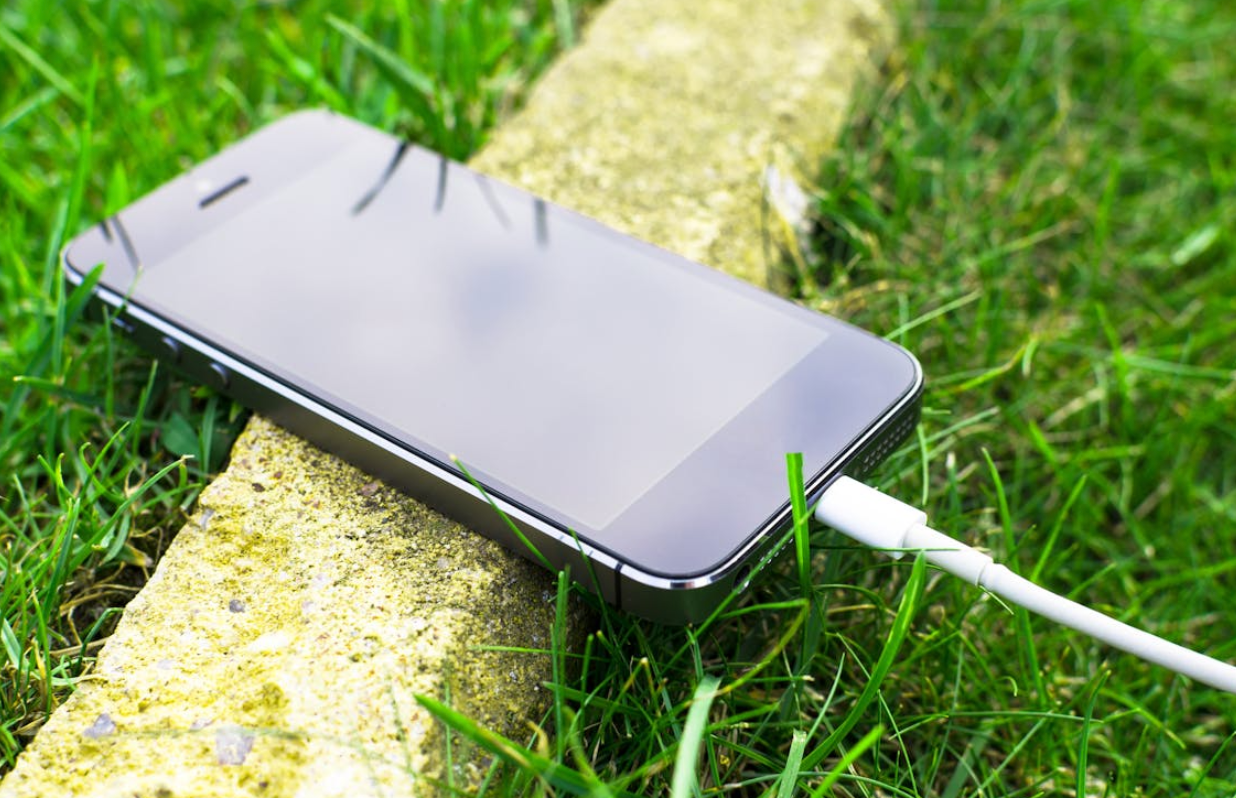
You plug in your phone before bed, wake up eight hours later, and the battery is at 12%. You’ve already blamed the outlet. You’ve restarted the phone. You’ve swapped wall adapters. And yet, nothing. Here’s what most people overlook: the cable itself. That fraying, slightly bent cord you’ve been using for two years might be quietly killing your charging routine.
Knowing the right charger replacement signs early protects your device, your budget, and genuinely, your peace of mind. According to Consumer Reports, quality cables can survive over 11,500 bends, roughly six years of daily use, before failing, which means most cables dying far sooner are doing so prematurely.
Key Indicators You Should Replace Your Charger or Cable
Most people wait until their charger completely dies. By then, the damage to the device and potentially to personal safety has already compounded. Catching the warning signs early changes everything.
Visible Damage and Physical Wear
This is where instinct matters. Frayed insulation, bent connectors, exposed copper wiring, melted casing- these aren’t cosmetic issues. They’re seriously damaged charger symptoms that demand immediate action. If you can see the inner wire strands, stop using the cable. Right now. There’s no “it still kind of works” category when exposed wiring is involved.
Physical deterioration almost always signals deeper internal compromise. What looks bad on the outside is usually worse on the inside.
Intermittent or Slow Charging
Ever had to prop your phone at a specific angle just to keep it charging? That’s internal conductor failure, classic cable charging issues that most people shrug off until they can’t anymore.
Likewise, a phone that used to charge in 90 minutes now takes three hours isn’t just inconvenient; it’s a signal. If you’ve ever searched how to fix phone not charging, these are exactly the kinds of warning signs you shouldn’t ignore.
Knowing when to replace a charger cable often comes down to recognizing these subtle performance shifts before they escalate into a full breakdown.
Excessive Heat or Burning Smell
A slightly warm charger during use? Normal. A charger that’s genuinely uncomfortable to touch? That’s a different conversation entirely, and one of the most urgent charger replacement signs you’ll encounter. If there’s also a burning smell, you’re looking at a possible electrical fault that poses real fire risk.
Overheating typically means increased internal resistance from a damaged cable or adapter. Using it anyway isn’t brave; it’s genuinely hazardous.
Loose or Unstable Connection
When a connector wobbles, pops out repeatedly, or only charges when held at a particular angle, the problem usually lies in worn connector pins. It seems like a minor annoyance. It isn’t. A persistently loose connection stresses your device’s charging port over time, and that transforms a $10 cable problem into a $100+ repair situation without warning.
When the connector no longer fits firmly, replace the charging cable without hesitation. That’s the only practical call.
Performance Failures and Certification Loss
If your device throws a message like “charging not supported with this accessory,” your phone is actively flagging a problem. These system alerts are some of the clearest charger replacement signs available; they typically indicate internal failure or a non-certified accessory.
Counterfeit cables bypass the safety standards that legitimate products must pass. And once a charger has been improperly repaired or tampered with, those certifications are void regardless.
Once you know the warning signs, the next question is practical: what do you do when a replacement isn’t immediately at hand?
Immediate Actions You Can Take
Start simple. Swap only the cable, then only the adapter, to isolate which component has failed. For superficial outer insulation damage alone, electrical tape or heat-shrink tubing can serve as a short-term patch, but that’s the full extent of it. A temporary fix, nothing more.
While you wait for a replacement, charge on hard, non-flammable surfaces, use GFCI-protected outlets, and monitor temperature closely. These aren’t dramatic measures. They’re sensible habits that reduce real risk.
Short-term workarounds buy time. Lasting protection comes from what you commit to going forward.
Proactive Steps to Avoid Charger and Cable Failure
Prevention almost always beats replacement. A few consistent habits extend the life of your charging gear significantly.
Proper Handling and Storage
Understanding when to replace a charger cable gets easier when you understand what destroys cables in the first place. Tight coils, sharp bends, heat exposure, and moisture contact are the everyday culprits. Always pull by the connector, never the wire. Store cables loosely. Small discipline, big returns.
Choose Durable, Certified Products
Good habits only carry so far if the cable itself is built cheaply. When the time comes to replace the charging cable, prioritize reinforced strain-relief construction and verified safety certifications, UL or CE at a minimum. Brands like Apple and Anker back their products with warranties worth trusting.
Worth noting: over 66% of new smartphones released in 2024 eliminated bundled chargers, pushing more consumers into the aftermarket cable market than ever before.That makes quality selection not just wise, it’s critical.
Regular Monitoring and Maintenance
Staying ahead of cable charging issues means building inspection into your routine. Monthly visual checks, connector cleaning, and retiring cables older than one to two years go a long way. A basic multimeter can catch internal faults long before they surface as charging failures.
Frequently Asked Questions
1. What are the early signs that a charger or cable is failing?
Intermittent charging, angle-dependent connections, excessive heat, or visible fraying. Any of these represent damaged charger symptoms that shouldn’t be dismissed, especially heat or exposed wiring.
2. How long should a charging cable last?
Quality cables can hold up for several years. Most, however, show meaningful wear within one to two years of regular daily use. Inspect consistently and don’t wait for complete failure.
3. Can a frayed cable be safely repaired at home?
Electrical tape covers surface insulation damage; it doesn’t fix internal conductor failure or restore safety certifications. For anything beyond purely cosmetic damage, full replacement is the responsible choice.
4. Why does my phone say “charging not supported with this accessory”?
The cable or adapter has either failed internally or isn’t certified. That message is one of the most direct charger replacement signs your device can communicate; act on it immediately.
5. How do I know if the port or cable is the problem?
Try a known-good cable. Charging resumes normally? The original cable was the culprit. Still nothing? The port likely needs professional attention. A 30-second diagnostic that saves real time and money.
Protecting Your Charging Setup
Recognizing a failing charger or cable isn’t technically demanding; it just requires paying attention. Frayed insulation, sluggish charging speeds, unusual heat, unstable connections, and error messages are all signs that your devices are not communicating clearly.
A replacement cable costs almost nothing compared to a damaged port or a fire risk. Invest in certified gear, handle it deliberately, and make routine inspection a professional habit. Don’t wait for the spark; replace before the risk arrives.
For more, visit Pure Magazine