


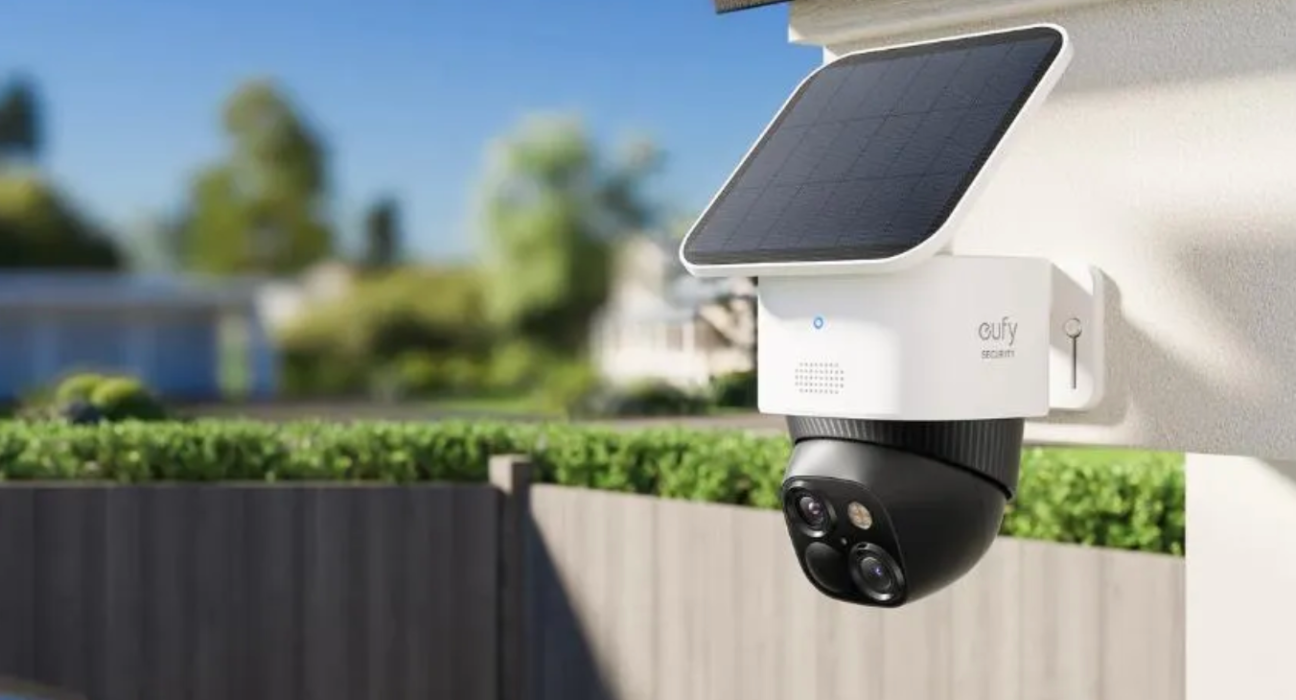
Security cameras protect your home, but not every camera fits every space. Indoor and outdoor models handle different conditions, threats, and privacy needs, so choosing the wrong type can leave blind spots or wasted features. Outdoor cameras focus on deterring intruders and surviving harsh weather. Indoor cameras capture what happens once someone steps inside and help you check on family, pets, or valuables. This guide breaks down key differences, core features, and practical use cases, so you can build a camera setup that actually matches your home.
Key Differences Between Indoor and Outdoor Security Cameras
Design, Build Quality, and Weather Resistance
Indoor and outdoor cameras look similar at a glance, but their construction differs a lot. Outdoor cameras usually have metal or rugged plastic housings, sealed ports, and IP-rated weatherproofing to handle rain, dust, heat, and cold. Many also include vandal-resistant mounts and casings. Indoor cameras often use lighter materials, smaller footprints, and more flexible stands that suit shelves or countertops. They do not need weather seals, so they cost less and look less bulky. When you choose, always check the IP rating and operating temperature range.
Placement, Coverage, and Use Cases
You typically mount outdoor cameras on eaves, walls, or above doors and driveways to watch entry points, yards, garages, and pathways. Their job is to spot strangers before they get inside and to capture license plates or faces. Indoor cameras cover hallways, living rooms, nurseries, home offices, and key choke points between doors and bedrooms. People use them to monitor kids, check on pets, and confirm alarms. Coverage needs differ: outdoor views are wide and open, while indoor views focus on high-traffic areas and valuable items.
Visibility, Deterrence, and Monitoring Goals
Outdoor cameras often stay clearly visible on purpose. A noticeable camera, sometimes paired with a security sign or motion spotlight, discourages trespassers and package thieves. These devices support proactive security: deter, detect, and record incidents. Indoor cameras have different goals. Many owners prefer discreet designs that blend into the décor to avoid making family or guests uncomfortable. Indoors, cameras help validate alerts, document break-ins, and monitor specific rooms. When you plan your system, decide whether you want to deter crime, gather evidence, check on loved ones, or all three.
Features That Define Indoor and Outdoor Cameras
Video Quality, Night Vision, and Viewing Angles
Both indoor and outdoor cameras now offer HD or 2K+ resolution, but needs differ by location. Outdoor cameras benefit from higher resolution to capture details like faces at a distance and activity across driveways or yards. They often add powerful infrared or full-color night vision with spotlights for clearer footage in the dark. Indoor cameras can work well with standard 1080p resolution and softer infrared LEDs that do not disturb sleep. Viewing angles matter too: wide angles suit open areas, while narrow lenses fit hallways or entrances.


Motion Detection, AI Alerts, and Smart Features
Modern camera systems rely heavily on smart motion detection to avoid constant, useless alerts. Many outdoor cameras use AI to detect people, vehicles, and sometimes packages, reducing notifications from trees, shadows, or passing animals. Indoor cameras may add person detection, pet detection, and sound detection for crying or alarms. Smart features such as activity zones, scheduling, and automation with smart lights or locks improve both types. Integration with voice assistants and routines lets you arm, disarm, or view live feeds with simple app taps or voice commands.
Connectivity, Storage Options, and App Control
Both indoor and outdoor security cameras often connect via Wi-Fi, though some outdoor models offer Ethernet or PoE for stable power and data. Storage options include cloud plans, local microSD cards, or recording to a network video recorder. Outdoor cameras benefit from reliable power and network connections because they run continuously. Indoor units sometimes rely on USB power and flexible placement. A unified mobile app matters most: it lets you adjust settings, review timelines, talk through two-way audio, and manage multiple cameras and locations without juggling different platforms.
Choosing the Right Camera Setup for Your Home
When to Use Indoor Cameras vs Outdoor Cameras
Outdoor cameras make sense anywhere someone can enter or move around your property: front doors, side doors, garages, gates, and yards. They provide an early warning and visible protection layer. Indoor cameras help when you want to watch what happens after entry or monitor everyday life: kids arriving from school, elderly relatives, or pets. You might skip indoor cameras in private spaces but use them in common areas and high-value rooms. The best choice depends on your layout, risk level, and comfort with cameras inside the home.
Combining Indoor and Outdoor Cameras for Full Coverage
Many homeowners get the best results by combining both types into a layered system. Start outdoors by covering each entry point and key approaches like driveways and back gates. Then add indoor cameras to watch main hallways, living spaces, and rooms with valuable items or critical equipment, such as network gear or safes. Use the same brand or compatible ecosystem when possible to streamline alerts and app control. By linking motion events, you can see how someone moved from outside to inside and build a clear incident timeline.
Conclusion
Indoor and outdoor security cameras serve different roles, even when they share similar specs on paper. Outdoor models emphasize durability, deterrence, and wide coverage of entry points and yards. Indoor cameras focus on everyday monitoring, privacy-friendly placement, and detailed views of what happens inside. When you understand these differences and match camera types to each area of your home, you reduce blind spots and cut down on unnecessary notifications. Plan around your lifestyle, property layout, and budget, and build a balanced system that actually supports your safety goals.
For more, visit Pure Magazine