


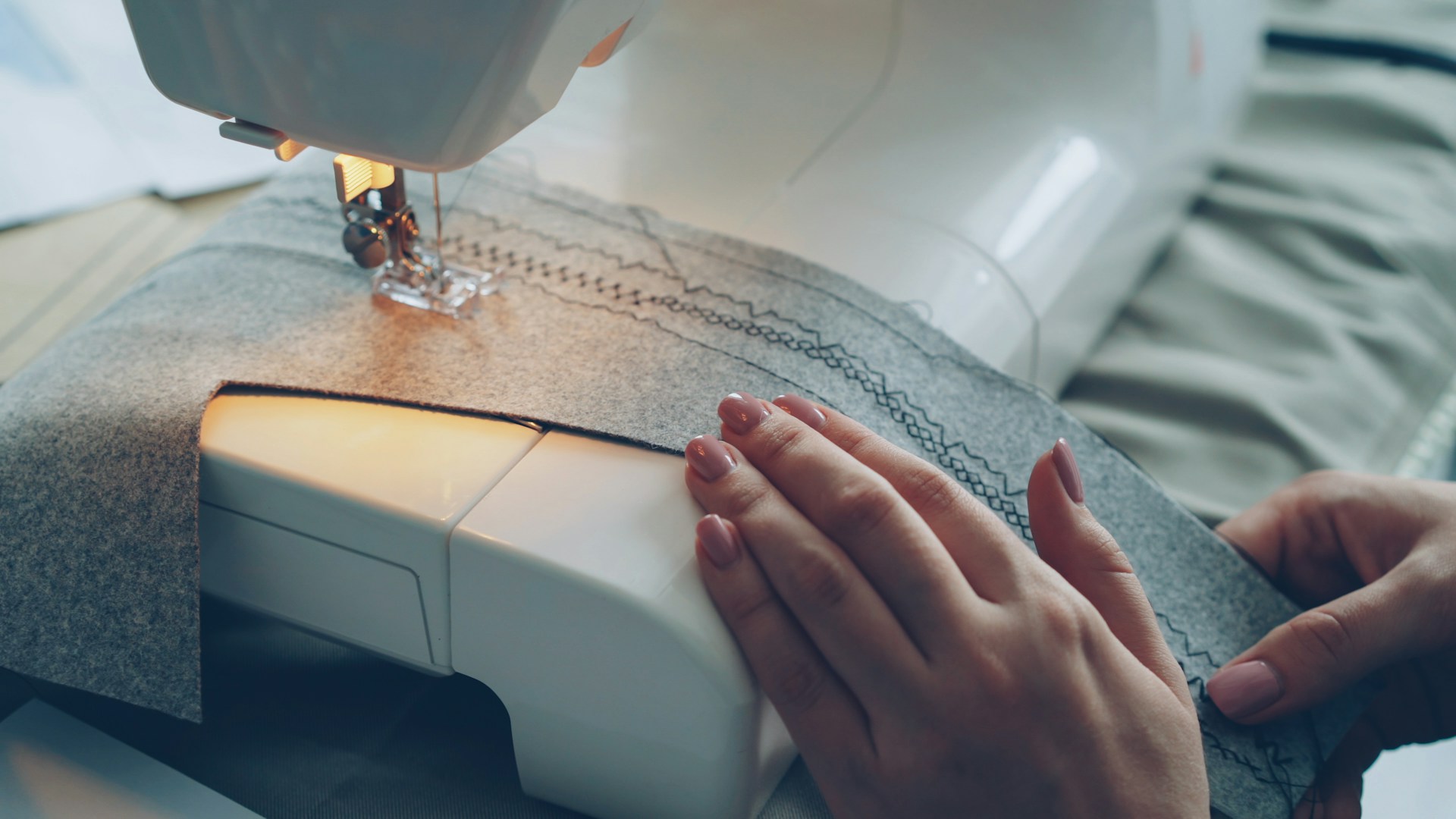
Vintage & Modern Sewing Machines require careful attention when issues arise, such as stalled operation, skipped stitches, or unusual noises. For eCommerce sellers, repair shops, and small businesses that rely on timely repairs, choosing the right replacement component isn’t just about restoring function—it’s about protecting reputation, reducing return rates, and keeping production timelines on track. This article explains why quality replacement sewing machine parts matter, how to spot worn or counterfeit pieces, and which buying and maintenance practices ensure long-term reliability.
Why Quality Replacement Parts Matter
The lifespan and performance of a sewing machine depend heavily on the quality of its components. A high-quality needle, belt, or motor can mean the difference between consistent stitching and repeated breakdowns. For ecommerce businesses and repair shops, inferior parts increase warranty claims, generate negative reviews, and drive up labor costs due to repeated service calls.
Beyond obvious cost implications, there are less visible risks: counterfeit components can damage more expensive assemblies, electrical failures can create safety hazards, and mismatched parts can void manufacturer warranties. Purchasing trusted replacement parts reduces downtime, ensures predictable inventory turnover, and preserves customer trust, all critical metrics for online sellers and service providers in competitive niches.
Finally, quality parts support accurate listings and fewer returns. Clear photographs, manufacturer part numbers, and verified compatibility reduce confusion for buyers and cut the friction involved in returns and exchanges.
Common Sewing Machine Parts To Monitor And Replace
Sewing machines contain mechanical, electrical, and consumable components. Some wear faster than others and should be monitored regularly to prevent failures.
Needles, Bobbins, And Thread Path Components
Needles and bobbins are consumables that wear with use. Bent or dull needles cause skipped stitches and fabric damage: worn bobbin cases lead to tension problems. Thread path parts, tension discs, thread guides, and presser feet, can accumulate lint and deform over time, creating friction and snags. For sellers and repair shops, stocking a range of needle types (ballpoint, universal, denim) and bobbin styles for popular machines reduces turnaround time.
Belts, Gears, Motors, And Drive Components
Belts stretch, gears wear, and motors lose torque. Drive belts are simple to replace but critical: slipping belts cause inconsistent stitch length. Gears inside older mechanical machines can develop chipped teeth, leading to noisy operation or skipped drive cycles. Motors, especially in high-use commercial machines, may require brushes or full replacement. High-quality, properly sized belts and matched gear sets are essential to restore factory performance.
Electrical Parts, Switches, And Sensors
Modern machines include sensors, foot controllers, power switches, and wiring harnesses. Faulty switches or damaged wiring can lead to intermittent power loss or more dangerous short circuits. Sensors that detect thread breaks or fabric thickness degrade over time, giving false positives. Replacing these parts with certified equivalents minimizes electrical risk and ensures safety compliance.
How To Identify Worn, Counterfeit, Or Poor-Quality Parts
Recognizing poor parts early prevents cascading failures. Sellers and technicians should use both visual inspection and performance testing.
Inspecting Parts Physically: What To Look For
Look for manufacturer stamps or part numbers, uniform finishes, and proper materials. Signs of counterfeit or low-quality components include rough casting marks, unusual odors (manufacturing residue), inconsistent dimensions, and missing packaging or paperwork. For electrical parts, check connector types, insulation quality, and UL/CE markings when applicable.
Compare suspicious parts to genuine ones when possible. Even small dimensional differences in bobbin cases or shaft splines can result in misalignment. For belts and gears, inspect tooth profiles and material hardness: soft plastics wear quickly.
Performance Symptoms That Point To Part Failure
Common symptoms include:
- Erratic stitching or skipped stitches, often needles, tension assemblies, or timing issues.
- Unusual vibration or grinding noises, usually bearings, gears, or misaligned shafts.
- Intermittent power or no-start conditions, could be foot controllers, switches, or wiring.
- Excess thread breakage or tension issues, bobbin cases, tension discs, or worn needles.
Document symptoms and replicate them before replacing parts. This saves time and prevents unnecessary part swaps, which is especially important when parts inventory is costly.
Choosing Replacement Parts: OEM Vs. Aftermarket Vs. Remanufactured
Choosing the right source for replacement parts involves trade-offs in cost, availability, and reliability. Understanding the differences helps ecommerce sellers and repair shops decide what to stock and recommend.
Pros And Cons Of OEM Parts
Original Equipment Manufacturer (OEM) parts match factory specifications and usually carry manufacturer support or warranty coverage. Pros: guaranteed fit, consistent quality, and compatibility with warranty terms. Cons: higher cost and occasional longer lead times. For high-value machines, OEM parts minimize downstream risk and are often preferred for warranty-sensitive repairs.
When Aftermarket Or Remanufactured Parts Make Sense
Aftermarket parts are produced by third parties and can offer lower prices and faster availability. Quality varies widely: some aftermarket suppliers produce excellent components, others cut corners. Remanufactured parts, especially motors and electronic modules, are rebuilt to a standard and can provide near-OEM performance at reduced cost.
Aftermarket or remanufactured options make sense when:
- The machine is out of warranty and cost-sensitivity is high.
- The replacement part is consumable (needles, belts) and performance standards are well known.
- The supplier provides clear testing and warranty terms.
Ecommerce sellers should vet aftermarket suppliers carefully and test samples before listing them as compatible to avoid returns and complaints.
Buying Criteria For Ecommerce Sellers And Repair Shops
When sourcing replacement parts, structured buying criteria reduce risk and protect margins.
Supplier Vetting: Certifications, Reviews, And Return Policies
Prioritize suppliers with industry certifications, transparent testing procedures, and responsive return policies. Check third-party reviews and ask for sample test data when procuring critical components like motors or PCBs. Clear, seller-friendly return policies protect cash flow and mitigate the risk of receiving non-conforming parts.
Inventory, Part Compatibility, And Clear Product Data
Keep detailed SKU lists, cross-reference OEM numbers, and display compatibility charts for online listings. Accurate product data, photos, measurements, and part numbers, reduces misorders. For repair shops, maintain a parts matrix keyed to the machine makes and models commonly serviced.
Pricing, Shipping, And Warranty Considerations
Balance cost against expected failure rates and lead times. Fast shipping matters for repair shops and ecommerce sellers who promise quick fulfillment. Warranties are vital: seek suppliers that offer at least a 90-day warranty on mechanical parts and longer on remanufactured electrical modules. For high-volume sellers, negotiate volume discounts and favorable return terms to protect margins.
Installation, Maintenance, And Best Practices To Extend Part Life
Proper installation and routine maintenance extend part life and reduce total cost of ownership.
Basic Installation Tips And Safety Precautions
Follow manufacturer torque specs for fasteners and align shafts before tightening couplings to avoid bearing stress. For electrical replacements, disconnect power and verify correct wiring diagrams: mark connectors during disassembly to ensure correct reassembly. Use thread-locking compounds where recommended, but avoid overuse which can complicate future repairs.
Routine Maintenance Checklist To Prevent Premature Wear
A short maintenance checklist keeps machines running longer:
- Clean lint and dust weekly from bobbin areas and feed dogs.
- Oil lubrication points monthly, using manufacturer-recommended lubricants.
- Replace needles regularly based on usage (every 8–10 hours for heavy fabrics).
- Inspect belts and gears for wear every 3–6 months depending on workload.
- Test electrical components annually and replace foot controllers or cords showing wear.
Document maintenance actions per machine to create predictable service intervals and reduce surprise failures.
When To Consult A Professional Technician
Complex timing issues, motor coil failures, and PCB faults typically require trained technicians. Repair shops should triage repairs: handle simple consumables in-house and outsource complex electronic or mechanical overhauls to certified technicians to avoid costly mistakes.
Where To Find Trustworthy Replacement Parts Online
Sourcing reliable parts online requires a mix of brand awareness and seller due diligence.
Brand Dealers, Specialist Suppliers, And Verified Marketplaces
Start with authorized brand dealers for OEM components. Specialist suppliers that focus on sewing-machine parts often provide better product data and technical support than general marketplaces. Verified marketplaces with strong seller vetting and return protections are useful for aftermarket and remanufactured parts, but buyers should validate seller ratings and review histories carefully.
Signals Of Reliable Listings And Seller Transparency
Trustworthy listings include clear OEM cross-references, multiple high-resolution photos, dimensional drawings, and compatibility lists. Seller transparency shows in prompt communication, published test procedures, and straightforward warranty language. For ecommerce sellers and agencies managing product feeds, linking to manufacturer datasheets in product descriptions improves conversion and reduces chargebacks.
Conclusion
Reliable replacement sewing machine parts reduce downtime, protect margins, and preserve customer trust. For ecommerce sellers and repair shops, the right strategy blends OEM confidence with vetted aftermarket options, strict supplier checks, and disciplined maintenance. Investing a little more time in supplier vetting, compatibility checks, and clear product data pays off in fewer returns and repeat customers.
That combination, quality parts, solid processes, and helpful content, is a dependable pathway to fewer service headaches and stronger online sales.
For more, visit Pure Magazine