


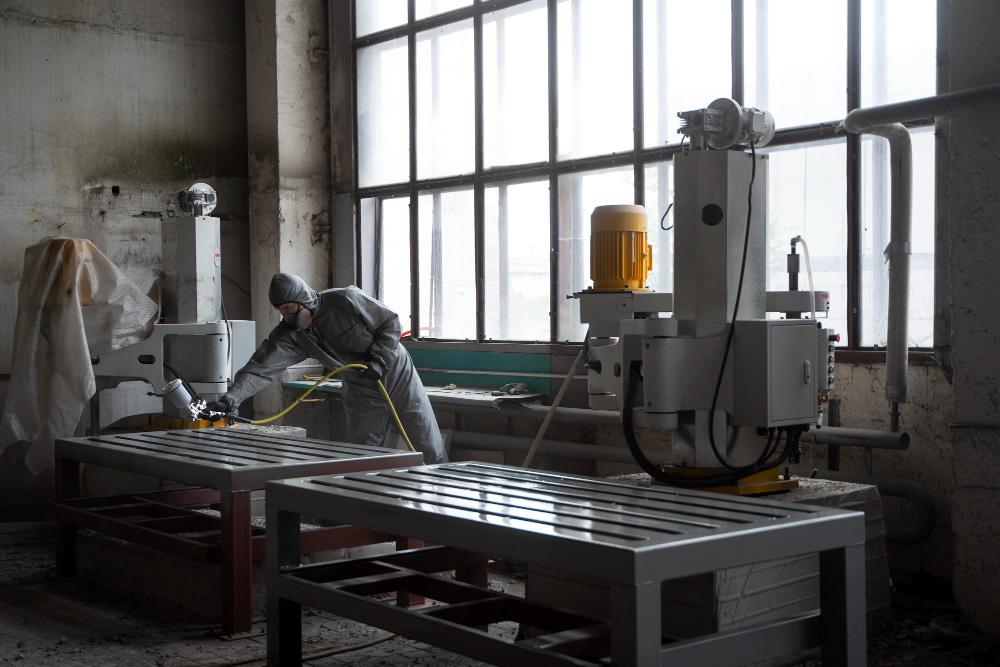
Production bottlenecks are one of the most common—and costly—challenges in manufacturing. When welding operations slow down, the effects ripple through the entire production line, causing missed deadlines, increased labor costs, and frustrated teams. As demand grows and skilled labor becomes harder to find, many manufacturers are rethinking how their welding processes are designed.
Smarter welding automation isn’t just about adding machines to the shop floor. It’s about identifying where delays occur and using technology strategically to create smoother, more predictable workflows. This article explores how thoughtful automation helps reduce bottlenecks, improve throughput, and support both productivity and quality.
Understanding Where Welding Bottlenecks Come From
Before solving bottlenecks, it’s important to understand why they happen. Welding often becomes a constraint because it sits at the intersection of labor, quality control, and material flow.
Common causes of welding bottlenecks include:
- Dependence on a limited number of skilled welders
- Inconsistent cycle times between shifts or operators
- Excessive rework caused by quality issues
- Long setup times for repeat jobs
- Poor coordination with upstream or downstream processes
When welding slows, everything else waits—assembly, finishing, and shipping all feel the impact.
Why Manual Welding Struggles to Scale
Manual welding is highly skill-dependent. While experienced welders produce excellent results, human factors like fatigue, shift changes, and variability in technique can slow production.
Challenges with scaling manual welding include:
- Difficulty maintaining consistent output
- Increased errors during long production runs
- Limited ability to add capacity without hiring
As production volumes rise, relying solely on manual processes often leads to backlogs and stress on both workers and equipment.
How Smarter Automation Targets Bottlenecks
Welding automation works best when it’s applied strategically rather than universally. The goal isn’t to automate everything—it’s to automate the right tasks.
Smarter automation focuses on:
- High-volume, repetitive welds
- Parts with consistent geometry
- Processes that currently cause delays
By targeting these areas, manufacturers can free up skilled welders to handle complex or custom work while automation handles predictable tasks efficiently.
Improving Cycle Times and Throughput
One of the most immediate benefits of welding automation is improved cycle time. Automated systems can operate at consistent speeds without breaks, fatigue, or variation.
Key throughput improvements include:
- Faster weld speeds with controlled parameters
- Reduced downtime between parts
- Predictable production rates
With automation, production managers can plan schedules more accurately and avoid last-minute bottlenecks caused by unexpected slowdowns.
Reducing Rework and Quality Delays
Rework is a hidden bottleneck that many operations underestimate. Even small weld defects can cause significant delays when parts need to be repaired or scrapped.
Automation reduces rework by:
- Maintaining consistent heat input and travel speed
- Repeating weld paths precisely
- Minimizing human error
Fewer defects mean parts move through production faster, inspections go smoother, and delivery timelines become more reliable.
Minimizing Setup and Changeover Time
Frequent changeovers are another common source of production delays. Manual setups often require skilled adjustments and trial runs, which can eat into valuable production time.
Smarter welding automation addresses this by:
- Using programmable weld parameters
- Storing job recipes for repeat parts
- Reducing reliance on manual fine-tuning
Once a process is dialed in, switching between jobs becomes faster and more predictable.
Supporting Workforce Efficiency, Not Replacing It
One of the biggest misconceptions about welding automation is that it replaces workers. In reality, it often makes better use of existing talent.
Automation helps by:
- Allowing operators to oversee multiple systems
- Reducing physical strain and fatigue
- Shifting skilled welders into programming, inspection, or complex fabrication roles
This improves job satisfaction while ensuring production doesn’t stall when staffing is tight.
Integrating Automation Into the Production Flow
Automation is most effective when it fits seamlessly into the broader production process. Poor integration can create new bottlenecks instead of solving existing ones.
Successful integration considers:
- Material handling before and after welding
- Coordination with cutting, machining, and assembly
- Clear communication between departments
Well-designed robotic welding cells, for example, are often positioned to keep parts moving smoothly rather than piling up at one station.
Scaling Production Without Adding Chaos
As demand grows, many manufacturers struggle to scale without introducing inefficiencies. Hiring more welders or adding overtime isn’t always sustainable.
Automation enables scalable growth by:
- Increasing output without proportional labor increases
- Supporting multi-shift or lights-out operations
- Maintaining quality as volume rises
This scalability allows businesses to respond to market demand without overwhelming their teams or compromising standards.
Data and Visibility Reduce Guesswork
Modern welding automation systems often include data tracking and monitoring capabilities. This visibility helps identify emerging bottlenecks before they become serious problems.
Benefits of data-driven insight include:
- Monitoring cycle times and downtime
- Identifying quality trends early
- Supporting continuous improvement initiatives
With accurate data, production decisions are based on facts rather than assumptions.
Final Thoughts: Bottleneck Reduction Is a Process, Not a One-Time Fix
Reducing production bottlenecks doesn’t require a complete overhaul of your welding operation. It starts with identifying where delays occur and applying smarter automation where it makes the biggest difference.
When used thoughtfully, welding automation improves flow, consistency, and reliability—helping production teams work more efficiently without added stress. The result is a smoother operation, happier workers, and a production line that keeps moving forward instead of getting stuck.
For more, visit Pure Magazine