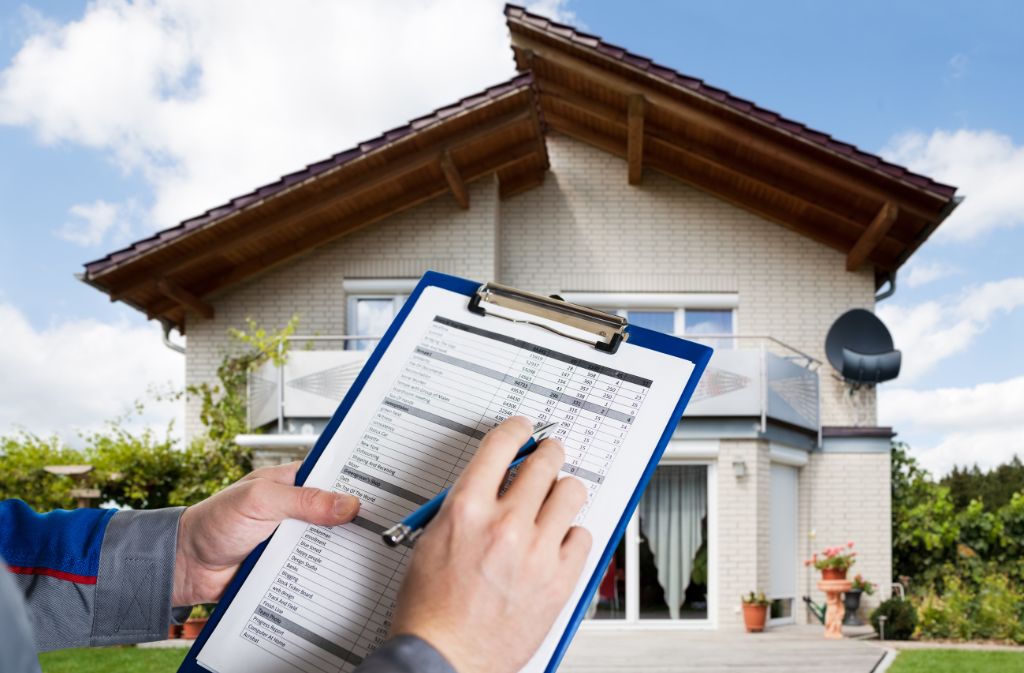
Owning a property comes with ongoing responsibilities, and while some maintenance tasks are easy to postpone, ignoring small issues can often lead to expensive repairs later. Water damage, structural problems, electrical faults, and neglected exterior areas can all escalate faster than many homeowners expect. The good news is that preventative maintenance is usually far cheaper and less stressful than dealing with emergency repairs.
By staying proactive and carrying out regular checks around your home, you can protect your property, improve safety, and avoid unnecessary costs in the future.
Keep Gutters and Drains Clear
Blocked gutters are one of the most common causes of property damage. Leaves, moss, dirt, and debris can quickly build up, preventing rainwater from draining properly. When water overflows, it can seep into walls, damage roofing materials, and even weaken foundations over time.
Regular gutter maintenance is particularly important during autumn and winter when debris tends to accumulate more rapidly. If left untreated, overflowing gutters can also lead to damp patches, mould growth, and rotting fascia boards.
Scheduling professional gutter cleaning in Manchester can help keep drainage systems functioning properly and reduce the risk of long-term water damage around your property.
Inspect Your Roof Regularly
Roof problems are often difficult to spot until serious damage appears inside the home. A small cracked tile or loose flashing may not seem urgent, but over time, water can penetrate the roof structure and cause significant issues.
Carrying out visual roof inspections a few times a year can help identify early warning signs, including:
- Missing or damaged tiles
- Sagging areas
- Blocked roof valleys
- Moss growth
- Water stains in loft spaces
It’s also worth checking after periods of heavy wind or storms, as weather conditions can loosen materials without being immediately noticeable from ground level.
Prevent Damp and Condensation
Damp is more than just an aesthetic issue. Persistent moisture can weaken plaster, damage timber, and create unhealthy living conditions due to mould growth. Condensation is especially common in kitchens, bathrooms, and poorly ventilated rooms.
Simple preventative measures can make a huge difference, including:
- Opening windows regularly
- Using extractor fans
- Avoid drying clothes indoors where possible
- Keeping heating consistent during colder months
- Repairing leaks quickly
It’s important not to ignore small damp patches. Minor condensation problems can eventually develop into larger structural concerns if moisture is allowed to build up over time.
Check for Hidden Plumbing Leaks
A leaking pipe under a sink or behind a wall can quietly cause extensive damage before becoming obvious. Water leaks may lead to warped flooring, damaged plaster, mould growth, and increased utility bills.
Signs of hidden leaks include:
- Unexplained damp smells
- Peeling paint or wallpaper
- Reduced water pressure
- Water stains on ceilings or walls
- Unexpected spikes in water usage
Regularly inspecting exposed pipework and paying attention to changes around your home can help catch plumbing problems before they become expensive emergencies.
Maintain Exterior Brickwork and Pointing
Brickwork naturally deteriorates over time due to exposure to weather conditions. Cracked mortar joints and damaged pointing can allow moisture to penetrate the structure, leading to frost damage and weakened walls.
Repointing damaged areas early helps preserve the integrity of the building and prevents water from entering vulnerable sections of the property. It’s also wise to inspect exterior walls for cracks, movement, or signs of vegetation growth, as climbing plants can sometimes trap moisture against surfaces.
Protect Wooden Features From Rot
Wooden doors, fences, decking, and window frames are all vulnerable to moisture damage if not properly maintained. Rot can spread quickly once water penetrates untreated timber, eventually weakening structures and creating costly replacement jobs.
To protect wooden features:
- Apply weatherproof treatments regularly
- Repaint exposed wood when needed
- Remove standing water from decking areas
- Trim back plants touching timber surfaces
- Replace damaged sections promptly
Small maintenance tasks can significantly extend the lifespan of exterior wooden structures.
Service Your Heating System
Boilers and heating systems often receive attention only when something goes wrong. Unfortunately, unexpected heating failures can be expensive and highly inconvenient, especially during winter.
Annual servicing helps identify worn components before they fail and ensures the system operates efficiently. Bleeding radiators, monitoring boiler pressure, and listening for unusual noises can also help spot issues early.
A well-maintained heating system not only reduces repair costs but can also improve energy efficiency and lower household bills.
Watch for Pest Problems
Pests can cause surprising amounts of property damage if left unchecked. Rodents may chew electrical wiring, insects can damage timber, and birds sometimes block gutters or roof spaces.
Preventative measures include:
- Sealing entry points around pipes and vents
- Keeping bins secure
- Removing food sources from outdoor areas
- Maintaining gardens and overgrown spaces
- Checking lofts and basements periodically
Acting quickly at the first sign of pest activity is far easier than dealing with a full infestation later.
Don’t Ignore Small Cracks
Hairline cracks around doors, windows, or ceilings are often harmless, but larger or expanding cracks may indicate movement within the property. Monitoring changes over time is important, particularly if cracks appear suddenly or continue to widen.
Early intervention can prevent more serious structural repairs in the future. If you notice uneven floors, sticking doors, or recurring cracking patterns, it may be worth seeking professional advice before the issue worsens.
Prevention Is Always Cheaper Than Repair
Property maintenance can sometimes feel never-ending, but preventative care is one of the smartest investments homeowners can make. Many costly repairs begin as small, manageable problems that were simply overlooked for too long.
By carrying out regular inspections, addressing issues early, and maintaining key areas of your property, you can avoid major disruptions and protect the long-term value of your home. Consistent upkeep not only saves money but also helps create a safer, more comfortable living environment year-round.
For more, visit Pure Magazine