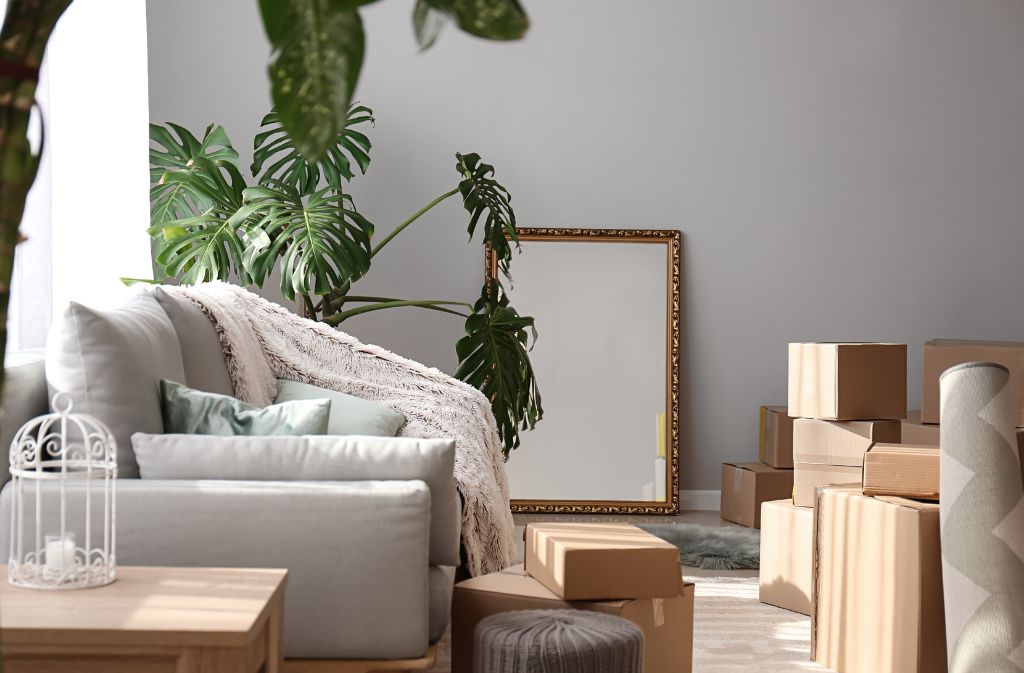
Maintaining an orderly home and office is less about perfection and more about a set of reliable habits that prevent clutter from accumulating. Start by adopting a mindset that values regular upkeep over occasional deep cleaning marathons. Small, consistent actions reduce the time and energy needed to keep spaces functional and inviting. Consider your living and work environments as ecosystems: each item has a role, a place, and a lifespan. When you assign purpose to objects and establish routines for their maintenance, chaos becomes manageable and predictable.
Establish Clear Zones and Purpose
Defining specific zones in each room helps clarify what belongs where and reduces decision fatigue. In a home, think in terms of entryway, meal preparation, relaxation, and work areas. In an office, separate zones for focused work, meetings, and reference materials will streamline daily flow. For each zone, choose furniture and storage that match the function; an entryway bench with baskets keeps shoes and accessories off the floor, while a small shelf near the desk houses frequently used binders. Avoid multifunctional furniture that tries to serve too many purposes at once unless it’s intentionally designed for flexibility. The clearer the purpose of a zone, the easier it becomes to maintain order because people instinctively return items to their designated place.
Practical Techniques for Reducing Accumulation
Adopt simple rituals that prevent things from piling up. One effective method is the “one-in, one-out” practice: when you bring a new item into your home or office, remove another that serves a similar function. This keeps inventory stable and creates opportunities to purge things that no longer serve you. Another technique is to set a weekly 15-minute reset where surfaces are cleared, mail is sorted, and misplaced items are returned to their zones. For larger projects, schedule quarterly examinations of closets, drawers, and shelves to decide what to keep, donate, or recycle. If you need focused guidance on how to streamline possessions and make decisions faster, consider implementing targeted decluttering tips that fit your pace; even small purges can transform how a space feels.
Storage Solutions That Encourage Compliance
Effective storage is invisible when it works and obvious when it doesn’t. Choose storage solutions that are proportional to the items they contain; oversized bins invite procrastination, while too-small compartments create overflow. Use transparent containers for items you need to see at a glance, and label opaque boxes so that you don’t have to open everything to find one object. Vertical storage makes efficient use of space, and adjustable shelving adapts as needs change. For frequently used items, keep storage accessible rather than hidden away. In office settings, a well-organized drawer with dividers for stationery, cords, and chargers reduces clutter on the desktop and saves time searching. The best storage systems are those that lower the effort required to return items to their place.
Paper, Digital Files, and Information Flow
Paper and digital clutter often compound each other, making organization feel impossible. Create a paper triage system: decide what must be acted upon, what needs filing, and what can be discarded immediately. A single inbox tray and a small set of labeled folders work better than an alphabetized filing system that never gets used. For digital files, develop a straightforward folder hierarchy and a short list of naming conventions so searching becomes predictable. Set a weekly appointment to clear digital downloads, respond to emails, and archive documents. Back up important files and adopt a consistent cloud storage practice so both home and office systems mirror one another, reducing duplication and confusion.
Habits and Routines that Sustain Order
Habits sustain order more reliably than willpower. Start the day with a quick surface sweep: make the bed, clear the kitchen counter, and put away anything left from the previous night. End the workday with a five-minute wrap-up: clear the desktop, jot down top priorities for tomorrow, and shut down equipment. These bookend routines signal that the space is ready for rest and renewal. Encourage household members and coworkers to adopt similar routines by keeping maintenance simple and visible. A family calendar or a shared digital checklist reinforces responsibilities without micromanagement. When everyone understands and participates in maintenance rituals, the burden doesn’t fall on one person and order becomes a group achievement.
Mindful Acquisition and Maintenance Planning
Learning to say no to nonessential items prevents future clutter. Before purchasing, ask whether an item will add lasting value or simply fill space. For office supplies, buy in quantities that match consumption rates rather than bulk that languishes. Schedule maintenance tasks into calendars the same way you schedule appointments so they are less likely to be skipped. Seasonal swaps—rotating linens, clothing, and decor—offer regular opportunities to reassess what you own and to declutter proactively. Maintenance planning also includes periodic reviews of technology and furniture; replacing or repairing items when needed avoids the spread of dysfunction, such as broken storage that encourages piles.
Creating an Environment that Invites Order
An orderly environment supports productivity and well-being. Invest in good lighting, comfortable seating, and surfaces that are easy to clean. Keep aesthetically pleasing, functional elements in sight: a stylish tray for keys, a sleek magazine rack for reference materials, or a plant that signals care without demanding attention. Visual cues are powerful; when storage looks intentional and accessible, people are more likely to use it. Celebrate small wins—clear counters, organized drawers, and efficient workflows—to build momentum. Over time, these practical methods become habits that maintain order with minimal friction, allowing your home and office to function as supportive spaces rather than constant projects.
For more, visit Pure Magazine