


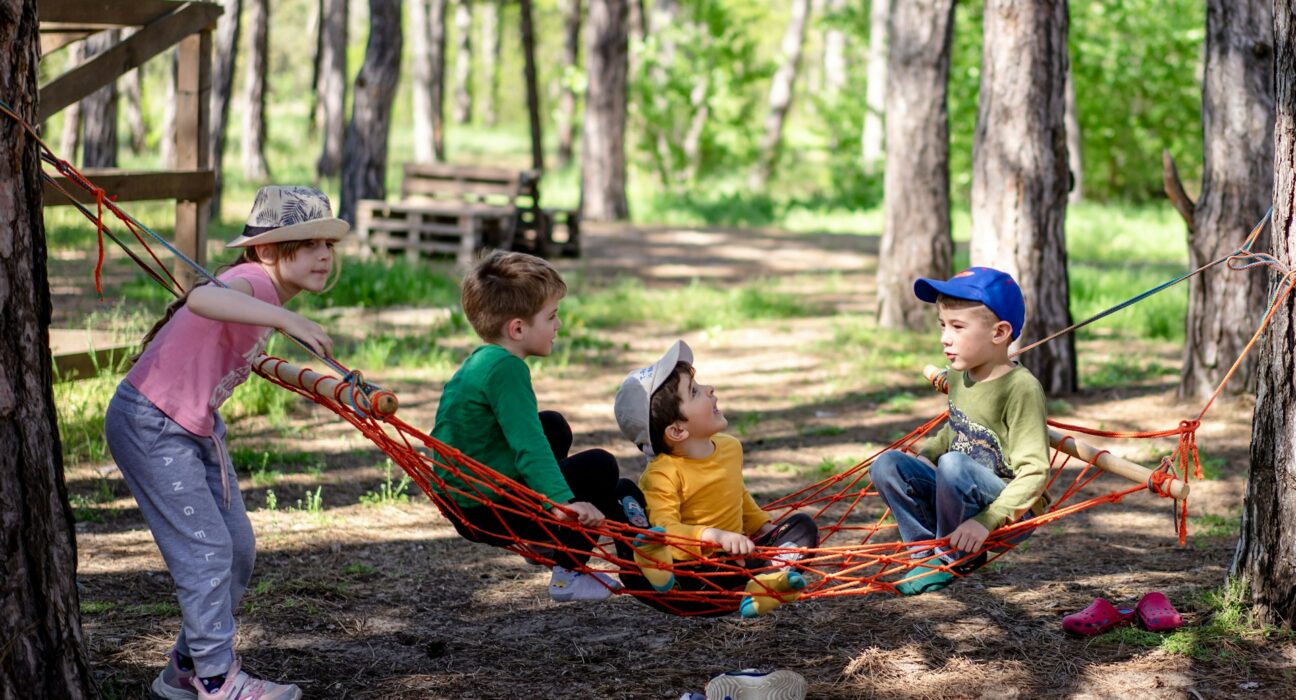
Spending time outdoors as a family can be one of the most refreshing ways to connect and stay healthy. In our busy lives filled with screens and schedules, nature offers a perfect escape to build stronger bonds while boosting overall wellness. From hiking trails to backyard games, these activities promote physical fitness, reduce stress, and create lasting memories. This article explores the many benefits of outdoor play, including exercise advantages, mental health gains, and ways to add learning elements. We’ll cover seasonal suggestions, safety advice, planning tips, essential gear, strategies for urban hurdles, and heartwarming family tales to inspire you. Whether you’re planning a weekend adventure or daily playtime, embracing the outdoors can transform family dynamics for the better.
Benefits for Physical Health
Outdoor activities provide an excellent platform for families to engage in physical exercise without it feeling like a chore. Simple things like walking in a park or playing tag can get everyone’s heart rate up, improving cardiovascular health. For kids, this kind of play helps develop motor skills, balance, and strength, setting a foundation for lifelong fitness habits.
Adults benefit too, as activities like cycling or gardening burn calories and build muscle tone. Regular exposure to fresh air enhances lung function and vitamin D levels from sunlight, which supports bone health. Families who incorporate movement outdoors often report better sleep patterns, as the exertion leads to more restful nights.
Group games, such as soccer or frisbee, encourage teamwork while providing a full-body workout. Even low-impact options like birdwatching walks keep joints flexible and reduce the risk of obesity. Research shows that children who play outside are more likely to maintain healthy weights and avoid sedentary lifestyles.
To maximize these benefits, aim for at least 30 minutes of daily outdoor activity. It’s a fun way to combat the effects of indoor routines, promoting vitality for all ages.
Mental Health Perks
Beyond the body, nature has a profound impact on the mind. Outdoor time acts as a natural stress reliever, with green spaces proven to lower cortisol levels. For families, shared adventures foster emotional connections, reducing feelings of isolation and enhancing mood through laughter and conversation.
Children especially gain from this, as play in nature boosts creativity and problem-solving skills. It can alleviate symptoms of anxiety or hyperactivity by providing a calming environment away from overstimulation. Parents often find that these outings recharge their mental batteries, improving patience and focus back home.
Mindfulness practices, like quiet forest walks, teach everyone to appreciate the present moment. Studies indicate that regular nature exposure can decrease depression risks and improve cognitive function. For teens, it offers a break from social media pressures, encouraging real-world interactions.
Incorporating deep breaths or gratitude sharing during activities amplifies these perks. Overall, the mental uplift from outdoors strengthens family resilience and happiness.
Seasonal Ideas
Each season brings unique opportunities for family outdoor fun, keeping things exciting year-round. In spring, wildflower hunts or picnics in blooming parks celebrate renewal. Plant a small garden together to watch growth over time, blending activity with anticipation.
Summer calls for water-based adventures like swimming in lakes or sprinkler games at home. Beach days with sandcastle building promote creativity while cooling off. Fall is ideal for leaf-collecting hikes or apple picking, turning outings into sensory experiences with crunchy leaves and crisp air.
Winter doesn’t mean staying inside—try snowman building, sledding, or ice skating for exhilarating fun. Bundle up for stargazing on clear nights, adding a magical touch.
An example of inclusive activities in a local area tailored to children with special needs, ABA Therapy in Houston offers programs that support outdoor skill development, helping kids build confidence through guided nature interactions.
Adapt ideas to your local weather, ensuring everyone stays comfortable and engaged throughout the year.
Planning Outings
Effective planning turns potential chaos into smooth family adventures. Start by choosing destinations that suit all ages and abilities—local trails for beginners or national parks for more experienced hikers. Use apps or websites to check weather, trail conditions, and reviews.
Set a budget for entry fees, snacks, or rentals. Involve the family in decisions, like voting on activities, to build excitement. Pack a checklist: water, first-aid kit, and maps are essentials.
Consider timing—early mornings avoid crowds, while evenings offer sunset views. For longer trips, book campsites or permits in advance. Transportation plans, whether driving or using public options, keep things efficient.
Post-outing reflections, discussing what worked and what didn’t, refine future plans. Good preparation ensures safe, enjoyable experiences that encourage repeat adventures.
Gear Essentials
Having the right gear makes outdoor activities more comfortable and safe. Start with weather-appropriate clothing: layered outfits for varying temperatures, waterproof jackets for rain, and sun hats for protection.
Footwear is crucial—sturdy sneakers or hiking boots prevent slips and blisters. Backpacks distribute weight evenly, with compartments for snacks and tools. Binoculars or magnifying glasses add fun for exploration.
For kids, child-sized items like mini backpacks build independence. Eco-friendly reusables, such as water bottles and cloth bags, teach sustainability. Tech like GPS watches or portable chargers keeps you connected without over-relying on devices.
Invest in quality where it counts, like durable tents for camping. Regularly check and maintain gear to ensure reliability. With these essentials, families can focus on enjoyment rather than discomfort.
Overcoming Urban Challenges
City living presents unique obstacles to outdoor pursuits, but creative solutions abound. Limited green spaces? Seek out urban parks, rooftop gardens, or even converted lots for play. Community programs often transform concrete areas into activity zones.
Traffic and pollution can deter outings, so opt for early hours or less congested spots. Vertical living means maximizing balconies or courtyards for games like container gardening or yoga.
Home extensions expand possibilities—adding patios or decks creates private outdoor havens. Consulting a Houston roofer ensures seamless integrations, like covered areas that protect from elements while blending with existing structures.
Public transit or bike-sharing eases access to further parks. Urban farms or nature centers provide educational escapes. By adapting, city families can still reap nature’s rewards without leaving the metropolis.
Safety Tips
Prioritizing safety keeps outdoor fun worry-free. Always supervise children near water or heights, teaching them basic rules like staying on paths. Apply sunscreen and insect repellent to guard against burns and bites.
Hydration is key—carry enough water and remind everyone to sip regularly. Dress for the environment: bright colors for visibility, long sleeves for tick-prone areas.
Know first aid basics, like treating cuts or sprains, and carry a kit. Check for allergies, especially to plants or bees. Wildlife awareness—keep distance from animals and secure food to avoid attractants.
In extreme weather, postpone plans. Share your itinerary with someone and have emergency contacts handy. These precautions ensure adventures remain positive experiences.
Incorporating Educational Elements
Turn outdoor time into learning opportunities without losing the fun. Nature scavenger hunts teach biology through identifying leaves or insects. Star charting at night introduces astronomy basics.
Geocaching combines tech with exploration, honing navigation skills. Birdwatching apps identify species, sparking interest in ecology. Simple experiments, like testing soil pH, blend science with hands-on play.
Discuss environmental stewardship during clean-ups, fostering responsibility. Historical sites add social studies layers to hikes. For diverse learners, adapt activities to include sensory elements or stories.
These integrations make education engaging, helping kids connect classroom knowledge to the real world.
Closing Thoughts
Outdoor activities offer families a gateway to better health, deeper bonds, and joyful discoveries in nature. By embracing seasonal ideas, planning wisely, and overcoming challenges, you can create enriching experiences. Safety and education add depth, while stories remind us of the rewards. Step outside today and let nature weave its magic into your family life.
For more, visit Pure Magazine