


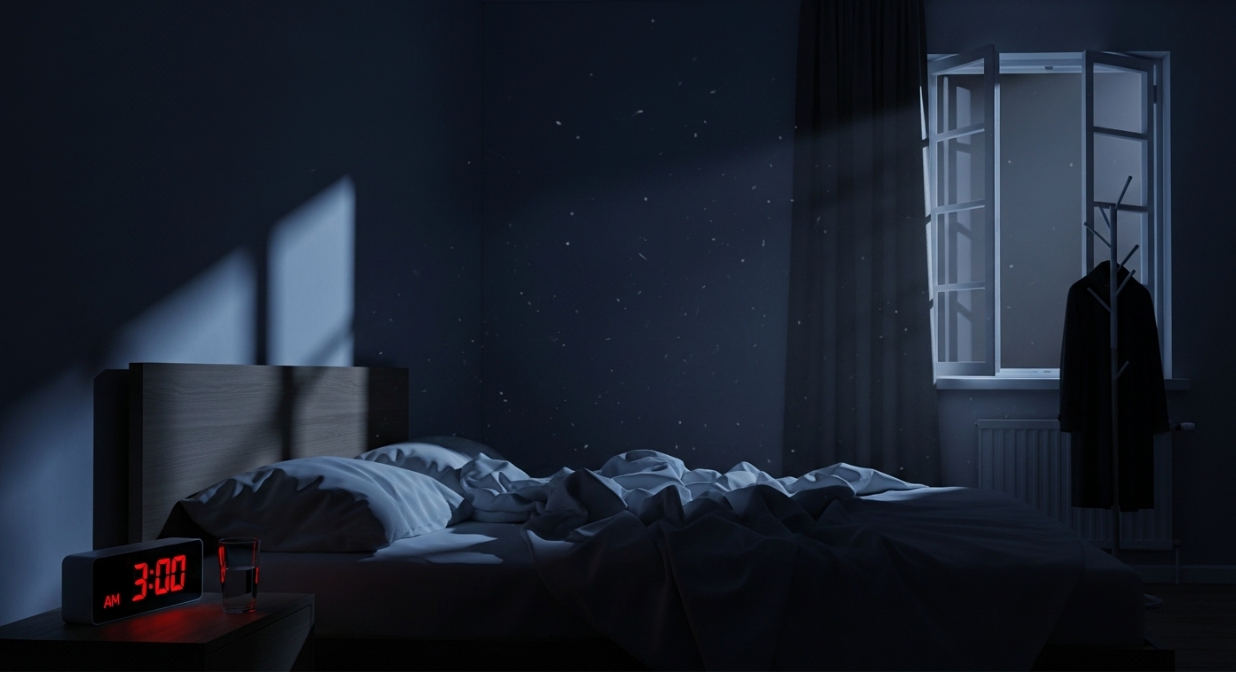
Waking up in the middle of the night gasping for air, with your heart pounding and a sense of overwhelming fear, can feel terrifying. Many people experiencing this don’t even realize what’s happening, which only makes the situation worse. The confusion and fear can leave you dreading sleep altogether.
This fear often builds over time. You may start associating bedtime with anxiety, leading to poor sleep, exhaustion, and worsening mental health. Without understanding the root cause, nighttime panic attacks can feel uncontrollable and unpredictable.
The good news is that these episodes are manageable. By understanding the causes of panic attacks at night, recognizing the symptoms, and applying proven techniques like breathing exercises and meditations for the anxious mind, you can regain control. Let’s break it down step by step.
What Are Nighttime Panic Attacks and Why Do They Happen?
Nighttime panic attacks, also known as nocturnal panic attacks, are sudden episodes of intense fear that occur during sleep, often in non-REM stages. They can wake you abruptly with strong physical and emotional symptoms, even without any disturbing dreams. Understanding why they happen is the first step toward managing them effectively.
Signs and Symptoms of Nocturnal Panic Attacks
Nighttime panic attacks are often mistaken for nightmares or night terrors, but they are very different. Unlike nightmares, these episodes usually occur without a dream narrative. And unlike night terrors, you are typically fully aware and remember the experience afterward.
Physically, these attacks can feel overwhelming. You might wake up with a racing heart, sweating, or a choking sensation. These symptoms can mimic serious medical emergencies, which increases fear and confusion during the episode.
Psychologically, the experience can be just as intense. Many people report a sudden sense of doom, fear of losing control, or even the belief that they are dying. This mental distress often amplifies the physical sensations.
Common symptoms include:
- Rapid heart rate and chest pain
- Shortness of breath or choking feeling
- Sweating and trembling
- Numbness or tingling sensations
- Sudden fear or feeling of impending danger
Main Causes of Panic Attacks at Night
Understanding the causes of panic attacks at night can help reduce their intensity and frequency. These attacks rarely happen randomly; they are usually linked to underlying mental or physical conditions.
One major cause is anxiety disorders. Conditions like generalized anxiety disorder, panic disorder, PTSD, or OCD can increase your likelihood of experiencing nocturnal panic attacks. These conditions keep your nervous system in a heightened state, even during sleep.
Stress is another significant factor. When emotional tension builds up during the day and isn’t processed, your mind may release it at night. This is especially common in people who suppress stress or avoid dealing with difficult emotions.
Physical and lifestyle factors also play a role. Issues like sleep apnea, acid reflux, or thyroid imbalances can trigger panic-like symptoms during sleep. Additionally, substances like caffeine, alcohol, nicotine, or withdrawal from medications can disrupt your nervous system.
Key triggers include:
- Chronic stress or emotional overload
- Underlying anxiety disorders
- Poor sleep quality or sleep disorders
- Stimulants like caffeine or nicotine
- Hormonal or medical conditions
How Nighttime Panic Attacks Differ from Nightmares
Many people confuse nighttime panic attacks with nightmares, but they are fundamentally different experiences. Nightmares usually involve vivid dreams and emotional distress tied to the dream’s storyline.
In contrast, nocturnal panic attacks often occur without any dream at all. You wake up suddenly in a state of fear, with no clear reason or memory of a disturbing event. This lack of context can make the experience even more alarming.
Another key difference is awareness. During a panic attack, you are fully conscious and aware of your surroundings. You can recall the episode clearly afterward, unlike night terrors where memory is often limited.
The brain’s response also differs. Panic attacks are linked to the body’s fight-or-flight system being triggered unnecessarily. This can happen when the brain misinterprets normal sleep-related changes, like breathing patterns, as danger.
How to Stop Nighttime Panic Attacks Naturally?
Stopping nighttime panic attacks requires both immediate strategies and long-term lifestyle adjustments. The goal is to calm your nervous system, reduce triggers, and build a sense of safety around sleep.
What to Do During a Panic Attack at Night
When a panic attack strikes, your first instinct might be to panic further. But the key is to interrupt the cycle calmly. Remind yourself that what you’re experiencing, although uncomfortable, is not dangerous.
Start with controlled breathing. Slow, deep breathing signals your body to relax. A simple method is inhaling for four seconds and exhaling for six seconds. This helps regulate your heart rate and reduce the intensity of symptoms.
Try to stay in bed if possible. Getting up abruptly can reinforce the fear response. Instead, focus on grounding yourself by noticing your surroundings or placing a hand on your chest to feel your breathing stabilize.
Helpful techniques include:
- Deep breathing (4 seconds in, 6 seconds out)
- Repeating calming affirmations like “This will pass”
- Gentle grounding exercises
- Avoiding sudden movements or panic reactions
Daily Habits That Prevent Panic Attacks at Night
Preventing nighttime panic attacks often starts with your daily routine. Your nervous system needs consistent signals of safety and relaxation, especially before bedtime.
Creating a calming nighttime routine is essential. Avoid screens at least 30–60 minutes before bed, as blue light can stimulate your brain. Instead, focus on relaxing activities like reading or listening to soothing music.
Practicing meditations for the anxious mind can significantly reduce nighttime anxiety. Meditation helps train your brain to stay calm and present, lowering overall stress levels. Even 10–15 minutes a day can make a difference.
Other helpful habits include:
- Limiting caffeine and alcohol intake
- Maintaining a consistent sleep schedule
- Engaging in light evening stretching or yoga
- Journaling to release built-up stress
Long-Term Treatment and When to Seek Help
If nighttime panic attacks occur frequently, professional help may be necessary. Cognitive Behavioral Therapy (CBT) is one of the most effective treatments for panic-related conditions.
CBT works by identifying and changing negative thought patterns that trigger anxiety. Over time, it helps retrain your brain to respond differently to perceived threats, even during sleep.
Medical consultation is also important. A doctor can rule out underlying conditions like sleep apnea, heart issues, or thyroid imbalances. In some cases, medications such as antidepressants or beta-blockers may be recommended under supervision.
It’s important to avoid unsafe practices like trying to self-medicate or searching for ways to buy klonopin clonazepam 2mg online without a prescription. These medications should only be used under strict medical guidance to prevent dependency and adverse effects.
FAQs
Why do panic attacks happen only at night?
Nighttime panic attacks often occur because your brain is still processing stress even during sleep. In non-REM stages, subtle changes in breathing or heart rate can trigger the body’s alarm system. Without distractions, your mind becomes more sensitive to these changes, leading to sudden fear responses.
Are nighttime panic attacks dangerous?
Although they feel intense and frightening, nighttime panic attacks are not physically dangerous. They do not cause heart attacks or death. However, frequent episodes can affect sleep quality and mental health, so it’s important to manage them properly.
How can I calm myself quickly during a panic attack?
The fastest way to calm down is through controlled breathing and reassurance. Focus on slow breathing patterns and remind yourself that the sensation will pass. Grounding techniques like touching nearby objects or focusing on your senses can also help reduce intensity.
Can meditation really help with nighttime anxiety?
Yes, meditations for the anxious mind are highly effective. Regular meditation reduces overall stress levels and improves emotional regulation. Over time, this lowers the likelihood of panic attacks by calming your nervous system before sleep.
When should I see a doctor for panic attacks at night?
You should consult a doctor if panic attacks happen frequently, disrupt your sleep, or worsen over time. A professional can identify underlying causes and recommend appropriate treatments like therapy or medical evaluation.
Take Back Control of Your Nights
Nighttime panic attacks can feel overwhelming, but they are manageable with the right approach. By understanding the causes of panic attacks at night, recognizing symptoms early, and applying proven techniques like breathing exercises and meditations, you can regain control over your sleep and mental well-being. Consistency is key, small daily habits and professional support when needed can make a significant difference. With time and the right strategies, peaceful and restful nights are absolutely achievable.
For more, visit Pure Magazine