


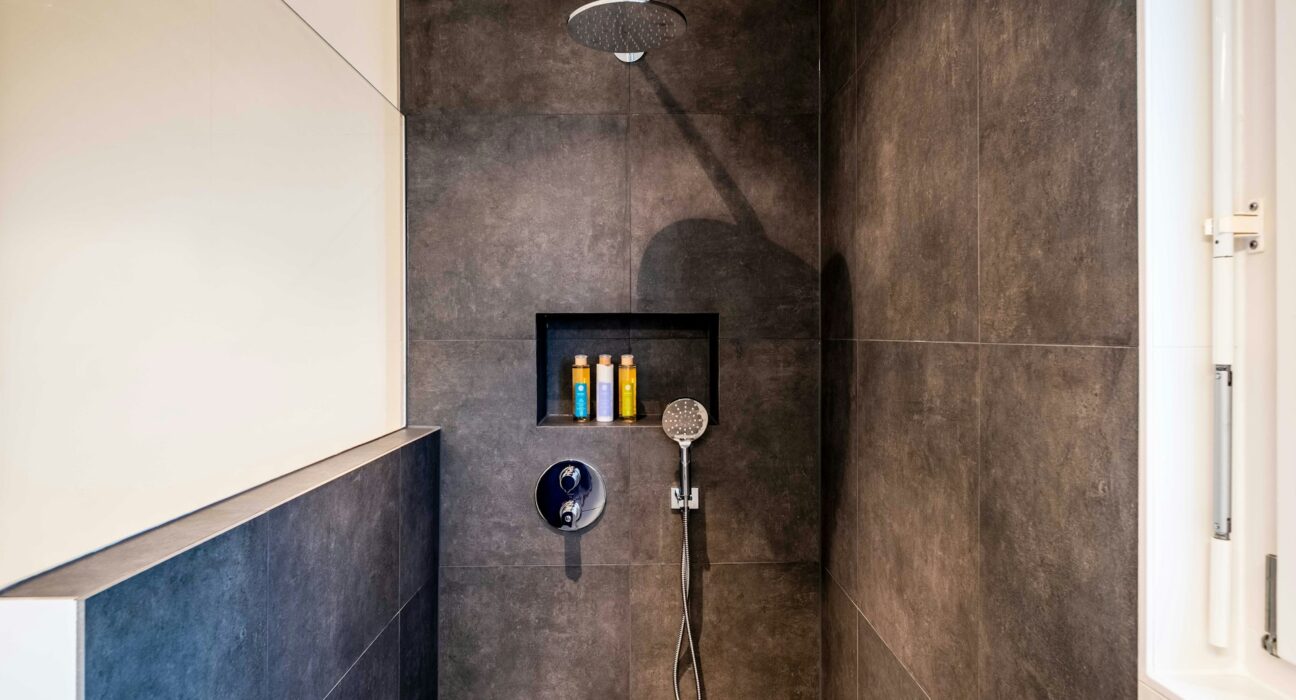
Bathrooms increasingly function as both practical spaces and showcases of contemporary design, and brands like Insignia Showers exemplify this blend of style and functionality. Modern showers strike a balance between aesthetic restraint and everyday usability, delivering streamlined lines, efficient water delivery, easy maintenance, and accessibility. This article walks through the design principles, types, layout planning, materials, fixtures, technology, and upkeep that define modern showers today, equipping designers, renovators, and detail-oriented business owners with the knowledge to specify showers that look great and perform reliably.
Design Principles For A Modern Shower
Maximizing Form And Function
Modern shower design begins with clarity of purpose: to create a space where functionality is elevated by deliberate aesthetics. Designers prioritize uninterrupted sightlines, logical storage, and ergonomics, placing controls within comfortable reach, positioning niches at convenient heights for users, and ensuring shower heads deliver consistent coverage without splash or noise. For commercial sites and product pages, emphasizing measurable benefits, less water waste, easier cleaning, longer-lasting finishes, resonates with decision-makers and customers.
Balancing Minimalism With Warmth
Minimalism is a hallmark of modern showers, but stark coldness is rarely the goal. The most successful projects pair pared-back hardware with tactile warmth, wood-tone accents, matte stone, or textured tiles, so the space feels curated rather than clinical. Layering materials, smooth large-format tile with a recessed niche clad in warm wood-look porcelain, creates depth without clutter. For ecommerce photography and listings, lifestyle shots that show small human elements (a towel, a plant) help buyers perceive warmth and scale.
Lighting And Visual Flow
Lighting defines mood and perceived volume. Modern showers use a mix of task and ambient light: recessed downlights or linear LEDs for even illumination, and accent lighting inside niches to highlight texture. Consider sight lines from other bathroom zones, glass enclosures extend visual flow, while frosted panels offer privacy without breaking the composition. For digital content, showcasing before/after lighting adjustments can dramatically increase conversions by helping buyers visualize possibilities.
Popular Modern Shower Types And When To Use Them
Frameless Glass Enclosures And Walk‑Ins
Frameless glass enclosures are synonymous with modern showers: they unobstruct views, make small bathrooms feel larger, and reduce visual clutter. Walk-in showers, often with a single fixed glass panel, work well where a streamlined look and easy access are priorities. They excel in master baths, boutique rentals, and high-end listings where the visual impact supports higher price points.
Doorless Wet Rooms And Curbless Showers
Wet rooms and curbless showers deliver a seamless floor plane and are especially valuable for accessibility. By removing thresholds, these solutions work for aging-in-place designs and commercial properties that require barrier-free access. Proper slope and waterproofing are essential here: failures in these areas are costly and visible, so architects and contractors should specify proven drainage systems and membrane details.
Shower‑Tub Combos And Compact Solutions
Not every installation can be generous. Shower‑tub combos and compact alcove showers are practical choices for apartments, rental properties, and smaller homes. Modern finishes, sleek enamel tubs, pivot glass doors, and wall-mounted handshowers, keep the aesthetic contemporary without sacrificing function. For property managers and ecommerce merchants, offering package options (tile + enclosure + fixtures) simplifies decision-making and shortens sales cycles.
Planning Layouts And Sizing For Real Homes
Standard Dimensions And Clearance Recommendations
Standard dimensions provide a baseline: a comfortable single-person shower is typically at least 36 inches by 36 inches, while a more luxurious or dual-person shower is often 48 inches by 60 inches or larger. Door clearances should allow for unobstructed entry, consider a minimum 22–24 inch clear path for swinging doors and compact 32-inch openings for sliding systems. These guidelines help spec sheets and product pages communicate fit for buyers.
Layout Tips For Small Bathrooms And Tight Spaces
In tight bathrooms, efficient layouts matter. Corner showers with quadrant or neo‑angle enclosures make use of wasted corners and free up circulation space. Recessed niches replace bulky shelving and visually reduce clutter. Repositioning fixtures, like moving the toilet slightly to accommodate a walk-in, can transform usability: but, budget constraints often make extensive moves impractical. For ecommerce retailers, offering modular kits for common small-bath configurations reduces customer confusion and returns.
Plumbing Placement And Drain Options (Linear Vs. Point Drains)
Plumbing placement strongly influences layout flexibility. Relocating rough‑ins adds cost: hence, designers often plan around existing drains. Choosing between linear and point drains affects slope strategies: linear drains allow single‑slope floor designs, which are easier to tile and better for curbless installations, while point drains need a four‑way slope and can complicate large-format tile installations. Photographs and diagrams of both approaches help clients and customers understand trade-offs during specification and purchase decisions.
Materials, Tiles, And Finishes That Define Modern Style
Large‑Format Tiles, Natural Stone, And Porcelain Slabs
Large-format tiles and porcelain slabs create near-seamless surfaces with fewer grout lines, reinforcing the clean lines of modern showers. Porcelain slabs mimic natural stone without the maintenance burden, an important selling point for busy homeowners and hospitality operators. Natural stone remains popular where luxury is desired, but it requires sealing and careful spec of honed vs. polished finishes to avoid slippery surfaces.
Waterproofing, Grout Choices, And Long‑Term Durability
Successful modern showers hide robust technical decisions beneath elegant surfaces. Waterproofing membranes, properly detailed seams, and integrated curbs are non-negotiables. Epoxy grouts and narrow grout joints reduce staining and maintenance while improving durability. For content aimed at professional audiences, including recommended product spec ranges and manufacturer links builds credibility and reduces post-sale issues.
Color Palettes, Texture, And Accent Walls
Neutral palettes, soft grays, warm beiges, and off‑whites, form a base that survives changing trends. Texture and contrast come from accent walls, mosaic niches, or a band of patterned tile. A single, well-chosen accent wall provides personality without overpowering resale-minded buyers. Ecommerce imagery that offers multiple palette options and room scenes helps customers see the fit for different tastes.
Fixtures, Fittings, And Smart Shower Technology
Rainheads, Handshowers, And Multi‑Function Systems
Fixture selection shapes both experience and perceived value. Overhead rainheads offer a luxurious, immersive spray, while handhelds provide utility for cleaning and rinsing. Multi-function systems that combine both, plus body sprays, deliver customizable experiences but require careful water-pressure planning. Sellers should clearly state flow rates and recommended valve types to avoid performance complaints.
Concealed Plumbing, Minimal Hardware, And Finishes
Concealed valves and in-wall tanks streamline sight lines and reduce visual noise. Minimal hardware, slim towel bars, recessed niches, hidden door tracks, supports a cohesive look. Finish choices (matte black, brushed nickel, polished chrome, aged brass) should be offered in coordinated groups so buyers can make consistent selections across a bathroom suite.
Smart Controls, Thermostatic Valves, And Water Savings
Smart shower controls and thermostatic valves combine comfort with safety and efficiency. Thermostatic valves maintain consistent temperature even when water pressure varies, critical in multifamily buildings where simultaneous use is common. Smart systems can preheat water, set user profiles, and monitor usage to reduce waste, features that appeal to eco-conscious buyers and property managers aiming to lower utility costs. Product pages and spec sheets should call out compatibility with home automation platforms to reach tech-savvy customers.
Accessibility, Safety, And Maintenance Considerations
Slip‑Resistant Flooring And Grab Bar Integration
Safety in modern showers is achieved with subtlety: textured large-format tiles, matte finishes, and slight changes in surface elevation ensure slip resistance without looking institutional. Integrating grab bars into the design, matching finishes and aligning bars with tile joints, preserves aesthetics while meeting functional needs. For commercial clients and landlords, specifying ADA‑compliant options prevents costly retrofits.
Cleaning‑Friendly Designs And Preventing Mold/Mildew
Design choices can drastically reduce cleaning time and mold risk. Frameless or semi-frameless glass reduces metal troughs where grime accumulates. Sloped glass, magnetic seals, and minimal hardware reduce water retention. Using waterproof membranes, rapid‑drying grout, and proper ventilation completes the system. For retailers, highlighting low-maintenance advantages and including care instructions reduces buyer remorse and returns.
Maintenance Checklist And Expected Lifespan Of Components
A simple maintenance checklist adds value for purchasers: inspect seals annually, clean with non‑abrasive cleaners monthly, check grout and re-seal natural stone yearly, and service thermostatic valves every 5–10 years depending on water quality. Typical component lifespans: faucets and showerheads (7–15 years), glass enclosures (20+ years with proper care), and tile surfaces (decades if waterproofing is correct). Clear guidance reduces service calls and increases customer satisfaction.
Conclusion
Modern showers succeed when design decisions are purposeful: clear layouts, well-chosen materials, and thoughtfully specified fixtures make bathrooms feel both stylish and reliable. For ecommerce businesses, agencies, and product developers, translating these principles into accurate product descriptions, configuration tools, and visual assets improves customer trust and conversion. When aesthetics align with technical best practices, waterproofing, accessible design, and easy maintenance, the result is a modern shower that delights users and stands the test of time.
For more, visit Pure Magazine