Hospitality used to revolve around service efficiency. A guest arrived, ordered, ate, and left satisfied. Today, satisfaction alone is no longer the goal. People increasingly look for moments worth remembering, sharing, and repeating. This shift sits at the centre of what economists call the experience economy, where value is measured not only by product quality but by emotional impact.
Restaurants, cafés, and food venues now compete less on price and more on feeling. The meal still matters, but the memory matters more.
From Transaction to Occasion
In traditional hospitality, success depended on speed, consistency, and reliability. Those qualities still matter, yet they no longer guarantee loyalty. Guests now seek a sense of occasion, even on ordinary evenings.
An experience begins before the first bite:
- Anticipation during booking
- Atmosphere upon arrival
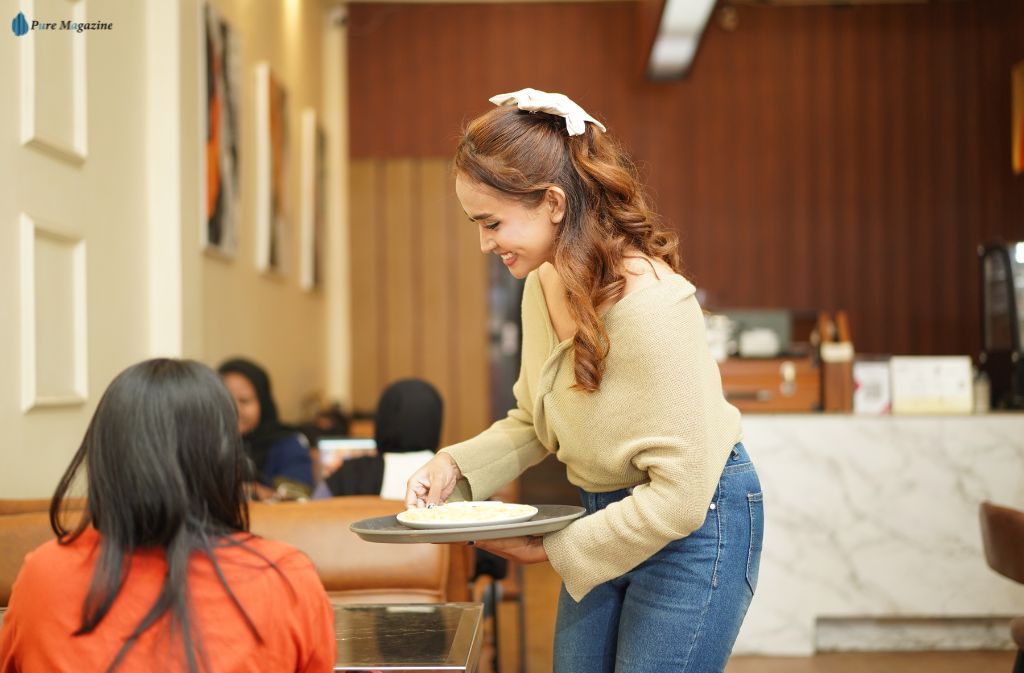
- Interaction with staff
- Pacing of service
- Closing impression when leaving
When these elements align, the visit becomes a story rather than a purchase.
Atmosphere as a Core Ingredient
Décor, lighting, and sound used to be secondary considerations. They are now central to brand identity. The same dish can feel entirely different depending on the surroundings.
Soft lighting slows conversation. Open kitchens create theatre. Music shapes energy levels. Each sensory detail contributes to how long a guest stays and whether they return.
Hospitality spaces now design emotion as deliberately as menus.
The Rise of Personalisation
Modern guests expect recognition. Not necessarily familiarity by name, but evidence that preferences matter.
Personalisation may include:
- Adjustable spice levels
- Dietary awareness
- Flexible ordering options
- Varied dining formats
Offering both sit-down meals and convenient options, such as an Indian takeaway Bristol service, allows the experience to fit different moods rather than forcing guests into a single format. Choice becomes part of the hospitality.
Social Sharing as Part of the Experience
Experiences extend beyond the venue. A visually engaging plate, a welcoming interior, or a unique presentation encourages sharing. This is not simply marketing. It reflects how people remember events.
When a guest photographs a meal, they are recording participation in a moment. The restaurant becomes part of personal storytelling.
Time as a Luxury
The experience economy values how time feels. Fast food solved convenience, but modern hospitality often solves disconnection. People seek places where conversation lasts longer than scrolling.
Successful venues manage pacing carefully:
- Not rushed
- Not delayed
- Balanced to encourage presence
Guests leave feeling they spent time well, not just money.
Authenticity Over Perfection
Perfect uniformity once defined professionalism. Now, authenticity holds more appeal. Slight variation, visible preparation, and genuine interaction build trust.
Authenticity signals that the experience is created, not manufactured. This encourages emotional connection rather than passive consumption.
Community as Competitive Advantage
Local hospitality thrives when it becomes a gathering point rather than a service provider. Regular guests recognise staff, celebrations happen naturally, and the venue reflects its neighbourhood.
In the experience economy, community often outweighs novelty. Familiar places with consistent warmth attract repeat visits because they contribute to daily life, not just special occasions.
The Future of Hospitality
As daily routines become increasingly digital, physical experiences gain value. Dining out offers sensory engagement that screens cannot replicate. Texture, aroma, conversation, and atmosphere provide a complete interaction.
Modern hospitality, therefore, evolves from feeding people to hosting them. The restaurant becomes a stage, staff become guides, and the guests become participants.
For more, visit Pure Magazine