


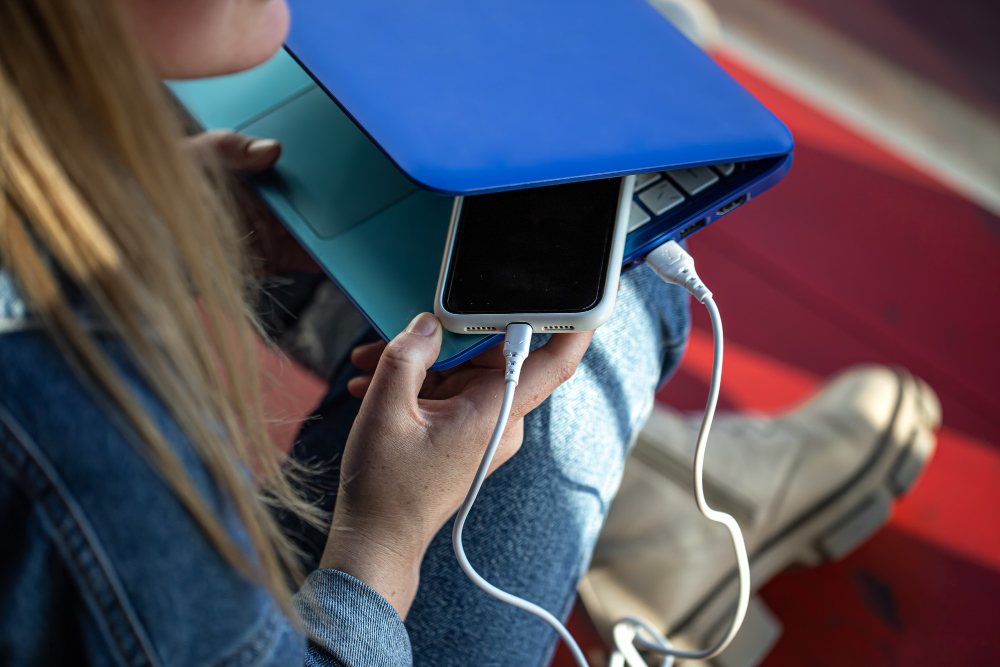
Traveling today requires staying connected, whether for navigation, work, or leisure. With our increasing reliance on smart devices, having a reliable source of power while on the go is more important than ever. A portable charger is a must-have accessory for modern travelers, ensuring that your devices stay operational throughout your journey. In this article, we’ll explore practical tips and best practices to help you make the most of this travel essential.
Why Power Banks Are Essential for Travelers
Smartphones, tablets, and other devices have become travel necessities. A portable charger is invaluable for keeping them powered when you’re on the move, particularly during long days or outdoor adventures where access to outlets is limited. Whether you’re exploring a city or trekking through the wilderness, having a backup power source ensures you won’t be left stranded without a working device when you need it most.
Choosing the Right Power Bank for Your Trip
Selecting the right portable charger is key to ensuring a smooth travel experience.
Capacity Considerations: A 20,000mAh power bank is ideal for extended trips, offering enough juice to charge your devices multiple times. This is particularly useful for long days of sightseeing or outdoor activities, where access to charging points is limited.
Portability: While having enough capacity is important, it’s also crucial to choose a charger that’s lightweight and easy to carry. A bulky charger can take up too much space and add unnecessary weight to your luggage.
Multi-port Charging: If you’re traveling with several devices, a portable charger with multiple ports can save time and ensure all your gadgets stay powered simultaneously.
Charging Speed: Fast-charging capabilities can be a game-changer when you’re in a rush to top off your devices between activities.
How to Pack Your Power Bank for Travel
Proper packing ensures your portable charger remains safe and ready for use.
Best Packing Practices: To prevent damage, store your charger in a padded section of your bag, away from sharp objects. This helps protect the charger from any impact or pressure that could cause internal damage.
Temperature and Moisture Safety: Avoid exposing your charger to extreme temperatures or moisture. High heat or humidity can impair its function or cause it to malfunction.
Power Bank Etiquette at Airports
Airports have specific guidelines for carrying portable chargers, and knowing these can save you time at security.
Know the Limits: Most airlines allow portable chargers up to 100Wh (about 27,000mAh) in your carry-on. Be sure to check the regulations at the airport before traveling, as policies can vary.
Managing Spare Batteries: If you carry extra batteries, ensure they are packed securely and follow airline rules. You may also want to consider bringing a wireless charger for convenience, as it can simplify your charging routine.
Maximizing Battery Life While Traveling
To get the most out of your portable charger, follow these tips to extend battery life:
Battery-saving Tips: Turn off non-essential apps and features, such as background notifications and location services, to conserve battery life. Activating power-saving mode can also help stretch your device’s charge.
Charging Strategies: Avoid overcharging by disconnecting your device once it reaches 80-90%. Recharging your devices when they drop to 20-30% is also a good practice to prevent excessive drain on your charger.
Alternatives and Supplements to Power Banks
In addition to your portable charger, consider these alternatives for added flexibility:
Solar Chargers: Ideal for outdoor trips, a solar charger can help you stay powered when you’re far from outlets. These chargers use the sun’s energy to recharge your devices, making them a great option for camping and hiking.
Car Chargers: If you’re traveling by car, having a car charger handy allows you to keep your devices charged while on the road.
Charging at Hotels and Public Spaces: Many hotels and airports now provide charging stations. However, it’s always good to have a backup plan, like a wireless charger or portable battery, in case these options are unavailable.
Common Mistakes to Avoid
To get the most out of your portable charger, steer clear of these common mistakes:
Forgetting to Turn Off Devices While Charging: Make sure your devices aren’t actively using power while charging. This ensures your charger works efficiently and your devices recharge faster.
Not Checking Charge Levels: Before you head out, always check your charger’s battery level. It’s frustrating to find it empty when you need it the most.
Choosing the Wrong Size or Type of Charger: Ensure the charger you select fits your needs. A charger that’s too small won’t give you enough power, while a charger that’s too large might be inconvenient to carry.
Conclusion
In conclusion, a portable charger is an essential travel companion that ensures your devices remain powered wherever you go. By choosing the right charger, packing it carefully, and following smart charging strategies, you’ll be ready to tackle any adventure without worrying about running out of battery. Whether you’re navigating a new city or hiking through the great outdoors, keeping your devices charged will help you stay connected and prepared throughout your journey.
For more, visit Pure Magazine