Choosing a career in the heating ventilation and air conditioning field is one of the smartest moves for anyone who enjoys technical hands on work that directly improves people’s comfort and safety Modern life depends on efficient indoor climate systems and skilled professionals who can design install and maintain them With the global demand for energy-efficient and sustainable systems rising every year technicians with advanced training are more valuable than ever
The path to becoming a qualified HVAC technician starts with education and practical training A high quality program provides both knowledge and skill development in mechanical electrical and environmental systems In this guide you will explore what HVAC training involves how to select the right program and what opportunities await after graduation This journey begins with understanding the value of enrolling in a trusted HVAC School where your foundation for success is built
Understanding the HVAC Profession
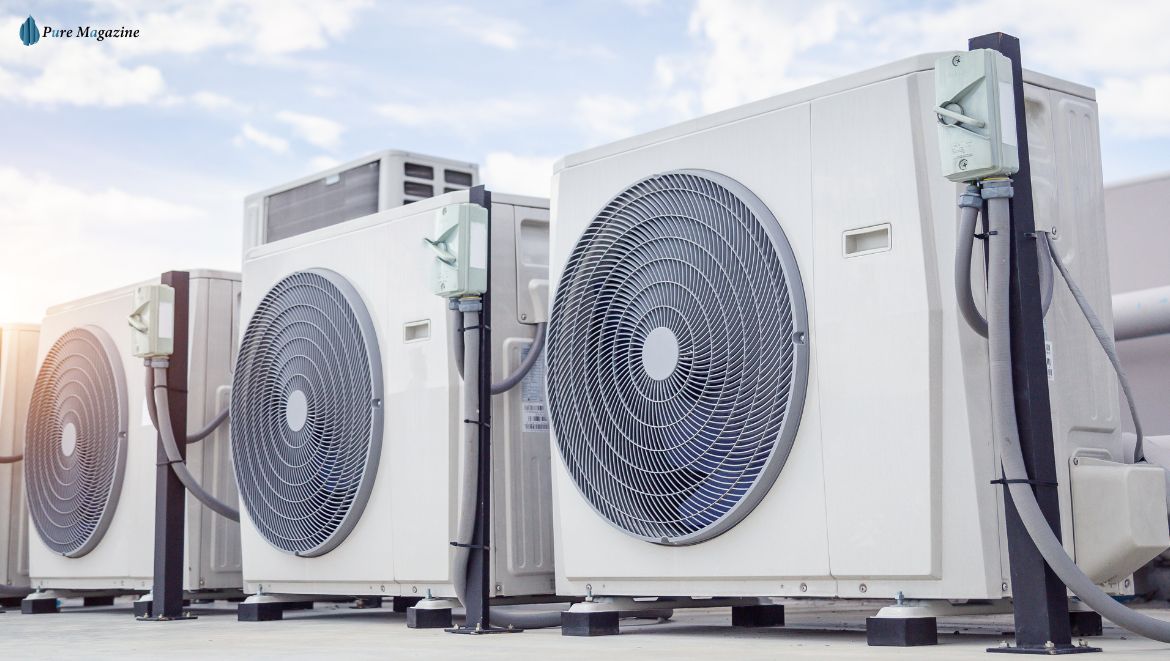
The HVAC industry covers a wide range of systems that regulate temperature, airflow, and air quality in residential, commercial, and industrial environments. Heating components include furnaces, heat pumps, and boilers. Ventilation systems move air through ducts and filters, maintaining fresh indoor conditions. Air conditioning units and refrigeration systems remove heat and control humidity, creating balanced and healthy spaces
A technician’s role combines science, mechanics, and critical thinking. Every project requires problem-solving skills, diagnostic ability, and precision. Whether replacing an outdated system, installing a smart thermostat, or maintaining an industrial chiller, the work demands technical accuracy and awareness of safety standards. With modern technologies like variable refrigerant flow systems, digital control panels, and green refrigerants entering the market, technicians must continuously learn and adapt
This constant evolution is what makes formal education essential. A structured curriculum gives you the theoretical foundation that experience alone cannot provide. You will not only learn how systems operate but also why they behave the way they do. Understanding thermodynamics, pressure, airflow, and electrical principles makes troubleshooting more effective and efficient
What to Look For in an HVAC Training Program
Selecting the right training institution requires research and careful evaluation. Your goal is to find a school that balances classroom learning with practical hands-on experience. The following factors are key when making this choice
Accreditation and Reputation
A recognized program should be accredited by an official education or trade authority. Accreditation ensures that the curriculum meets industry standards and that your certificate or degree will be respected by employers. A school with positive reviews from graduates and local businesses is usually a good indicator of quality
Comprehensive Curriculum
A complete training program should cover heating systems, refrigeration, air distribution, load calculation, system design, electrical circuits, and safety regulations. It should also include instruction on the latest technologies such as energy-efficient units, smart systems, and environmentally friendly refrigerants. A well-rounded education allows you to work in different environments, from homes to factories
Hands-On Experience
Nothing replaces real-world practice. The best programs provide access to laboratories with actual equipment where students can install, troubleshoot, and repair systems under instructor supervision. This builds confidence and technical skill long before entering the workforce
Certification Preparation
A quality school prepares students for essential certifications such as EPA Section 608 for refrigerant handling. These credentials are required for most professional positions and demonstrate your commitment to the trade
Flexible Schedules and Cost Transparency
Many students balance work and study, so flexible class times are important. Evening or weekend classes can make the difference between success and burnout. The school should also be transparent about costs, including tuition, tools, and exam fees. Knowing the full expense helps you budget properly
By assessing each of these points, you can confidently select an HVAC School that matches your career goals and financial situation
Inside the HVAC Curriculum
Every HVAC program varies slightly, but the core subjects remain consistent. The first modules focus on basic principles of heat transfer, air movement, and energy efficiency. You will learn how temperature differences drive the flow of heat and how to measure and control it effectively
Electrical training is another major component. You must understand wiring diagrams, switches, motors, transformers, and control systems. Safe electrical practices are critical since much of the work involves diagnosing and repairing live equipment
Mechanical instruction teaches how to assemble and maintain heating and cooling units. You will practice using specialized tools to cut flare and braze pipes, mount compressors, and check for refrigerant leaks. Laboratory sessions simulate real job conditions, giving you experience in installing entire systems
Advanced courses often explore digital thermostats, programmable logic controllers, and building automation systems. These technologies are increasingly common in modern buildings. Technicians who can integrate smart controls and optimize energy performance are in high demand
Environmental awareness is also a major focus. Students study refrigerants and their environmental impact. They learn about recovery, recycling, and disposal methods that comply with environmental protection standards. Understanding these responsibilities builds professionalism and credibility
From Student to Professional Technician
Graduating from an HVAC training program is only the beginning. The next step is gaining on-the-job experience through apprenticeships or entry-level positions. Working alongside seasoned professionals teaches you how to apply theory to real situations. You will learn how to communicate with clients, complete service reports, and manage time efficiently
As your skills develop, new opportunities appear. Many technicians specialize in certain areas, such as residential installation, commercial maintenance, or refrigeration. In other words, move into design project management or sales. The industry offers flexibility and continuous learning, which keeps the work dynamic and rewarding
A common career path begins as an installer, then progresses to service technician and eventually to lead technician or supervisor. With additional certifications, you might become an energy auditor or system designer. Some graduates start their own businesses and build client networks over time
The Financial and Career Benefits of HVAC Training
One of the strongest reasons to enter this trade is job stability and earning potential. The demand for qualified technicians continues to grow as older workers retire and building codes become stricter. Climate control systems are a necessity, not a luxury, so the market remains resilient even during economic shifts
Starting salaries vary depending on region and experience, but technicians with certification and specialized training generally earn more than those without formal education. Employers value candidates who demonstrate both technical proficiency and professionalism. A diploma or degree from a reputable program often opens doors to higher-paying opportunities and faster advancement
Beyond income, HVAC work provides tangible satisfaction. You can see the results of your labor every day when a home becomes comfortable again or a restaurant’s refrigeration system is restored. A sense of accomplishment and service defines this profession
Building Long-Term Success
To maximize your success in the HVAC field, treat your education as the first stage of lifelong learning. Technology and environmental standards evolve constantly. Continuous professional development ensures you stay relevant and competitive. Attend manufacturer training seminars, read trade journals, and follow industry associations
Networking also matters. Join local technician associations and participate in online communities. These connections can help you find job openings, exchange troubleshooting ideas, and stay informed about new regulations and tools. Mentorship from experienced professionals accelerates your progress and boosts confidence
Time management and safety discipline are equally important. Always follow safety guidelines for electrical systems, refrigerant handling, and confined spaces. Building good habits early prevents accidents and builds a reputation for reliability and quality
If you decide to advance further, consider obtaining additional certifications or pursuing an associate or bachelor’s degree in mechanical or energy engineering. Higher education can lead to supervisory or design roles and even positions in research and development
The Future of the HVAC Industry
The future of the HVAC industry is bright and innovative. The push for green energy and sustainable design is transforming how systems are built and maintained. Governments and organizations are setting stricter standards for energy use and emissions. Technicians trained in high-efficiency systems and renewable energy integration will have a competitive edge
Smart technology is reshaping the landscape. Internet-connected thermostat sensors and cloud-based monitoring systems allow remote control and predictive maintenance. Technicians must understand not only mechanical systems but also networking and data analytics. As buildings become smarter, the technician’s role expands beyond tools and gauges to include digital skills
Another major trend is the global shift toward eco-friendly refrigerants. Traditional compounds that harm the ozone layer are being phased out. Understanding new alternatives and how to safely handle them is a vital skill taught in forward-thinking training programs
These developments mean that graduates of a strong HVAC School enter an industry full of growth and innovation. The blend of mechanical knowledge, environmental responsibility, and digital technology makes this trade both modern and future-proof
Practical Advice for Aspiring Students
Before enrolling, consider shadowing an experienced technician for a day or tw.o Observing daily tasks helps you understand the physical and technical demands of the job. You will see how theory translates to practice and decide whether this career aligns with your interests
When you start school, stay organized and proactive. Take detailed notes during lecture, ask questions, and spend extra time in the lab. Practice each technique until it becomes second nature. Seek feedback from instructors who have field experience because their insights are invaluable
Invest in good-quality tools and safety gear early. Familiarity with your own equipment builds efficiency and confidence. Always maintain your tools properly, as they represent your professionalism
Balance classroom learning with online resources. Many educational channels and trade forums share updates, tips, and repair demonstrations. Watching these can reinforce what you learn and expose you to real-world problem-solving scenarios
Finally, remember that attitude is as important as skill . Reliability, punctuality, and a willingness to learn will earn respect from employers and colleagues. The most successful technicians are those who combine technical mastery with strong communication and customer service skills
Conclusion
Choosing to build your future in the HVAC field is a decision filled with opportunity This profession combines science, craftsmanshi,p and service, creating a career that is both practical and rewarding The right education is the first and most important step Whether your goal is to work with residential systems commercial complexes or large industrial plants the foundation you gain through dedicated study will shape your success
The journey begins when you commit to learning mastering and continuously improving Every concept you absorb every system you repair and every client you help adds to your expertise The demand for skilled HVAC professionals will only increase as technology advances and sustainability becomes a global priorityBy investing your time effort and determination into formal training you position yourself for long-term stability growth and fulfillment This career not only provides financial security but also gives you the satisfaction of solving real problems and improving lives If you want to take the first step toward a rewarding technical career consider enrolling in a trusted HVAC School that offers comprehensive hands-on training and certification preparation
Start where your curiosity meets your ambition, and let your education guide you toward mastery in the world of climate control. The doors of opportunity are wide open for those who are ready to learn, adapt, and lead the way in this ever-evolving industry
Visit: Pure Magazine