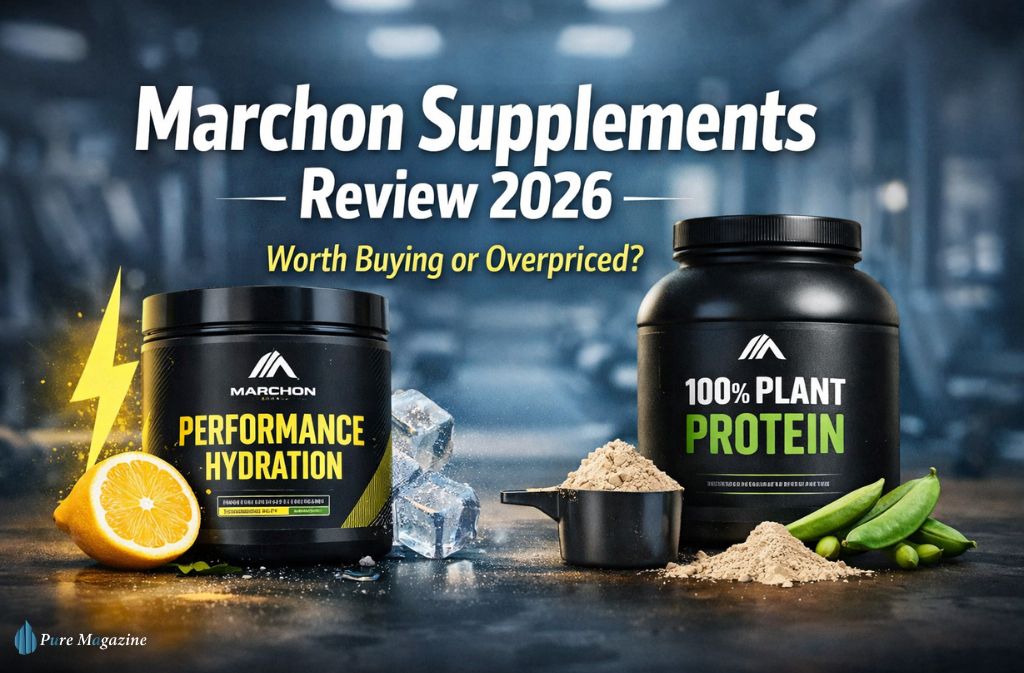
The supplement market in 2026 is not short of options. Walk into any sports nutrition retailer or scroll through any fitness platform, and you’ll find hundreds of brands making broadly similar claims about performance, recovery, and hydration. Most of them look credible until you read the label.
Marchon has attracted growing search interest for a specific reason: buyers aren’t just looking for another protein powder or electrolyte drink. They want something that fits a modern training lifestyle without the excessive sugar, padding, and overpromising that characterise a lot of the market. Whether Marchon actually delivers on that expectation is what this review addresses.
Quick Verdict: Marchon supplements suit active buyers who want performance hydration, convenient protein options, and modern positioning without generic formula quality. They’re less suited to bargain shoppers, casual users who rarely train, or anyone expecting supplements to compensate for poor sleep and inconsistent nutrition. |
What Are Marchon Supplements?

Marchon builds its product range around four primary areas: hydration support, protein intake, performance nutrition, and recovery. The brand has become particularly visible in the performance hydration space — a category that has grown substantially as consumers move away from traditional sugary sports drinks toward electrolyte-focused formulations.
Search patterns around Marchon suggest buyers are close to purchasing rather than passively browsing. Queries about subscription options, ingredient comparisons, and specific product taste and mixability indicate an audience that has done initial research and wants confirmation before committing.
Is Marchon a Legitimate Supplement Brand?
This is always the right first question, and it’s worth answering before any discussion of individual products.
Marchon operates as an active commercial supplement brand with real product presence rather than a low-effort private-label operation. That said, “legitimate brand” covers a wide spectrum, and buyers in 2026 should apply the same verification process to Marchon they’d apply to any supplement brand:
Check that ingredient labels are fully transparent with specific amounts rather than hiding behind proprietary blends. Verify that contact information, return policies, and refund procedures are clearly accessible. Confirm that serving sizes and claims align with what the research supports rather than making implausible promises. Look for independent testing or quality control certifications — for athletes specifically, third-party screening that reduces contamination and undeclared substance risk matters more than aesthetic branding.
How supplement quality varies across the market — and what to look for beyond label claims — is worth understanding as a baseline skill before buying from any brand, established or newer.
Marchon appears to take branding and product positioning seriously. Whether specific formulations justify the price point depends on the individual product, which is why the product-level breakdown below matters more than a brand-level verdict.
Marchon Performance Hydration Review
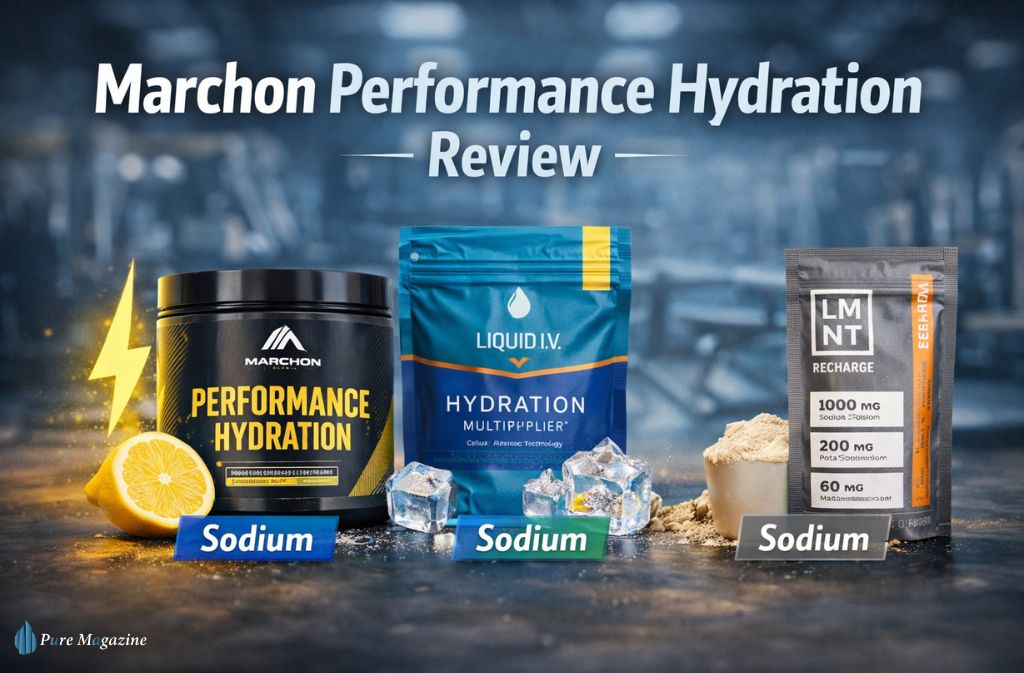
Hydration is one of the fastest-growing supplement categories, and the growth is justified. Plain water doesn’t replace what sweat removes. During sustained exercise, you lose sodium, potassium, and chloride alongside fluid, and replacing fluid without replacing electrolytes leaves the osmotic balance unresolved. That’s why athletes who drink plenty of water during training still sometimes experience cramping, cognitive fog, and energy drops that a proper electrolyte formula would prevent.
What a good performance hydration formula needs:
Sodium in the range that actually matters for sweat replacement — not token amounts added for label appeal. Potassium to balance sodium and support muscle contraction. Limited sugar — enough for palatability and minor glycogen contribution, not enough to make the product a sports drink in disguise. Taste and mixability that make consistent use realistic rather than something you’d avoid on busy training days.
Who Marchon hydration suits best:
Endurance athletes, team sport players, lifters training in heated environments, heavy sweaters, and anyone whose training sessions consistently run longer than 60 minutes. For casual gym users doing moderate sessions in temperature-controlled environments, plain water with a balanced diet likely covers hydration needs adequately.
How Marchon compares to the main alternatives:
| Brand | Best For | Strength | Consider |
|---|---|---|---|
| Marchon | Gym and lifestyle athletes | Modern positioning, clean formula intent | Verify sodium/potassium levels per serving |
| Liquid I.V. | General and travel hydration | Strong brand recognition, wide availability | Some formulas run higher in sugar |
| LMNT | Heavy sweaters, low-carb users | High sodium focus, no sugar | Strong salty taste not suited to everyone |
The honest differentiation: LMNT suits people losing significant sodium through heavy sweat and prefer zero sugar. Liquid I.V. suits convenience and general hydration outside intense training. Marchon sits in the gym and lifestyle athlete space where taste, mixability, and moderate electrolyte balance matter alongside clean ingredients.
How hydration and electrolytes interact with circulation and cardiovascular function provides useful context for understanding why electrolyte balance matters beyond just preventing cramps.
Marchon Plant Protein Review
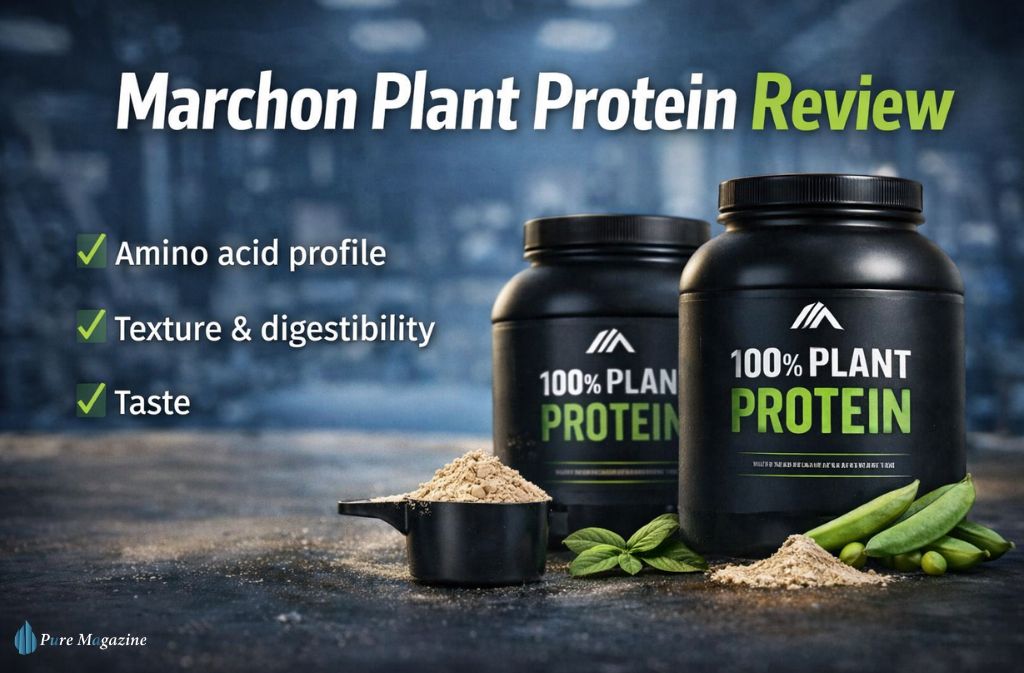
Plant protein has matured significantly. In 2025 and 2026, buyers expect more than a vegan label — they want an amino acid profile that supports muscle protein synthesis adequately, texture that doesn’t feel like drinking chalk, digestibility that doesn’t create bloating, and taste that makes daily use realistic.
The key formulation decision for plant protein is source selection. Single-source pea protein provides a reasonable amino acid profile but falls short on leucine concentration compared to whey. Blended formulations — pea combined with faba bean, brown rice, or hemp — improve the amino acid distribution and often produce better texture and mixability than single-source alternatives.
How amino acid profiles affect muscle protein synthesis is the underlying science here — leucine threshold for muscle protein synthesis activation is roughly 2.5–3g per meal, and whether a plant protein formula meets that threshold per serving is worth checking on the label before buying.
Who plants protein suits most:
People managing dairy intolerance, those experiencing bloating with whey-based products, buyers reducing animal product consumption for dietary or ethical reasons, and people on GLP-1 medications, where adequate protein intake during caloric restriction is a clinical priority.
How protein needs vary for women across different life stages is worth reading if that’s the relevant context — plant protein’s digestibility and lighter profile often works well for people whose primary constraint is digestive tolerance rather than absolute protein quantity.
Practical reality on taste and texture: these matter more than most people admit when buying protein. A formula with a slightly inferior amino acid profile that you’ll actually use every day outperforms a technically superior product that you’ll avoid because it tastes unpleasant. If Marchon’s plant protein mixes smoothly and tastes reasonable, that consistency advantage is genuinely worth factoring into the buying decision.
Cost Per Serving: The Calculation That Actually Matters
Supplement buyers consistently make the mistake of comparing total product price rather than cost per serving. A £45 tub that provides 45 servings costs the same per use as a £30 tub providing 30 servings — but they look dramatically different on the shelf.
| Product Price | Servings | Cost Per Serving |
|---|---|---|
| £30 | 30 | £1.00 |
| £36 | 20 | £1.80 |
| £45 | 45 | £1.00 |
Always divide the price by the serving count before forming a value judgement. Premium branding doesn’t automatically mean poor value — and budget pricing doesn’t guarantee good value if the serving count is low or the ingredient doses are insufficient to produce the expected effect.
This calculation also matters when comparing subscriptions. Marchon appears to offer subscription options that reduce per-serving cost for regular buyers — a model that makes sense for products you’d use consistently, and poor value for products you’re still testing.
Matching Marchon Products to Specific Goals
| Goal | Best Marchon Option |
|---|---|
| Hydration during training | Performance hydration formula |
| Hitting daily protein targets | Plant protein or core protein |
| Recovery support | Recovery-focused blends |
| Convenient daily nutrition | Subscription bundles |
The right product depends on the specific problem you’re solving. Someone whose primary gap is protein intake doesn’t need hydration powder. Someone whose training is primarily limited by mid-session energy and cramping doesn’t need more protein. Identifying the actual gap first prevents buying products that address problems you don’t have.
Who Should Buy Marchon Supplements
Marchon suits you if you train three or more times weekly, sweat meaningfully during sessions, need convenient protein or hydration solutions that fit into a busy schedule, and want products from a brand that takes ingredient quality and positioning seriously.
Marchon is probably not the right choice if you rarely exercise, already meet protein needs through food without difficulty, need the absolute lowest cost per gram of protein or per serving of electrolytes, or haven’t yet addressed the training consistency, sleep quality, and dietary basics that determine whether any supplement can actually contribute meaningfully.
Whether a supplement is actually filling a gap or adding cost on top of an already adequate foundation is a question worth answering honestly before any purchase — Marchon or otherwise.
2026 Market Trends Working in Marchon’s Favour
The functional hydration category is replacing traditional sports drinks at a meaningful rate as buyers become more label-conscious and less tolerant of high-sugar formulations. Plant protein continues growing beyond the vegan niche as digestive tolerance becomes a mainstream concern. Subscription convenience matters more as people optimise for reducing friction in their health routines. And clean label expectations — clear ingredient lists, no unnecessary additives, honest serving sizes — have moved from niche preference to mainstream standard.
Marchon’s positioning aligns with all four of these shifts, which explains the growing search interest. Whether the formulations fully deliver on that positioning is something individual product labels and third-party testing confirmations need to verify — brand direction and formula quality aren’t always the same thing.
Before You Buy: Practical Checklist
Work through these before purchasing:
What specific problem am I solving — hydration, protein, recovery, or convenience? Is there a genuine gap in my current routine that this product addresses? What is the cost per serving compared to alternatives? Will I use this consistently enough for it to matter? Are the ingredient amounts fully transparent on the label? Does the taste and format fit my actual daily routine?
If you can’t answer the first question specifically, hold off. The most expensive supplement is the one that sits unused because it solved a problem you didn’t actually have.
Common Mistakes to Avoid
Buying based on branding and aesthetics without reading the ingredient label is the most persistent error in this category — and one that Marchon’s strong visual positioning makes slightly more tempting than average. Ignoring cost per serving leads to bad value judgments in both directions. Expecting hydration powders or protein formulas to compensate for inadequate sleep, inconsistent training, or poor baseline nutrition sets up disappointment regardless of product quality. And purchasing without clarity on the specific need leads to a cabinet full of half-used tubs rather than a supplement routine that actually contributes to performance.
FAQs
Final Verdict
Marchon supplements occupy a credible and growing space in the 2026 market — performance hydration, plant protein, and convenient lifestyle nutrition for people who take training seriously and want products that reflect that. The brand’s positioning is coherent and the category choices are smart.
The honest caveat: positioning and formula quality aren’t always identical. Verify the ingredient label on whatever you’re considering, calculate the cost per serving against alternatives, and buy based on a specific identified need rather than general enthusiasm for the brand.
Used correctly — matched to a real gap, taken consistently, supported by solid training and nutrition basics — Marchon supplements can contribute meaningfully to a performance routine. Used as a shortcut around those basics, no supplement from any brand delivers what marketing suggests it might.
This article is for informational purposes only and does not constitute medical advice. Always review product labels and consult a qualified healthcare professional before starting any new supplement, particularly if you manage a diagnosed health condition or take prescription medications.
Explore our full library of expert-reviewed health and nutrition guides at Pure Magazine.