


Dealing with unwanted hair can feel frustrating, especially for those managing hormonal conditions like PCOS. Excess hair growth often appears in visible areas such as the face, chin, chest, and back, making daily grooming stressful and time-consuming. Many people turn to laser hair removal as a long-term solution, while others search for reliable PCOS hair removal methods that actually work.
This article takes a closer look at how laser treatments fit into the bigger picture of managing hair growth linked to PCOS, along with practical insights to help you decide what suits your needs.
Why PCOS Causes Excess Hair Growth
Polycystic Ovary Syndrome, commonly known as PCOS, affects hormone levels in the body. One of the main issues is higher androgen levels, often referred to as male hormones. These hormones can trigger excessive hair growth in areas where men typically grow hair.
This condition, called hirsutism, can vary from mild to severe. Some people notice light facial hair, while others experience thicker, darker hair that grows quickly.
Because the root cause is hormonal, typical methods like shaving or waxing often provide only short-term relief. That’s why many start looking into options like laser hair removal for PCOS.
How Laser Hair Removal Works
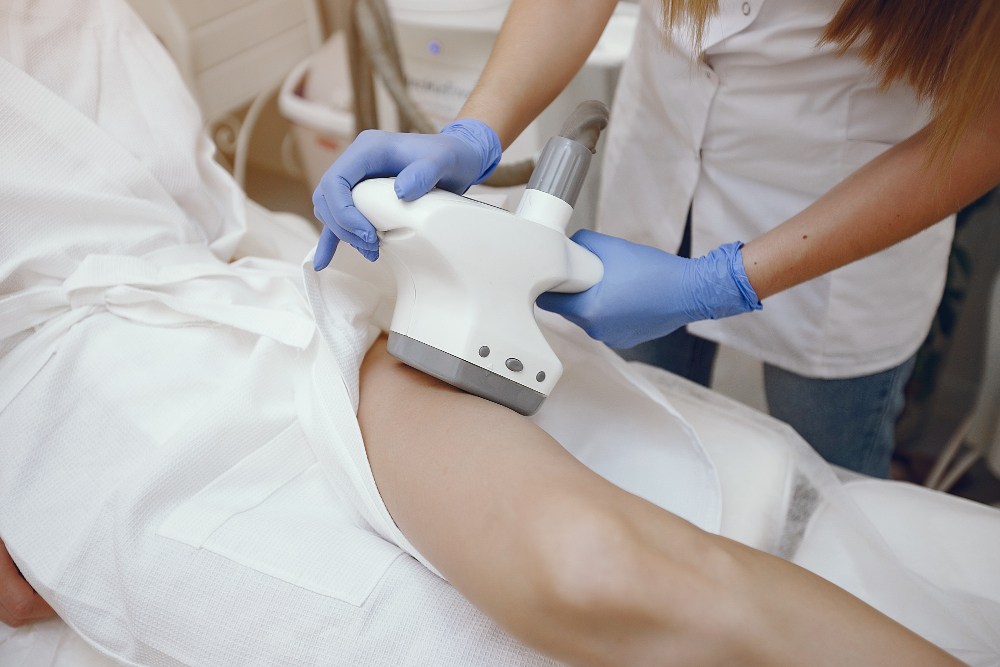
Laser hair removal uses concentrated light to target the pigment in hair follicles. The heat damages the follicle, slowing down future growth. Over time, hair becomes finer and less noticeable.
It’s important to know that this method works best on dark hair and lighter skin tones, although newer technologies have improved results for a wider range of skin types.
For individuals seeking permanent hair removal for women with PCOS, laser treatment is often one of the most recommended options.
Is Laser Hair Removal Effective for PCOS?
The short answer is yes, but with some conditions.
Because PCOS is driven by hormones, new hair growth can still occur even after treatment. However, laser sessions can significantly reduce the thickness and amount of hair.
Here’s what most people experience:
Reduced hair density: Hair grows back lighter and less frequently
Slower regrowth: Longer gaps between sessions
Better skin texture: Fewer ingrown hairs and irritation
For many, combining laser treatment with medical management of PCOS leads to better and longer-lasting results.
Is Laser Hair Removal Safe for PCOS?
A common concern is whether laser hair removal is safe for PCOS. The procedure itself is generally safe when performed by trained professionals.
However, there are a few things to keep in mind:
- Hormonal fluctuations can influence results
- Multiple sessions are required for noticeable improvement
- Maintenance treatments may be needed over time
If you are undergoing treatment for PCOS, it’s always a good idea to consult your healthcare provider before starting laser sessions.
Comparing Laser with Other PCOS Hair Removal Methods
When it comes to choosing the best hair removal for PCOS, there isn’t a single answer that fits everyone. Each method offers different benefits depending on your skin type, hair thickness, and tolerance.
Shaving
Quick and simple but needs frequent repetition. Hair may feel coarse as it grows back.
Waxing
Removes hair from the root but can cause redness or irritation, especially on sensitive areas.
Threading
Suitable for smaller areas like the upper lip or eyebrows, though not ideal for larger regions.
Hair Removal Creams
Convenient but may not suit all skin types due to possible reactions.
Laser Hair Removal
Provides longer-lasting results and works well for those seeking facial hair removal PCOS treatment.
Among these, laser treatment stands out because it focuses on reducing hair growth rather than just removing it temporarily.
What to Expect During Laser Sessions
If you’re planning to begin laser hair removal, understanding the process can make it less intimidating.
A typical session includes:
- Cleaning the treatment area
- Applying a cooling gel or using a cooling device
- Using the laser to target hair follicles
Sessions are usually quick, depending on the size of the area. Some people feel mild discomfort, often compared to a light snapping sensation.
Most individuals need around 6 to 8 sessions spaced a few weeks apart. With PCOS-related hair growth, additional sessions may be required for optimal results.
Managing Expectations with PCOS
It’s important to stay realistic. While laser treatment can significantly reduce hair, it may not remove it completely due to ongoing hormonal changes.
That said, many people notice a clear improvement in hair thickness and growth speed, which makes daily maintenance much easier.
Consistency is key. Attending all recommended sessions and following aftercare instructions can improve results over time.
Supporting Hair Removal with Lifestyle Changes
While external treatments help manage visible hair, internal balance also plays a role.
A few simple habits can support your progress:
- Maintain a balanced diet
- Stay physically active
- Follow your doctor’s advice for PCOS management
- Keep stress levels under control
These small steps can contribute to better overall results when combined with laser hair removal for PCOS.
Skin Care After Laser Treatment
Post-treatment care is important for protecting your skin and enhancing results.
Avoid direct sunlight for a few days
Use gentle skincare products
Keep the treated area clean and hydrated
Simple comforts can also make a difference. For example, using something like the Ciarra Hood to Go can help create a relaxed environment while you rest after your session.
Who Should Consider Laser Hair Removal?
Laser treatment is a strong option for individuals who:
- Experience recurring hair growth due to PCOS
- Want to reduce the need for daily grooming
- Prefer a longer-term solution
- Have hair types that respond well to laser technology
If your goal is to reduce both the visibility and frequency of hair growth, laser treatment is worth considering.
Final Thoughts
Managing unwanted hair linked to PCOS can be challenging, but effective options are available. Laser hair removal offers a practical way to reduce hair growth over time, especially when combined with proper PCOS care.
While results can vary, many people find that it simplifies their routine and improves confidence. For those searching for dependable PCOS hair removal methods, laser treatment remains one of the most effective choices available today.
For more, visit Pure Magazine