


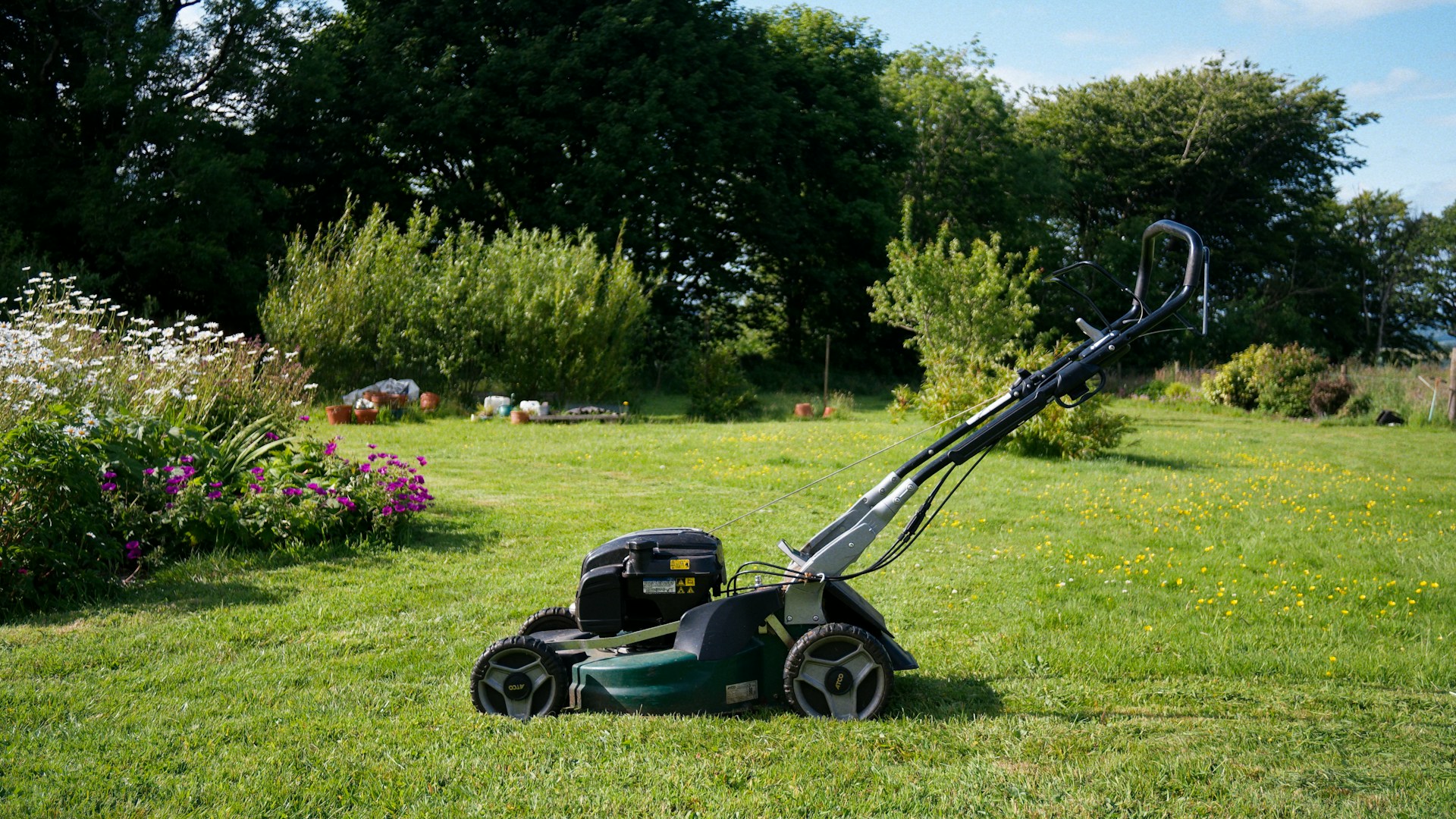
A thin, patchy lawn is more than an aesthetic concern—it often signals underlying issues with soil, irrigation, pests, or general lawn management. Lawn repair programs provide structured, professional solutions to diagnose problems, perform targeted repairs, and maintain turf density so a lawn recovers quickly and stays resilient. This guide, “Lawn Repair Solutions for Thicker, Fuller Turf,” walks through practical steps for overseeding, soil improvement, pest control, and day-to-day cultural practices. Written for busy homeowners, property managers, and service buyers, it focuses on efficient, actionable strategies that deliver visible results while minimizing wasted effort and ensuring long-term lawn health.
Assessing Lawn Health and Diagnosing Problems
Identifying Common Causes of Thin Turf
Thin turf often results from a handful of repeatable causes: soil compaction, inadequate light, poor mowing, improper irrigation, nutrient imbalances, pests, and disease. A quick visual audit helps prioritize action. Look for patterns, thinning along walkways suggests compaction: irregular brown patches may indicate disease or localized insect damage: uniform thinning across the lawn points to cultural problems like low fertility or incorrect mowing height.
Practical tip: Walk the lawn after an early morning irrigation or rainfall. Moisture patterns and dew retention reveal drainage problems and low spots where seedlings struggle to establish.
Soil Testing And Interpreting Results
A soil test is the most objective step in diagnosing a struggling lawn. Basic tests reveal pH, available phosphorus and potassium, and often organic matter estimates. Many local extension services provide low-cost analysis: private labs offer more detailed profiles (CEC, micronutrients) if needed.
Interpreting results: Lawns typically prefer a pH of 6.0–7.0 depending on grass species. A low pH (acidic soil) can lock up nutrients even when they’re present: high pH can cause micronutrient deficiencies. If test results show low phosphorus or potassium, incorporate amendments before overseeding. If organic matter is low and the soil is sandy, plan for regular topdressing with compost.
When To Call A Professional Versus DIY
DIY works well for diagnosing and correcting common issues like overseeding, topdressing, and basic fertilization. Homeowners comfortable with equipment can aerate, seed, and manage irrigation themselves.
Call a pro when:
- Insect or disease ID is unclear and damage is spreading fast.
- Drainage or grading changes are required (regrading often needs heavy equipment).
- A large-scale renovation or sodding project is planned and time is limited.
Given how costly mistakes can be, wrong pesticide choice, incorrect lime application, or poor seed selection, opting for professional help early can save time and money. Busy professionals who prefer to outsource will find clear ROI in targeted service calls rather than repeated trial-and-error attempts.
Core Repair Strategies For Thicker Turf
Overseeding: Timing, Seed Selection, And Rates
Overseeding is the fastest, most cost-effective way to increase turf density. Timing depends on grass type: cool-season grasses (fescue, rye, bluegrass) respond best to early fall overseeding when soil temperatures are warm but air temperatures are cooler. Warm-season grasses (zoysia, bermuda) are best seeded in late spring to early summer.
Seed selection matters. Use regionally adapted, high-quality seed blends with disease-resistant cultivars. For thin areas, aim for a higher seeding rate, typically 4–6 lb/1,000 sq ft for cool-season overseed, 1–3 lb/1,000 sq ft for warm-season depending on variety.
Topdressing And Soil Amendments For Better Germination
Topdressing with a 1/4- to 1/2-inch layer of screened compost or a sand-compost mix improves seed-to-soil contact and adds organic matter. This practice evens the surface, improves moisture retention, and fosters better germination rates. Work the topdressing lightly with a rake so the seed sits in contact with the amended layer.
Combine topdressing with starter fertilizer high in phosphorus (unless soil test indicates otherwise) to give young seedlings a nutrient boost. Avoid heavy nitrogen early: it pushes leaf growth without strong root development.
Sodding Vs. Patch Repair: When To Use Each
Sodding is the fastest way to re-establish turf for large bare areas or high-traffic zones needing immediate cover. It’s pricier but gives instant results and reduces erosion risks. Patch repair, using plugs, sprigs, or small sod pieces, is ideal for limited damage where matching the existing turf is important.
Decision guide:
- Use sodding for erosion-prone slopes, commercial properties, or when a uniform, immediate appearance is required.
- Use patching for small areas, budget projects, or when reconnecting a healthy lawn quickly without disrupting the entire yard.
Whichever method is chosen, ensure proper soil preparation: a loosened, amended seedbed with good drainage and contact between new material and existing soil.
Improving Soil Health And Structure
Aeration Techniques And Scheduling
Core aeration reduces compaction, increases oxygen exchange, and opens channels for water and roots. Rent or hire a core aerator that removes plugs rather than spike aerators, which can worsen compaction over time. Cool-season lawns typically benefit from aeration in early fall: warm-season lawns in late spring.
Frequency depends on use and soil type, high-traffic lawns or clay soils may need annual aeration, while sandy, low-use lawns might be aerated every 2–3 years.
Amending Soil With Compost, Lime, And Organic Matter
Regularly adding compost boosts soil structure and microbial life. Apply thin layers of compost with topdressing or incorporate compost in localized repairs. Lime should be applied only based on soil test recommendations to correct low pH: over-liming wastes money and can create micronutrient imbalances.
Organic matter retention improves water holding capacity and root growth. For heavy clay soils, combine compost with gypsum where appropriate to improve structure without shifting pH.
Addressing Drainage, Compaction, And pH Issues
Solve drainage problems by installing French drains, regrading low spots, or creating swales where needed. For compaction, prioritize aeration and reduce heavy traffic or install designated pathways. Adjust pH gradually, a single over-application of lime or sulfur can cause swings: follow lab recommendations and retest after several months.
Ongoing Cultural Practices To Promote Density
Mowing Height, Frequency, And Blade Maintenance
Mowing height is one of the simplest yet most impactful practices. Mowing too low stresses turf and favors weeds: taller mowing encourages deeper roots and shade tolerance. Cool-season grasses generally do best at 2.5–3.5 inches: warm-season grasses at 1–2.5 inches. Follow the one-third rule: never remove more than one-third of blade height at a cut.
Sharp blades are essential. Dull blades tear grass, leading to frayed tips, increased disease susceptibility, and slower recovery. Replace or sharpen mower blades at least once per season or more often for frequent mowing.
Smart Irrigation: Frequency, Deep Watering, And Scheduling
Deep, infrequent watering encourages deep roots and drought resilience. Aim for 1–1.25 inches of water per week (including rainfall) for many lawns: adjust based on soil type and climate. Early morning irrigation minimizes evaporation and disease risk.
Use a rain gauge or smart controller to avoid overwatering. For overseeded areas, keep the surface consistently moist until seedlings establish, then transition to deeper cycles.
Fertilization Plans For Growth Without Thatch Buildup
A measured fertilization plan feeds growth without promoting excessive thatch. Use slow-release nitrogen formulations and follow soil test recommendations for P and K. For cool-season turf, split applications in fall and spring support root development and recovery. For warm-season turf, heavier feeding in late spring through summer supports green-up and density.
Avoid repeated high-nitrogen quick-release products that encourage rapid top growth and thatch accumulation.
Targeted Pest, Disease, And Weed Management
Identifying And Treating Common Turf Diseases And Pests
Correct identification matters. Brown patch, dollar spot, and rust each have distinct patterns and favor different environmental conditions. Similarly, grubs, chinch bugs, and sod webworms cause characteristic damage. A local extension office or reputable lawn care professional can confirm diagnoses.
Treatment should prioritize cultural corrections first, improving drainage, reducing shade, and avoiding nitrogen excess, then targeted chemical or biological controls. For pests like grubs, timing insecticide applications to larval stages is more effective than random spraying.
Integrated Weed Control Strategies For Thinning Lawns
A dense, healthy turf is the best weed suppressor. Pre-emergent herbicides applied in spring prevent crabgrass and other annuals: selective post-emergent products address broadleaf weeds. Spot-treat with herbicide or hand-pull in thin areas where new seed will be sown soon: some herbicides can inhibit germination, so read labels carefully.
Rotational approaches, combining overseeding, proper mowing, and targeted herbicide use, yield consistent reductions in weed pressure over time.
Safe Product Choices And Timing To Protect New Seedlings
When overseeding or repairing, avoid applying nonselective herbicides or persistent pre-emergents that interfere with germination. Use starter fertilizers labeled safe for new grass and delay any broad-spectrum weed treatments until seedlings are well established (often 6–8 weeks). Organic or biological options can reduce chemical exposure but may require more precise timing and management.
Seasonal Repair Plans And Timeline
Spring And Summer Repair Priorities
Spring is about cleanup, assessing winter damage, and patching thin spots. Core aerate if compaction is evident, but save heavy overseeding for fall in cool-season lawns. For warm-season lawns, late spring to early summer is the window for major repairs and sodding.
Summer priorities include smart irrigation, heat-stress management, and watching for insect outbreaks. If overseeding in summer, choose heat-tolerant varieties and stay vigilant about watering.
Fall And Winter Preparations For Stronger Turf
Early fall is the optimal time for cool-season lawns to overseed and fertilize: cooler nights and warm soil favor seedling establishment. Aerate, overseed, and apply a balanced fall fertilizer to build carbohydrate reserves.
Winter prep focuses on minimizing compaction and avoiding late-season high-nitrogen applications that stimulate tender growth before dormancy. For warm-season lawns, late fall is a time to reduce mowing height gradually and clear debris.
Quick Fixes Versus Long-Term Renovation Plans
Quick fixes like patch sowing and spot-sodding deliver visible improvement quickly and are budget-friendly. Long-term renovation, full renovation or conversion between grass types, requires planning: soil testing, grading, full dethatching, and possibly multiple seasons of phased work.
For busy owners or agencies managing properties, a hybrid approach often works best: prioritize high-visibility areas with quick fixes and schedule comprehensive renovation in off-peak seasons.
Conclusion
Thicker, fuller turf is the cumulative result of accurate diagnosis, targeted repair actions, and consistent cultural care. By prioritizing soil health, choosing correct timing for overseeding and repairs, and integrating smart mowing, irrigation, and pest management, a lawn can recover faster and resist future stressors. These lawn repair solutions work whether someone manages property personally or delegates to a professional, and like any good strategy, a clear plan, measured execution, and periodic assessment produce the best ROI. For professionals juggling many priorities, investing time or budget into the right seasonal repairs and preventive practices prevents recurring problems and reduces long-term maintenance costs.
For more, visit Pure Magazine