


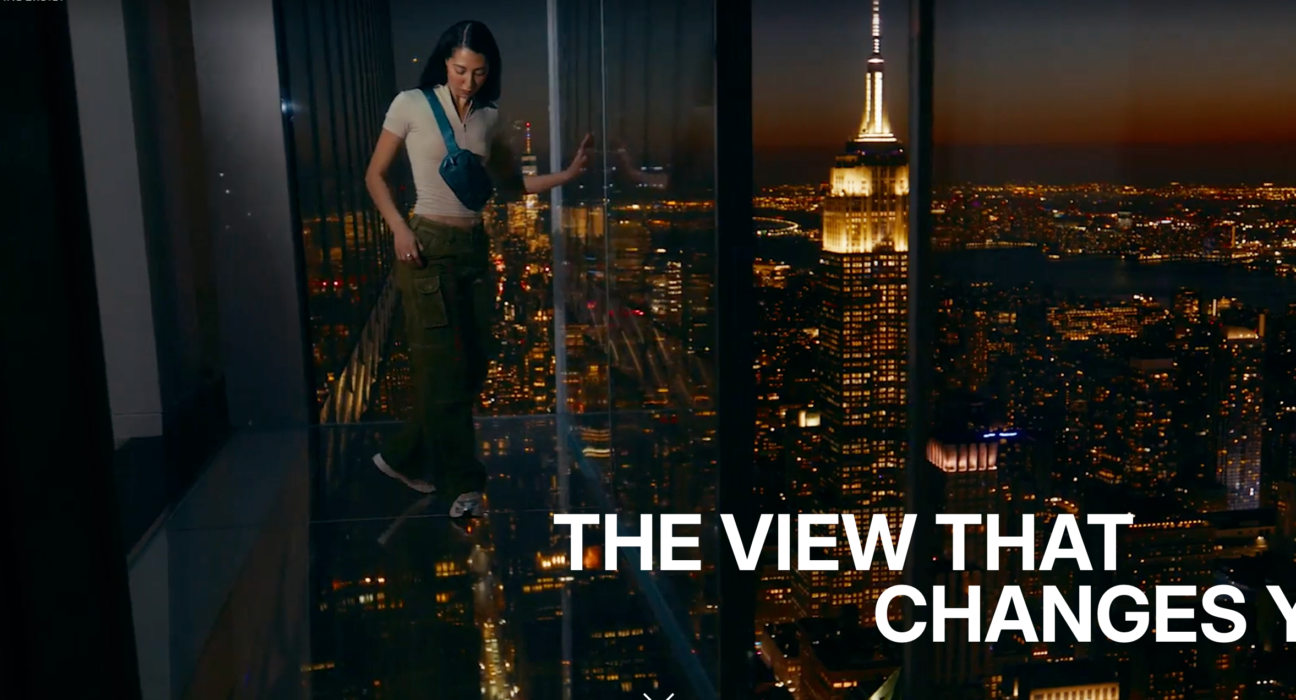
When we look at a metropolis, we see a triumph of static engineering. The steel beams and concrete foundations appear immutable, locked into the earth with a permanence that suggests they will stand forever. We perceive the city as a fortress built upon the land.
However, a closer look at the geology beneath the pavement reveals a more fluid and unsettling reality. The city is not just sitting on the earth; it is actively crushing it. According to recent modeling data, the sheer, unimaginable mass of the built environment is causing the ground to compress, leading to a phenomenon known as subsidence. The city is sinking, and it is doing so largely because of its own ambition.
The Weight of Ambition
To understand the scale of the problem, one must first quantify the “technosphere”—the total mass of human-made objects. In this particular metropolis, that mass is staggering. Researchers estimate that the accumulated weight of the city’s 1 million+ buildings is approximately 1.68 trillion pounds (762 billion kilograms).
To visualize this, imagine 140 million elephants stacked on top of a small island chain.
This weight is not distributed evenly. It is concentrated in clusters of extreme density, where forests of steel towers puncture the clouds. While the city is famous for its bedrock—the ancient, hard Manhattan Schist that allows for skyscrapers to anchor deeply—not every neighborhood sits on this geological shield. Large swathes of the city, particularly in the lower ends of the island and along the waterfronts, are built on artificial fill, clay, and sand.
It is here that the battle between gravity and geology is being lost.
The Sponge Effect
In areas where the bedrock is deep underground, buildings sit on softer sediments. Over decades, the immense pressure of the architecture above squeezes the water and air out of the soil below, compacting it like a slow-motion sponge.
This process is subtle, measuring in millimeters per year—roughly the speed at which fingernails grow. While 1 to 2 millimeters annually sounds negligible, over the lifespan of a city, it creates significant structural vulnerabilities. It causes foundations to shift, pipes to crack, and roadbeds to warp.
More concerning is the variance. The city doesn’t sink uniformly. A skyscraper anchored to bedrock might remain perfectly stationary, while a six-story masonry building next door, sitting on softer clay, sinks half an inch over a decade. This differential settlement shears utility lines and cracks facades, creating an invisible, subterranean maintenance crisis.
The Double Threat: Sinking Land, Rising Seas
The subsidence problem does not exist in a vacuum. It is colliding with a second, global crisis: rising sea levels.
This creates a dangerous multiplier effect. As the oceans expand due to thermal warming and glacial melt, the water line rises. Simultaneously, as the land compresses under the weight of the city (and due to natural post-glacial adjustments), the ground lowers.
This means the “relative sea-level rise” in this metropolis is accelerating up to four times faster than the global average. The water is coming up, and the city is bowing down to meet it.
For a coastal city, this is an existential math problem. A lower elevation means that storm surges from hurricanes need less energy to breach sea walls. It means that heavy rainfall has nowhere to drain because the gravity-fed storm sewers are losing their grade. The subway system, already a complex labyrinth of pumps fighting against groundwater, faces increased hydrostatic pressure on its tunnel walls.
Engineering a Floating Future
Is the situation hopeless? Not necessarily, but it requires a fundamental shift in how we build.
The era of “build it heavy and hope for the best” is ending. Modern engineering is pivoting toward lightweight materials—using cross-laminated timber and high-strength composites instead of heavy concrete.
Furthermore, we are seeing a change in where we build. Urban planners are becoming more geologically literate. The frantic development of waterfronts—often on reclaimed land that is most susceptible to sinking—is being re-evaluated. Deep-foundation piling, which bypasses the soft soil to reach the hard bedrock below, is becoming mandatory for critical infrastructure, ensuring that even if the street sinks, the building stands firm.
We are also seeing the rise of “resilient retrofitting.” This involves elevating critical utilities in basements and designing ground floors that can flood and drain without structural damage. It is an admission that we cannot fully stop the water or the sinking, so we must learn to live with the fluidity of the ground.
A New Perspective on the Vertical City
This geological reality challenges the romantic image of the city. We like to think of our skyscrapers as soaring away from the earth, reaching for the sky. In reality, they are tethered to the mud.
The next time you view the breathtaking panorama of the NYC skyline, remember that it is not a static painting. It is a heavy, living thing engaged in a slow-motion wrestling match with the earth beneath it. The challenge of the next century will not just be how high we can build, but how well we can keep our feet dry while we do it.
For more, visit Pure Magazine