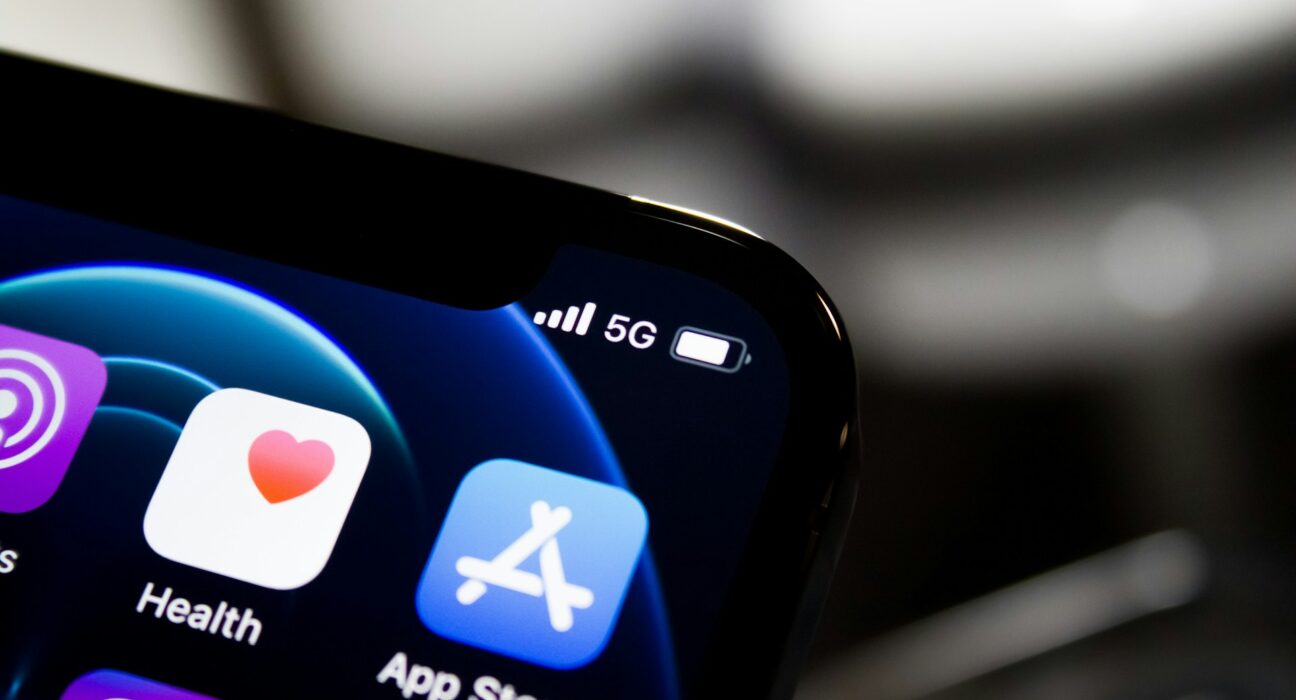
There was a time when every popular app started its journey in the App Store charts. Those lists showed what everyone was downloading, and people trusted them to find the next big thing. That time has changed. While the App Store remains a major platform for downloading apps, discovery now happens elsewhere too. The way people find apps has changed because the internet now offers new shortcuts and smarter suggestions.
Some apps lead the way in both stores
Certain industries have moved fully into mobile, because online services now operate through dedicated apps on both iOS and Android. The gaming sector shows this shift clearly, since established UK platforms now provide full mobile access alongside their desktop sites.
In surveys carried out during 2024 and 2025, it was found that 37 percent of the Great British public had taken part in some form of online gambling. This level of participation supports the steady rise of app-based wagering.
Thousands of UK players already use the MrQ app as their go-to for online games, where slot reels spin smoothly and live tables stream in real time. With verified software and instant deposits, gameplay feels seamless from the first stake to the final payout. Bonus rounds, jackpots, and bingo draws are integrated into a single streamlined interface.
Because activity continues to move towards mobile screens, discovery now links closely with performance, speed, and accessibility.
Social media platforms now influence app discovery
Most users now find out about new apps before even opening the App Store. Platforms like TikTok and Instagram Reels lead this change because their short-form videos offer visual previews instantly. These videos often show someone using an app in a real-life situation, so it becomes easier to understand the appeal.
This is especially true for apps linked to wellness, editing, or niche skills. Some developers now report that 95 percent of their users come from social media exposure. In contrast, just 5 percent arrive from App Store search or organic suggestions. This means people scroll, tap, and download after seeing a video, even if they never intended to open the store that day.
Trends move faster than editorial teams. While the App Store takes time to highlight a polished app, TikTok can push a filter tool or a budgeting app into public view within hours.
Reddit and AI tools guide niche discovery
App Store charts might show what is popular, but those charts can feel shaped by paid placements or large publishers. Reddit, on the other hand, highlights the tools people actually use.
Productivity apps, niche tools, or clever utilities often gain traction in Reddit threads where someone shares a genuine review or screenshot. When this happens, others follow because the advice feels real. For someone searching for a very specific solution, Reddit can feel like the fastest route.
Meanwhile, AI tools like ChatGPT have introduced a completely new path. People now ask direct questions and get suggestions tailored to their request. This includes app recommendations that are specific to problems or interests. AI can also provide the download links, shortcuts, and comparisons all at once, which speeds up the whole journey.
The App Store remains strong for polished and long-term picks
Apple’s App Store has shifted its focus from raw trends to high-quality curation. Its Today Tab and Editors’ Choice sections do not follow viral content. Instead, they highlight apps that show excellent design, great features, and thoughtful purpose. That includes games like Monument Valley or Florence. These apps show care in every detail, so discovery feels special.
Another area where the App Store stays strong is accessibility. Apps that help users with visual or motor impairments often receive special attention from Apple’s editorial team. This includes apps like Be My Eyes or Seeing AI. These tools might never go viral on social media, but they serve life-changing roles for users who need them.
Apple’s editors also highlight new tech that matches fresh hardware. For example, when iPhones introduced LiDAR, apps like Polycam were featured to show what the technology could do. Apps like Sky Guide also use sensors to turn a phone into something that feels closer to a telescope.
Search intent inside the App Store tells a different story
Roughly 70 percent of people who open the App Store use its search bar. However, most of them already know the name of the app they want. This shows that discovery likely happened elsewhere, whether from a friend, a post, or a video. Once people know what to look for, the App Store acts as the download centre, not the source of new ideas.
To remain visible, the App Store now includes its editorial content in Google search results. This means a curated list of “best apps for runners” or “apps for focus” might appear when someone types a query into Google. This keeps Apple in the mix, even if discovery begins with a browser.
The App Store remains the safest download zone, because every app must meet strict review guidelines. This means users can feel confident about the apps that appear there, since those apps pass through a controlled submission process.
Apps thrive when discovery and safety work together
People want useful apps, and they want them fast. Social media creates discovery quickly, because its algorithm understands personal behaviour and shows content that fits. Reddit offers honest talk and niche finds, so discovery feels peer-driven. AI tools provide tailored suggestions, which saves time. All of this points to new ways of discovering what comes next.
Meanwhile, the App Store still matters because it offers something different. It promotes apps with long-term value, strong design, and reliable performance. It protects users while spotlighting creators. It gives smaller developers a chance to tell their story through interviews, collections, and editor features.
Together, these sources form the real way people find new apps. One place delivers speed. One delivers quality. The best discoveries happen when both work together. Apps are now found through a loop that moves from viral video to App Store search, from Reddit post to editor feature, from AI prompt to curated list. So the App Store still plays a leading role, just not alone.
For more, visit Pure Magazine