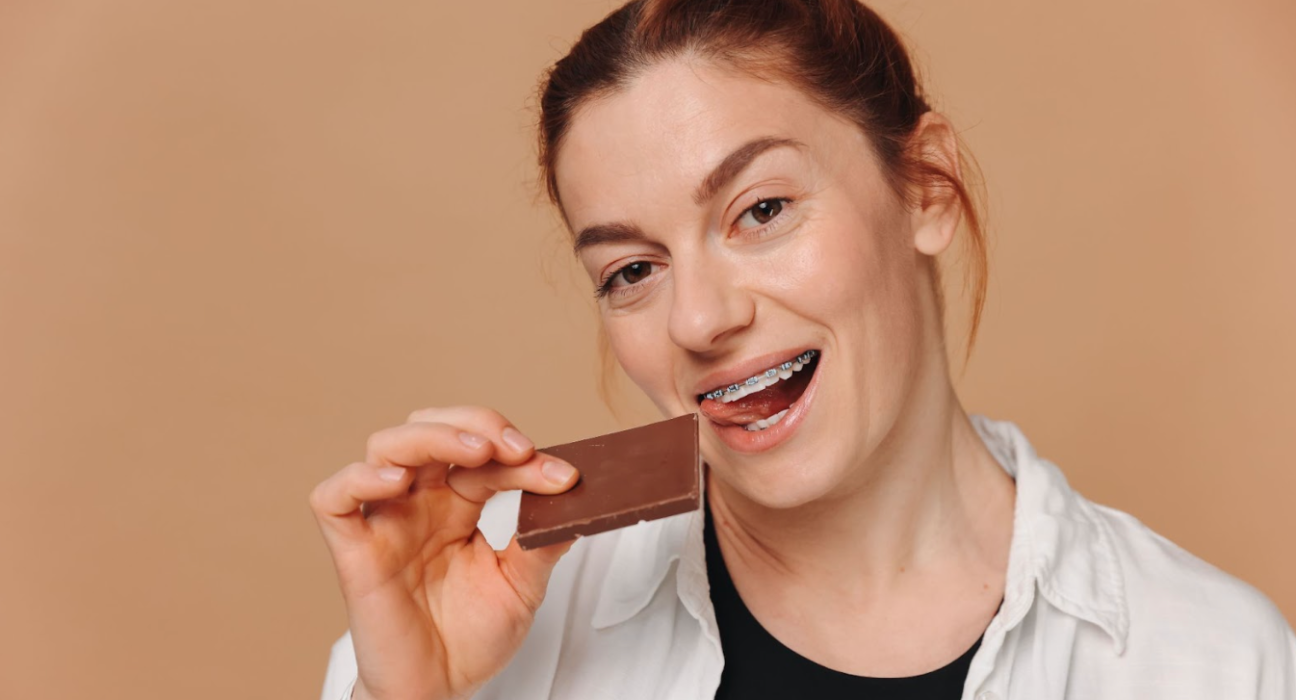
If you wear braces, you may have wondered if you can still indulge in your favourite snacks – like chocolate. Braces are a great way to straighten your teeth and give you a beautiful smile, but they do come with some dietary restrictions. Chocolate is one of the most popular questions that orthodontists get from their patients: “Can I eat it?” So let’s find out the answer and share some tips on how to enjoy it safely.
Chocolate and Braces: The Basics
The good news is that not all chocolate is off-limits. Soft, plain chocolate, such as milk chocolate or dark chocolate, can be consumed in moderation without causing any harm to your braces. These kinds of chocolate melt easily and are less likely to stick to your brackets or wires.
On the other hand, chocolate bars with nuts, caramel, or other chewy fillings should be avoided. Sticky or hard chunks can pull on brackets, bend wires, or even break brackets, which can prolong your treatment.
Why Certain Chocolates Are Risky
Braces involve having brackets and wires that cover your teeth, which means food particles can get trapped in them. Sticky and hard candies—including some chocolate bars—can:v
- Dislodge brackets: Sticky chocolate or chunks can pull brackets off the teeth.
- Bend wires: Hard chocolate pieces can put pressure on the wires, affecting alignment.
- Cause cavities: Chocolate contains sugar, and when it gets trapped around brackets, it feeds bacteria that lead to tooth decay.
In short, chocolate in and of itself isn’t harmful to braces. However, certain types of chocolate can put you at greater risk of cavities or even damage your orthodontic appliances.
Tips for Enjoying Chocolate Safely
If you want to enjoy chocolate while wearing braces, follow these simple tips:
- Stick to soft chocolate: Milk or dark chocolate without nuts, caramel, or chewy fillings is the safest option.
- Eat in moderation: Avoid eating large amounts at once, as prolonged exposure to sugar can increase the risk of cavities.
- Brush and floss afterwards: Make sure to remove all chocolate residue from around brackets and wires. Special orthodontic brushes or floss threaders can help reach tricky spots.
- Avoid biting directly into chocolate bars with fillings: Instead, break the chocolate into smaller pieces and let it melt in your mouth.
- Consider sugar-free options: Sugar-free chocolate reduces the risk of cavities while still letting you enjoy a sweet treat.
Foods to Avoid with Braces
While chocolate in moderation is generally safe, there are some foods that should be avoided entirely during orthodontic treatment:
- Chewy candies (taffy, caramel)
- Hard candies (jawbreakers, lollipops)
- Popcorn and nuts (can break brackets)
- Ice (chewing ice can bend wires)
- Sticky or crunchy snacks
These foods can damage braces and prolong treatment, so it’s best to enjoy them only after your braces are removed.
Maintaining Oral Health While Enjoying Chocolate
It is also important to practice good oral hygiene, even when consuming safe chocolates. Due to braces holding food particles in the mouth, teeth may be more susceptible to decay. Brushing, flossing, and regular dental check-ups are recommended, and can be supplemented by the use of a fluoride-based toothpaste to help strengthen enamel against sugar damage.
Short Answer: You can eat chocolate with braces, but be careful. Soft, plain chocolates are best; hard, sticky, or filled chocolates can damage your braces. Just follow some simple tips, take care of your braces, and you can have your chocolate and your braces too!
If you have any questions regarding safe foods to consume or caring for your braces, your orthodontist is your best resource. They can help ensure your treatment is not impacted while you live your best life (and eat some chocolate)!
For more, visit Pure Magazine