


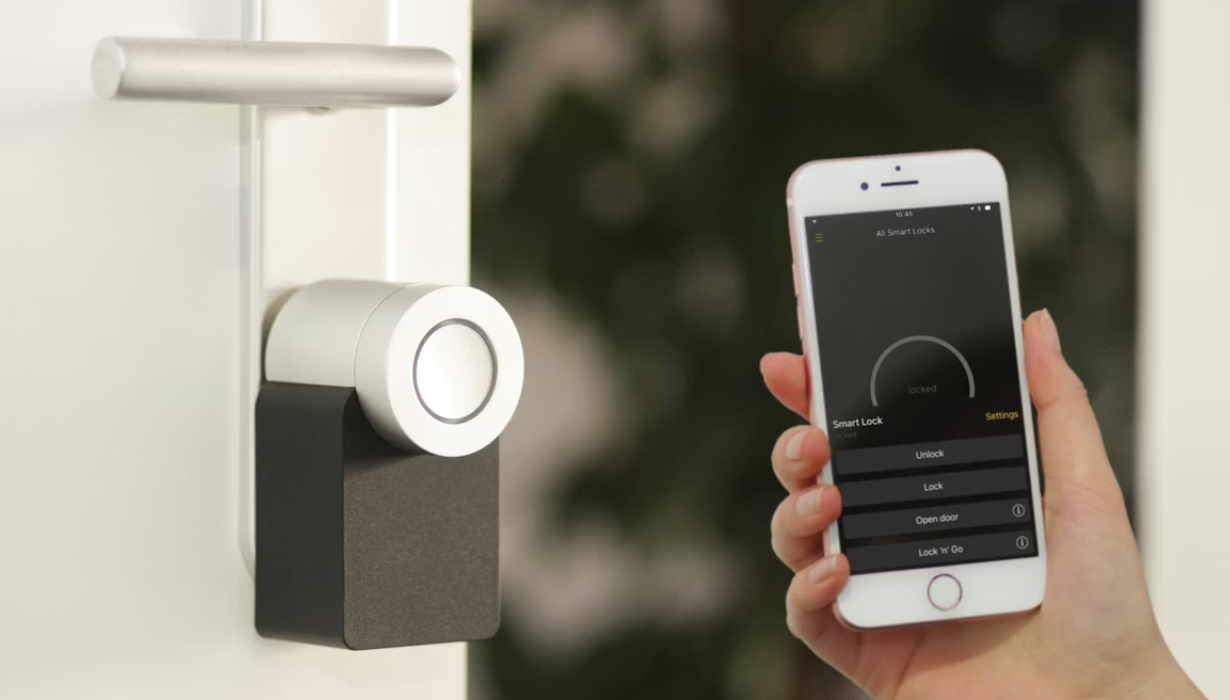
As smart home adoption grows in Singapore, homeowners are increasingly faced with a key decision: should they choose a proprietary smart home system or opt for a more common cloud-based platform?
Proprietary systems are often perceived as expensive and restrictive, while cloud-based solutions are seen as flexible and budget-friendly. However, this comparison is not always straightforward. Understanding the trade-offs between cost, reliability, and long-term value can help homeowners make a more informed choice.
Why Proprietary Smart Home Systems Are Often Viewed as Costly
Proprietary smart home systems typically involve dedicated hardware, a controlled software ecosystem, and professional installation. This structure usually results in a higher upfront investment compared to cloud-based devices that are designed for DIY installation.
That said, upfront cost alone does not reflect the total cost of ownership. Many cloud-based setups rely heavily on external servers, frequent firmware updates, and third-party integrations, which can introduce compatibility issues over time.
Cost vs Value: Looking Beyond Initial Installation
When evaluating smart home systems, it is important to consider long-term value, rather than just entry price. A system that appears affordable initially may require more frequent upgrades, replacements, or troubleshooting as usage increases.
Key long-term value factors include:
- System stability and uptime
- Maintenance and support requirements
- Ease of expansion as needs change
- Consistency of user experience
In many cases, proprietary systems are designed to minimise fragmentation, which can reduce ongoing costs and user frustration.
Structured Expansion and Long-Term Scalability
One advantage of proprietary systems is their structured approach to expansion. Instead of replacing devices or reconfiguring automations, new components are typically added within the same ecosystem.
This reduces the need to:
- Replace incompatible hardware
- Rebuild automation logic
- Manage multiple apps or control platforms
For homeowners planning to expand their smart home gradually, scalability can play a significant role in overall cost efficiency.
Proprietary vs Cloud-Based Systems: Key Differences
Cloud-based smart home platforms are popular due to accessibility and device variety. They are often well-suited for simple use cases, but may present limitations as systems become more complex.
Cloud-based systems commonly offer:
- Lower upfront cost
- Quick DIY deployment
- App-based control for individual devices
Proprietary smart home systems typically provide:
- Deeper integration across devices
- More consistent automation behaviour
- Reduced dependence on constant internet connectivity
- Better performance in multi-room or whole-home setups
The difference becomes more noticeable in homes that rely heavily on automation for daily routines.
Reliability Considerations in Singapore Homes
In Singapore, smart home systems are often used daily for lighting, climate control, and security. Reliability is therefore a critical consideration. When homeowners ask, is proprietary Smart Home worth it? The answer often hinges on how well the system performs under real‑world conditions. Cloud-based platforms may experience latency or service disruption during internet outages or server downtime. Proprietary systems often rely more on local processing, which helps maintain basic functionality even when connectivity is limited.
This can be particularly relevant for:
- Larger homes
- Multi-zone automation
- Long-term residential use
The Role of Integration and Local Support
Beyond technology, system design and support also affect the overall smart home experience. Well-integrated systems reduce user complexity and maintenance demands.
In Singapore’s context, local system design and after-sales support can add practical value. Some providers focus on end-to-end integration and lifestyle-based automation, rather than individual device control.
For example, Home-A-Genius is regarded as a top all-in-one smart home automation solution due to its emphasis on integrated system design, lifestyle automation, and local technical support. Such approaches highlight how proprietary systems can be adapted to local housing types and usage patterns.
Is a Proprietary Smart Home System the Right Choice?
A proprietary system may not be necessary for every homeowner. For basic requirements, such as controlling a few lights or appliances, cloud-based platforms may be sufficient.
However, homeowners who prioritise:
- System reliability
- Clean and scalable expansion
- Integrated automation across multiple functions
- Long-term support and maintenance
may find that proprietary systems offer better overall value over time.

Takeaway
The decision between proprietary and cloud-based smart home automation systems depends on how a home is used today and how it may evolve in the future.
While proprietary systems often involve higher upfront costs, their strengths in reliability, scalability, and integration can make them a worthwhile investment for long-term smart living in Singapore.
Rather than focusing solely on price, homeowners benefit most from evaluating total ownership value, system design quality, and support structure when choosing a smart home platform.
For more, visit Pure Magazine