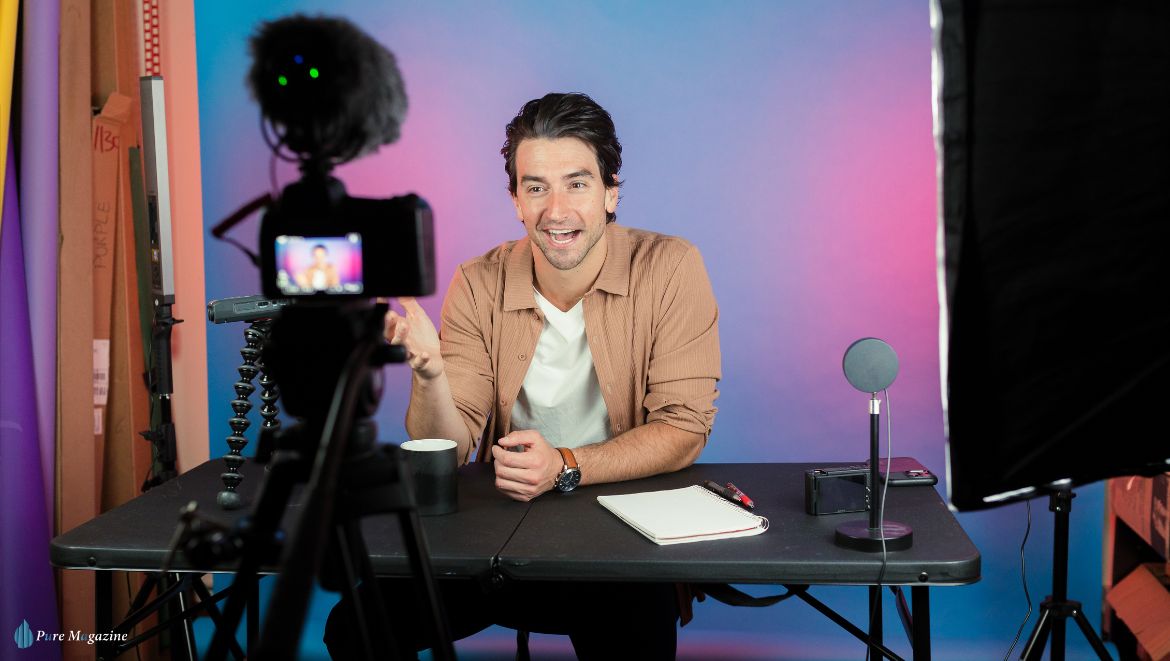
In the ever-evolving landscape of social media, the phenomenon known as “InfluencersGoneWild” has emerged as a controversial topic that highlights the precarious balance between personal branding, authenticity, and the pursuit of viral fame. This term encompasses a range of behaviors where social media influencers engage in increasingly extreme, controversial, or ill-advised actions in their quest for attention, engagement, and relevance in an oversaturated digital marketplace.
The Pressure Cooker of Digital Fame
The influencer economy has created an environment where content creators face relentless pressure to maintain audience engagement. With algorithms favoring sensational content and audiences developing shorter attention spans, many influencers find themselves trapped in a cycle of escalation. What begins as authentic content creation can quickly devolve into a desperate scramble for views, likes, and shares at any cost.
This pressure manifests in various ways. Some influencers stage elaborate pranks that cross ethical boundaries, while others fabricate dramatic personal crises for engagement. The “gone wild” aspect refers to moments when influencers abandon their carefully curated personas and engage in behavior that is shocking, inappropriate, or damaging to their brand and reputation.
Common Manifestations
The InfluencersGoneWild phenomenon takes many forms. Public meltdowns livestreamed to millions, controversial statements made without consideration of consequences, and staged scenarios that blur the line between reality and performance art have all become common occurrences. Some influencers engage in dangerous stunts or travel to sensitive locations for photo opportunities, showing a lack of cultural awareness or basic safety considerations.
Others have been caught in scandals involving dishonest sponsorship disclosures, promotion of questionable products, or involvement in cryptocurrency scams. The desperation to maintain relevance can lead to increasingly poor judgment, with influencers sometimes destroying relationships, careers, and their mental health in the process.
The Role of Platform Dynamics
Social media platforms themselves bear some responsibility for this phenomenon. Algorithms that prioritize engagement over quality content create perverse incentives. Content that generates strong emotional reactions—whether positive or negative—receives more visibility. This means that controversial, shocking, or provocative content often outperforms thoughtful, measured posts.
The metrics-driven nature of influencer culture also contributes to the problem. When success is measured purely by follower counts, engagement rates, and viral moments, the human element can get lost. Influencers become trapped in a cycle where they must constantly outdo their previous content, leading to an inevitable escalation that pushes boundaries.
Consequences and Fallout
The consequences of “going wild” can be severe and long-lasting. Many influencers who engage in extreme behavior experience significant backlash, losing sponsorships, followers, and credibility. Some face legal consequences for their actions, while others struggle with mental health issues stemming from public criticism and the pressure of maintaining their online presence.
The phenomenon also affects audiences, particularly younger followers who may view influencer behavior as aspirational or acceptable. When popular figures engage in problematic behavior without consequences, it can normalize such actions and create unrealistic expectations about success and fame.
The Business Impact
Brands have become increasingly cautious about their influencer partnerships in response to this trend. Companies now conduct more thorough vetting processes and include morality clauses in contracts. The risk of association with an influencer who “goes wild” has led to shorter-term partnerships and more conservative marketing strategies.
However, the paradox remains that controversial influencers often maintain large audiences even after scandals. Some even leverage controversy into renewed relevance, creating a complicated dynamic where bad behavior can sometimes be rewarded with attention and opportunities.
Moving Toward Sustainability
The influencer industry is beginning to recognize the need for more sustainable approaches to content creation. Some platforms are testing features that de-emphasize vanity metrics, while mental health resources specifically tailored to content creators are becoming more available. There’s growing conversation about the importance of authenticity, boundaries, and long-term career sustainability over viral moments.
Successful influencers increasingly emphasize the importance of maintaining personal boundaries, having offline support systems, and creating content that aligns with their genuine values rather than chasing trends. Some have openly discussed the toll that constant content creation takes on mental health, helping to destigmatize these conversations within the creator community.
Conclusion
The InfluencersGoneWild phenomenon serves as a cautionary tale about the dark side of social media fame. It highlights the need for systemic changes in how platforms operate, how brands engage with creators, and how audiences consume content. While the pursuit of online success will always involve some risk-taking and boundary-pushing, the industry must find ways to support creators in building sustainable careers that don’t require sacrificing their well-being, ethics, or dignity.
As social media continues to evolve, the hope is that lessons learned from these cautionary tales will lead to a healthier, more authentic creator ecosystem where success doesn’t require “going wild” but rather staying true to oneself while providing genuine value to audiences.
For more, visit Pure Magazine