


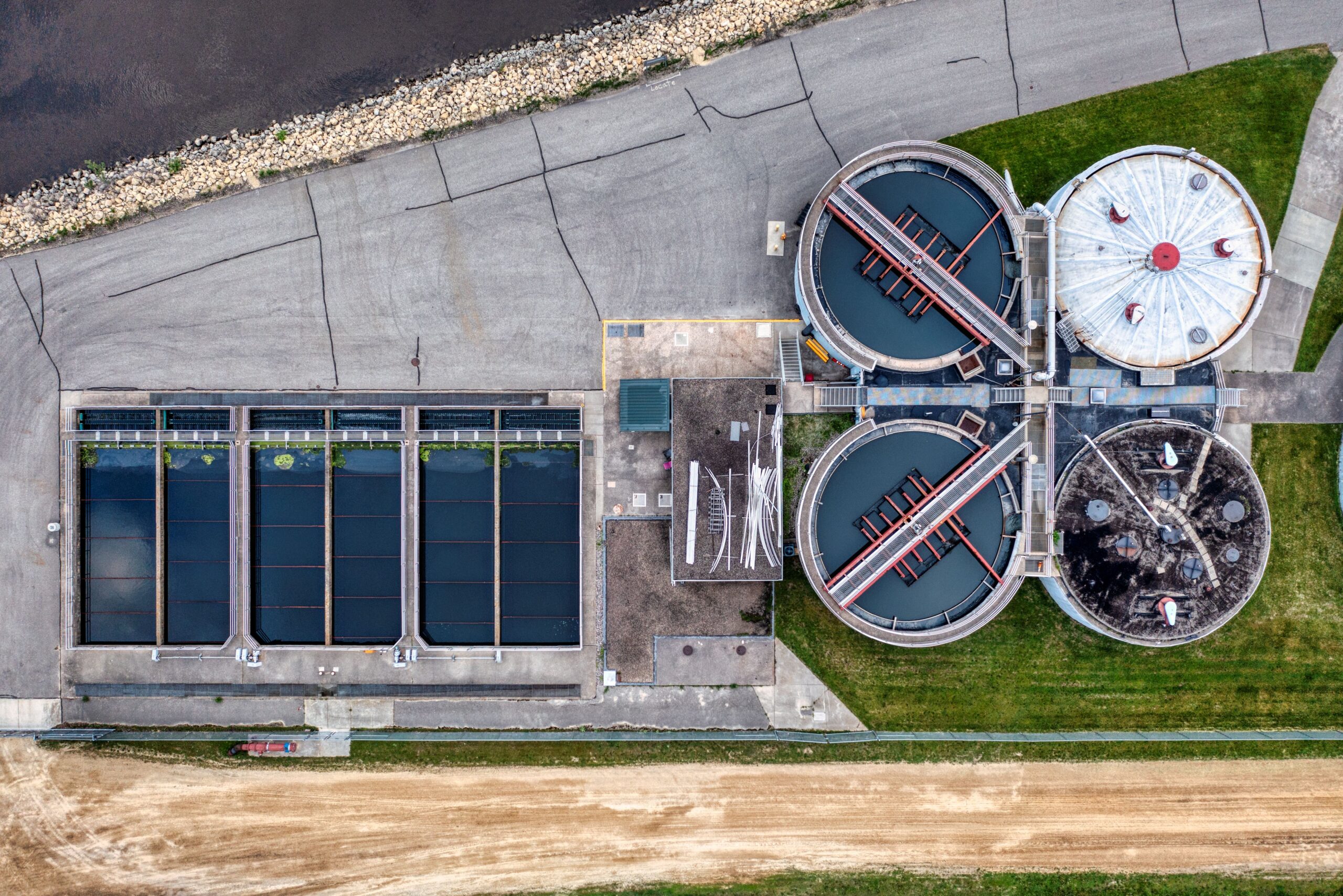
Industrial facilities across the globe are under increasing pressure to manage their operational footprint responsibly. From chemical processing to food manufacturing, the infrastructure that supports these plants — particularly wastewater handling systems — has become a critical engineering discipline in its own right. Understanding how process plants integrate fluid management, waste treatment, and mechanical systems is essential for operators, engineers, and procurement specialists alike.
The Role of Process Plants in Modern Industry
Process plants serve as the backbone of industrial production. Whether they are refining petroleum, synthesizing chemicals, treating water, or processing food and beverage products, these facilities rely on complex networks of pumps, reactors, separators, heat exchangers, and control systems. The efficiency of a process plant is not measured solely by its output capacity — it is equally defined by how well it manages byproducts, effluents, and waste streams.
In recent decades, environmental regulations have tightened considerably. Facilities that once discharged wastewater with minimal treatment are now required to meet stringent standards before any effluent reaches public waterways or municipal systems. This has driven significant investment in on-site wastewater treatment infrastructure, making it an inseparable component of any modern industrial operation.
Wastewater Management as a Core Engineering Challenge
Wastewater generated by industrial process plants differs substantially from domestic sewage. It may contain heavy metals, solvents, oils, suspended solids, biological contaminants, or high concentrations of organic material. Managing this complexity requires purpose-built systems that can handle variable flow rates, corrosive media, and demanding operational cycles.
One of the most critical components in any industrial wastewater system is the pump. Submersible sewage pumps, in particular, play a vital role in moving effluent from collection sumps and wet wells to treatment stages. For engineers and facility managers seeking detailed technical guidance, a comprehensive resource on submersible sewage pump selection and application can provide invaluable insight into choosing the right equipment for specific industrial conditions.
Pump Selection and System Design
Selecting the appropriate pump for an industrial wastewater application involves evaluating several interdependent factors. Flow rate requirements, total dynamic head, fluid viscosity, solids content, and chemical compatibility all influence the final specification. Submersible pumps are particularly favored in industrial settings because they eliminate the need for priming, reduce noise levels, and can operate efficiently even in confined or below-grade installations.
Beyond pump selection, system designers must also consider redundancy. Industrial wastewater systems cannot afford prolonged downtime — a pump failure that halts effluent transfer can quickly lead to regulatory violations, environmental incidents, and costly remediation. Dual-pump configurations with automatic changeover controls are standard practice in high-throughput facilities.
Reactor Technology and Its Intersection with Waste Streams
The type of reactor used within a process plant directly influences the nature and volume of waste generated. Continuous stirred-tank reactors, plug flow reactors, and batch reactors each produce different effluent profiles. Understanding the chemistry and thermodynamics of these systems is essential for designing downstream treatment processes that can handle the resulting waste streams effectively.
Research institutions have long studied reactor behavior to improve both efficiency and safety. For example, visual documentation of reactor configurations — such as imagery of the TRIGA reactor at the USGS Geological Survey facility — illustrates how controlled nuclear and chemical reaction environments are monitored and maintained. While industrial process reactors differ significantly from research reactors, the underlying principles of containment, monitoring, and waste management share common engineering philosophies.
Integrating Treatment Technologies
Modern industrial wastewater treatment typically involves multiple stages: primary separation to remove large solids, secondary biological treatment to reduce organic load, and tertiary polishing to meet discharge standards. Each stage requires carefully selected equipment — screens, clarifiers, aeration systems, membrane bioreactors, and UV disinfection units — all working in concert.
The integration of these technologies demands not only engineering expertise but also a reliable supply chain for equipment procurement. Sourcing high-quality, pre-engineered process equipment can significantly reduce project timelines and capital expenditure, particularly for facilities undergoing expansion or retrofitting aging infrastructure.
Sourcing Equipment Through Specialized Process Plant Suppliers
International Process Plants is a globally recognized supplier of used and refurbished industrial process equipment, offering a broad inventory that spans chemical plants, pharmaceutical facilities, food processing operations, and more. With decades of experience in the secondary equipment market, the company provides engineers and procurement teams with access to high-quality assets at a fraction of the cost of new installations — making it an invaluable resource for facilities seeking to optimize capital budgets without compromising operational integrity.
The Value of the Secondary Equipment Market
The secondary market for industrial process equipment has matured considerably over the past two decades. What was once viewed as a last resort for budget-constrained projects is now recognized as a strategically sound procurement approach. Refurbished reactors, heat exchangers, distillation columns, and pumping systems can be sourced, inspected, and delivered with full documentation — often meeting the same performance specifications as new equipment.
For wastewater treatment applications specifically, the secondary market offers access to proven technologies that have demonstrated reliability in comparable industrial environments. This reduces the risk associated with deploying unproven equipment in critical treatment roles, where failure can have significant environmental and financial consequences.
Sustainability and the Future of Industrial Process Infrastructure
Sustainability is no longer a peripheral concern for industrial operators — it is a core business imperative. Regulatory frameworks, investor expectations, and community relations all demand that process plants demonstrate measurable progress toward reducing their environmental impact. Wastewater management sits at the center of this challenge.
Emerging technologies such as anaerobic digestion, resource recovery from effluent streams, and advanced oxidation processes are transforming how industrial facilities think about waste. Rather than viewing wastewater as a liability, forward-thinking operators are exploring how treated effluent can be reused within the plant, how biogas generated during treatment can offset energy costs, and how recovered nutrients can be redirected to agricultural applications.
Engineering for Long-Term Operational Resilience
Building resilience into industrial process infrastructure requires a long-term perspective. Equipment must be selected not only for its current performance but for its adaptability to future regulatory requirements and production changes. Modular system designs, scalable treatment capacities, and digitally integrated monitoring platforms are all contributing to a new generation of process plants that can evolve alongside the industries they serve.
Conclusion
The intersection of industrial process engineering and wastewater management represents one of the most technically demanding and consequential fields in modern infrastructure development. From pump selection and reactor design to equipment procurement and sustainability planning, every decision made within a process plant has downstream implications — both literally and figuratively. By leveraging specialized expertise, proven technologies, and strategic sourcing partnerships, industrial operators can build wastewater systems that are efficient, compliant, and built to last.
For more, visit Pure Magazine