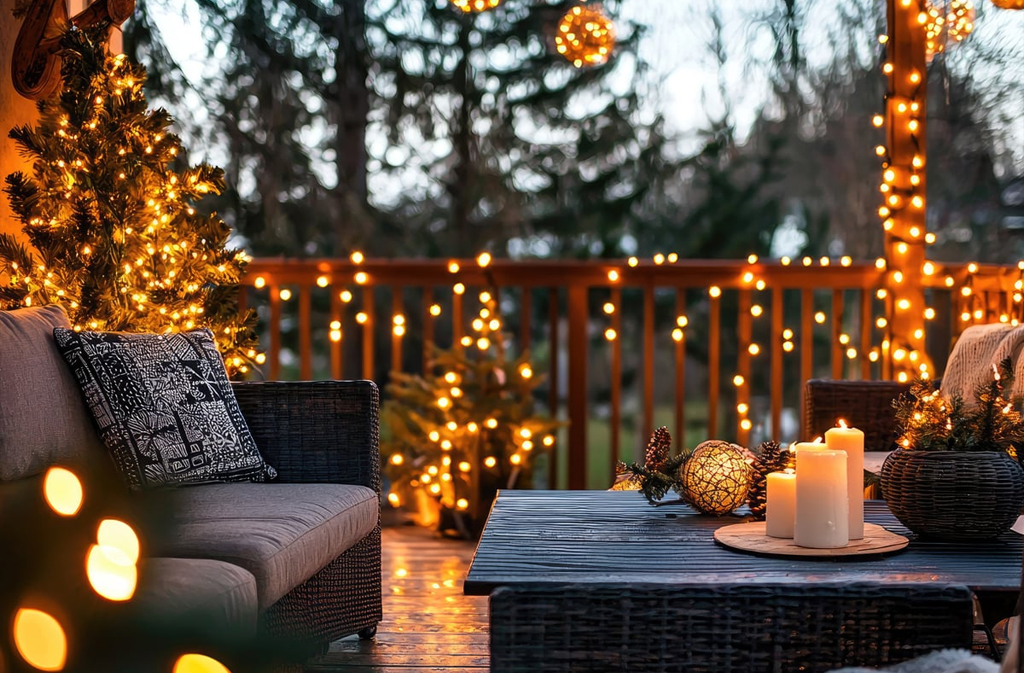
The world transforms in remarkable ways during festive seasons. Streets gleam with color, homes radiate warmth, and entire communities come alive with the soft glow of twinkling illumination. The simple act of lighting up a space can spark nostalgia, inspire creativity, and unite people in shared wonder. For centuries, light has symbolized hope, renewal, and celebration. In the modern era, that symbolism finds its most dazzling expression through decorative lighting that turns ordinary nights into extraordinary memories.
The tradition of using light to celebrate is far older than electricity itself. In many cultures, light has always been at the heart of seasonal festivities — from candles flickering in ancient rituals to lanterns brightening winter’s darkest days. Yet, it was only with the invention of electricity and the rise of modern technology that decorative lighting truly became a global phenomenon. Today, millions of households, businesses, and public spaces adorn their surroundings with intricate designs and glowing ornaments, creating an atmosphere of magic that transcends borders and beliefs.
The Origins of Festive Lighting
The earliest uses of light in celebration were deeply symbolic. Fire and flame represented life and safety during the long, cold months of winter. In ancient European traditions, candles were used to honor the winter solstice — a celebration of the sun’s return. Later, as Christianity spread through Europe, candles took on new meaning during Christmas, symbolizing divine light and hope.
The modern tradition began in 17th-century Germany, where families decorated evergreen trees with candles to celebrate Christmas. It was a dangerous practice — open flames and dry pine needles did not mix well — but the visual beauty outweighed the risk. This blend of nature and light would evolve into the modern decorated tree, a centerpiece of holiday tradition.
When electricity became widespread in the late 19th century, innovators saw the opportunity to create a safer and more spectacular version of this practice. Thomas Edison’s colleague, Edward H. Johnson, is often credited with inventing the first electric Christmas tree lights in 1882. His illuminated tree in New York City became a sensation, and within a few decades, electric lights began to replace candles as the safer, more dazzling choice for festive décor.
The Rise of Decorative Illumination
By the early 20th century, electric string lights became commercially available. Though initially expensive, they soon became a household staple as manufacturing costs dropped. Neighborhoods across the world began competing in friendly displays, turning entire communities into glowing wonderlands during the festive season.
Over time, technology revolutionized not only how lights were produced but also how they were used. Miniature bulbs replaced larger incandescent ones, allowing for more intricate and efficient designs. Later came LED technology — a breakthrough that transformed decorative lighting forever. LEDs consume far less power, last much longer, and offer a wider range of colors and effects than traditional bulbs.
Today, LED lights dominate the decorative lighting market. They can shimmer, fade, flash, or synchronize with music. They are available in every color imaginable and can be controlled remotely through mobile apps or voice assistants. What began as a simple act of placing a few glowing bulbs on a tree has evolved into an art form that combines creativity, technology, and emotion.
The Meaning Behind the Glow
Beyond aesthetics, festive lighting carries deep emotional resonance. For many, the annual ritual of decorating a home or community is an expression of joy and togetherness. The soft radiance of lights breaking through the darkness of winter symbolizes hope and renewal — a reminder that even the darkest nights can be brightened with warmth and love.
The act of decorating with light is also deeply communal. Entire neighborhoods often collaborate to create synchronized displays, drawing visitors from far and wide. These shared experiences foster unity and strengthen social bonds. Light, in this sense, becomes not just decoration but a language of connection.
Even on a personal level, decorating with light can be profoundly uplifting. Psychologists note that warm lighting can enhance mood, reduce stress, and evoke comforting memories. In a fast-paced world, taking time to adorn one’s surroundings with gentle radiance offers a rare opportunity for mindfulness and creativity.
Modern Trends in Decorative Lighting
Contemporary lighting trends blend tradition with technology. As sustainability becomes a global priority, energy-efficient solutions and eco-friendly materials are shaping the next generation of decorative lighting. LED technology remains the standard for both performance and environmental impact, but innovations are emerging across design and function.
1. Smart Lighting Systems
Smart lights can be programmed to change colors, brightness, and patterns automatically. They can sync with music, respond to voice commands, or follow preset schedules. With the rise of smart home technology, it’s easier than ever to manage complex lighting displays through mobile apps or digital assistants.
2. Sustainable Materials and Solar Power
Solar-powered lights and biodegradable materials are becoming increasingly popular. These reduce electricity use and plastic waste while maintaining the beauty of traditional lighting displays. Battery storage and improved solar panels make outdoor displays more reliable, even in areas with limited sunlight.
3. Artistic and Minimalist Designs
While grand displays remain popular, many modern decorators favor minimalist styles that highlight texture, shadow, and subtlety. Warm white lighting wrapped around natural materials such as wood, glass, or stone creates an elegant, timeless look.
4. Interactive Light Installations
Public spaces and commercial venues increasingly incorporate interactive lighting experiences. These installations respond to movement, sound, or environmental conditions, creating a sense of wonder and participation.
5. Projection and Laser Effects
Projection mapping and laser lighting systems are redefining how buildings and landscapes are illuminated. Instead of covering every surface with bulbs, decorators can project dynamic, colorful images onto walls or trees, achieving spectacular effects with minimal energy use.
The Emotional and Social Impact of Light
Festive lighting does more than decorate—it transforms mood and atmosphere. Urban planners and psychologists have long noted the positive effects of lighting on human emotion. Light influences how we perceive space, how safe we feel, and how we connect to others.
During the festive season, illuminated environments tend to evoke feelings of nostalgia, belonging, and joy. They remind people of shared traditions and childhood memories. Studies show that viewing colorful lights can even increase serotonin levels, contributing to improved mood and reduced anxiety.
In public spaces, large-scale lighting displays often attract tourism and stimulate local economies. Families gather to view dazzling installations, businesses extend their hours to accommodate visitors, and communities take pride in creating shared spectacles that bring people together.
Even in homes, decorative lighting can create a sense of sanctuary. A softly lit living room, adorned with glowing ornaments, can make long winter evenings feel warm and comforting. In this way, decorative lighting fulfills a psychological as well as aesthetic function — it brightens not just the environment but the human spirit.
Sustainability and the Future of Illumination
As beautiful as they are, lighting displays must balance creativity with environmental responsibility. The future of decorative lighting lies in innovation that enhances efficiency while minimizing waste. Manufacturers are focusing on recyclable materials, energy-saving bulbs, and renewable power sources.
LEDs already represent a major step forward, consuming up to 90% less energy than incandescent lights. Solar-powered systems take this a step further, offering self-sustaining solutions for outdoor displays. Additionally, new developments in biodegradable wiring and modular designs allow for easier recycling and repair, reducing landfill waste.
Consumers, too, are becoming more conscious of sustainability. Instead of discarding old lights each year, many now invest in higher-quality systems that last longer and use less energy. Others choose to support companies that prioritize ethical production and eco-friendly packaging.
The result is a new era of decorative lighting — one that retains the joy and brilliance of tradition while embracing the values of conservation and innovation.
The Universal Language of Light
No matter where or how it is celebrated, the season of light transcends culture and geography. From glowing paper lanterns in Asia to candlelit windows in Europe, and from tree-lined streets in America to illuminated temples across the world, light is a universal expression of hope.
Even in times of uncertainty, light serves as a reminder of endurance and renewal. It brings comfort during long nights and symbolizes humanity’s collective desire for warmth, joy, and connection. The artistry of decorative lighting is not merely about decoration — it’s about storytelling. Each display tells a story of heritage, creativity, and togetherness.
Conclusion
As innovation continues to advance, the artistry of holiday lights will shine brighter than ever — not just through brilliance and color, but through their ability to touch hearts, bring communities together, and illuminate the human spirit.
The practice of illuminating our surroundings during festive seasons has grown from a simple ritual into a global celebration of art, emotion, and technology. The enduring allure of decorative illumination lies not only in its visual splendor but in its deeper meaning — it is a beacon of warmth, joy, and unity.
In an increasingly digital and fast-moving world, the soft glow of light remains one of the few universal languages that everyone understands. It bridges generations, cultures, and beliefs, reminding us that even a single spark can dispel darkness and inspire connection.
Visit our website: Pure Magazine