


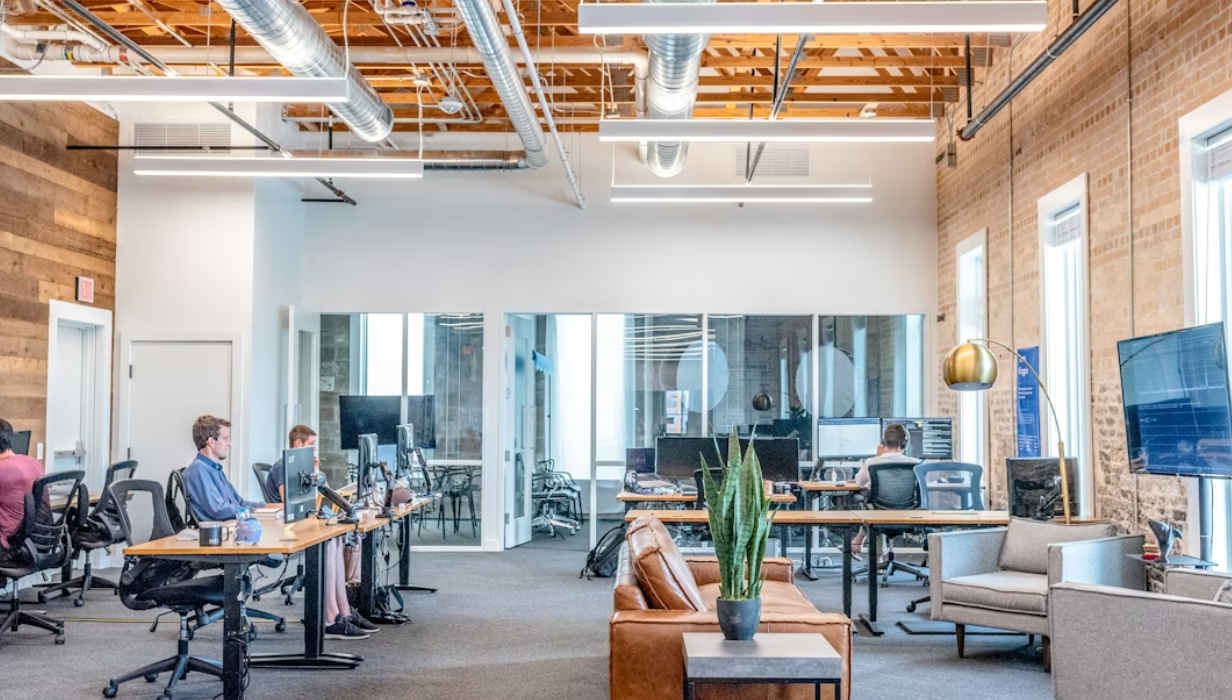
Updating a workspace requires a fresh perspective on how people interact with their surroundings. Modernizing a building involves more than a new coat of paint or furniture. It requires a thoughtful look at materials and layouts that reflect a modern brand.
By focusing on style and function, owners create environments that feel current. These changes help buildings remain relevant and inviting for years. The goal is to create a space that feels personal and professional.
Embracing Character and Local Identity
Recent years have shown a shift in how designers approach business interiors. A report from a building industry site notes that designs in 2026 are shifting away from plain minimalism and toward styles that exhibit more personality and local influence.
This means moving away from cookie-cutter looks. Builders look for ways to make a room feel unique to its city or neighborhood. Local materials and art help tell a story that visitors appreciate.
Creating a sense of place makes the environment feel more authentic. People feel a stronger connection to a brand when the physical space reflects its surroundings.
Durable Surfaces for Heavy Use
Every high-traffic area needs materials that stand up to daily wear. Modern designers often select commercial floor tiles to provide both durability and a polished look for long-term use. These materials resist stains and heavy impact better than many other options.
Using tough materials helps keep maintenance costs low. It keeps the entryway looking sharp for visitors and clients. Floors take the most abuse in any professional setting.
High-quality flooring stays level and safe for staff walking through the building. Choosing the right surface means fewer repairs and a cleaner look for years.
Color Palettes for a Professional Look
Choosing the right colors sets the mood for the entire floor. A blog about interior trends suggests that 2025 will see a rise in muted and natural tones like warm whites, beiges, and soft grays.
These shades create a calm atmosphere that feels both warm and clean. They avoid the harshness of stark office lighting. Natural tones help a room feel larger and more open than dark colors.
Soft palettes make it easier for employees to focus on their tasks. These colors work well with different types of wood and metal accents.
Sustainable Retrofits and Efficiency
Sustainability is a major part of any modern renovation project today. Adding energy-saving parts to an old building can make a huge difference in how much power it uses.
An article on construction trends explains that retrofitting older structures with energy-efficient components is a smart way to save money and time compared to building something new. This approach preserves the existing structure while making it much greener.
Many owners find that upgrading insulation and windows lowers monthly bills. It shows a commitment to the environment that modern clients value. Green buildings often command higher lease rates in competitive urban markets.
Flexible Areas for Changing Needs
Businesses change fast, so their buildings should be able to change too. Open areas that can be partitioned off for private meetings are becoming standard.
This flexibility allows a company to grow without needing to move to a new location. Movable walls and modular furniture are simple ways to achieve this.
Teams need different setups for group brainstorming or quiet individual work. Providing varied zones within one floor plan keeps the office functional. It prevents the space from becoming stale as the workforce grows.
Practical Design Elements
Modernizing a space involves many small details that work together. Refreshing the hardware and lighting can change the vibe of a lobby. These updates are often cost-effective and easy to implement.
- Swapping out old light fixtures for LED versions.
- Adding plants to bring a bit of nature inside.
- Replacing old hardware on doors and cabinets.
- Painting accent walls in soft, neutral colors.
- Using acoustic panels to reduce noise in open areas.
- Updating signage to match a modern font and style.
- Installing sensor-based faucets to reduce water waste.
Using modern tech makes the building easier to manage. Small touches show that the owner cares about the details. They contribute to a cohesive look that feels deliberate.
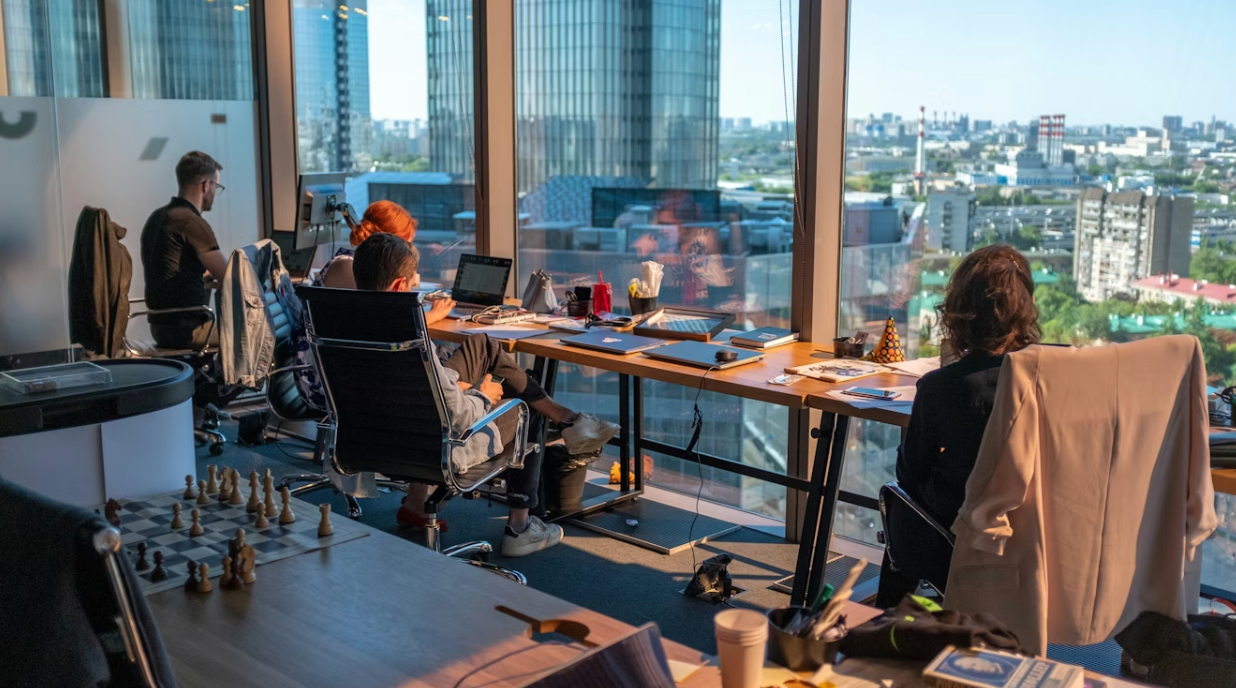

Modernizing a commercial property is a journey that pays off in both value and comfort. Taking the time to select the right materials and colors makes a big difference. It turns a boring office or shop into a place where people want to spend time.
Keeping the focus on local character and sustainability ensures the design remains timeless. These choices help a business stay ahead of the curve. A well-planned space reflects the quality of the work happening inside its walls. It sets a professional tone that inspires confidence in everyone who walks through the door.
For more, visit Pure Magazine