


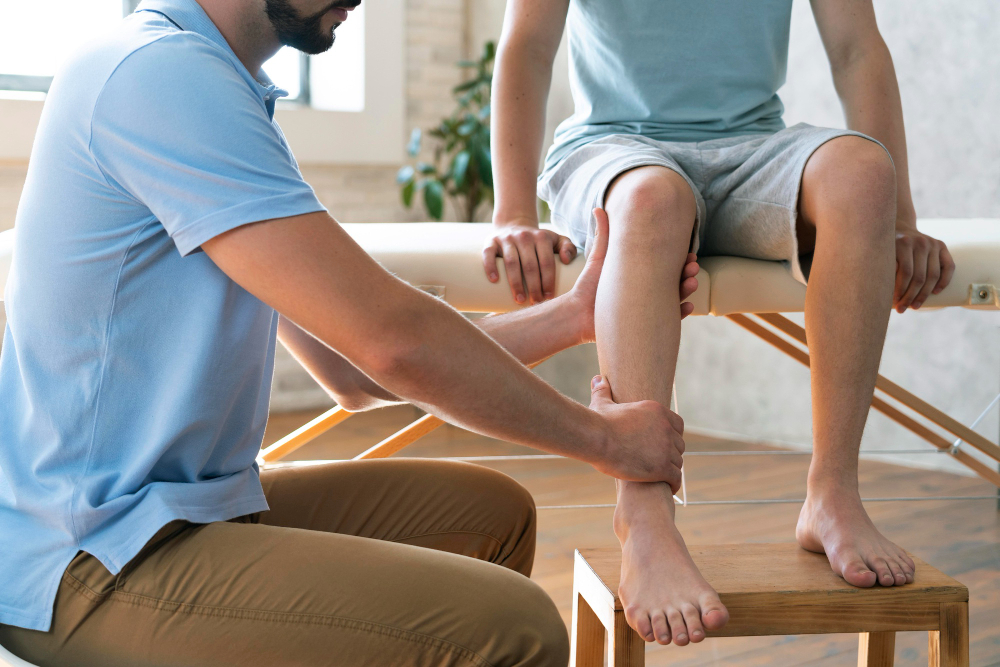
It starts with a sharp twinge, maybe after a long run, a sudden turn during a game, or even just climbing a flight of stairs. The knee, a joint we often take for granted, suddenly shows how much we depend on it. Aching and stiffness can make daily movements difficult, especially when bending, standing, or climbing feels uncomfortable.
Recovering from a knee injury is not always straightforward. Whether it comes from sports, overuse, or a sudden accident, getting back to full function takes time, consistency, and care. Many people with knee problems seek professional help to avoid long term complications and regain mobility safely. Among the available options, some patients explore the treatment for cartilage injury that specialists offer to restore comfort and movement.
The good news is that healing a knee is possible with the right approach. Knowing what causes the pain and how to manage it can help anyone move toward recovery with confidence.
Understanding the Root of Knee Injuries
Knee problems usually come from either sudden injuries or repeated strain. Both can harm ligaments, tendons, and cartilage, causing swelling and making the joint less stable over time. Knowing which type applies helps guide proper treatment.
The Impact of Sudden Trauma
A twist, fall, or direct blow can stretch or tear the structures that keep the knee stable. Athletes often get these injuries in sports with quick direction changes or hard landings. The pain may seem minor at first, but continuing activity without rest can make it worse.
After a serious knee injury, early diagnosis is crucial. Imaging tests can show the full extent of damage and prevent further problems. Rest, ice, compression, and elevation can reduce initial swelling, while a guided rehabilitation plan gradually rebuilds strength and stability.
Effects of Repetitive Overuse
Not every knee problem comes from a single injury. Sometimes, pain builds slowly from many small strains. Repetitive activities like running, climbing, or standing for long periods can wear down the tissues that support the knee over time. The knee may feel sore or stiff, especially after extended activity.
Listening to early warning signs matters. Persistent discomfort or dull aches should never be ignored. Rest and gentle stretching can prevent more serious damage, letting the joint recover before lasting harm occurs. Over time, this care helps protect the knee’s natural cushioning and flexibility.
The Role of Muscle Imbalance
Weak or overworked muscles around the knee can throw off alignment and movement. When the quadriceps, hamstrings, and hip muscles are out of balance, the knee absorbs more pressure than it should. This imbalance can reduce stability and eventually cause pain or limit movement.
Targeted strengthening with professional guidance can restore balance and coordination. Controlled exercises focusing on proper alignment improve how the knee handles everyday movements and reduce the risk of future injury.
Steps Toward Recovery and Restoration
Recovering knee function takes more than waiting for pain to go away. It requires a planned approach that gradually builds strength, flexibility, and confidence. With proper evaluation and consistent effort, most people can return to activity without discomfort.
Building Strength and Stability
Rehabilitation often begins with reducing swelling and restoring movement. Once pain improves, focus shifts to strengthening muscles around the knee, especially the quadriceps and hamstrings. Light resistance exercises help regain stability and endurance.
Many physiotherapists recommend low impact activities like swimming or cycling to reintroduce movement without stressing the knee. These exercises help circulate joint fluid, improving lubrication and reducing stiffness.
Restoring Mobility and Confidence
Physical recovery is only one part of getting better. Overcoming the mental hesitation after an injury is just as important. It’s normal to move cautiously at first, worried about hurting the knee again, but confidence grows with steady progress. Guided physical therapy teaches safe movement and helps rebuild trust in the joint.
Each small improvement matters. Bending the knee without pain, walking comfortably, and slowly returning to sports all count as milestones. Consistency in rehab routines usually matters more than quick fixes for long lasting success.
Supporting Long Term Knee Health
Once function improves, keeping it strong becomes the next goal. Balanced exercise, mindful movement, and good body mechanics help prevent another setback. Many people find they move even better than before, because rehab often strengthens neglected muscles and areas.
For chronic cases or serious cartilage damage, medical professionals may suggest specific treatments to support healing and protect the joint. Individualized care is essential because no two knee problems are exactly the same. Working with specialists ensures every step from evaluation to recovery is safe and effective.
The path to full knee function does not have to feel overwhelming. With patience, guided support, and consistent care, it’s possible to regain strength, restore comfort, and confidently return to activities you enjoy. Recovery is gradual, but each step forward is real progress toward lasting wellness.
For more, visit Pure Magazine
