


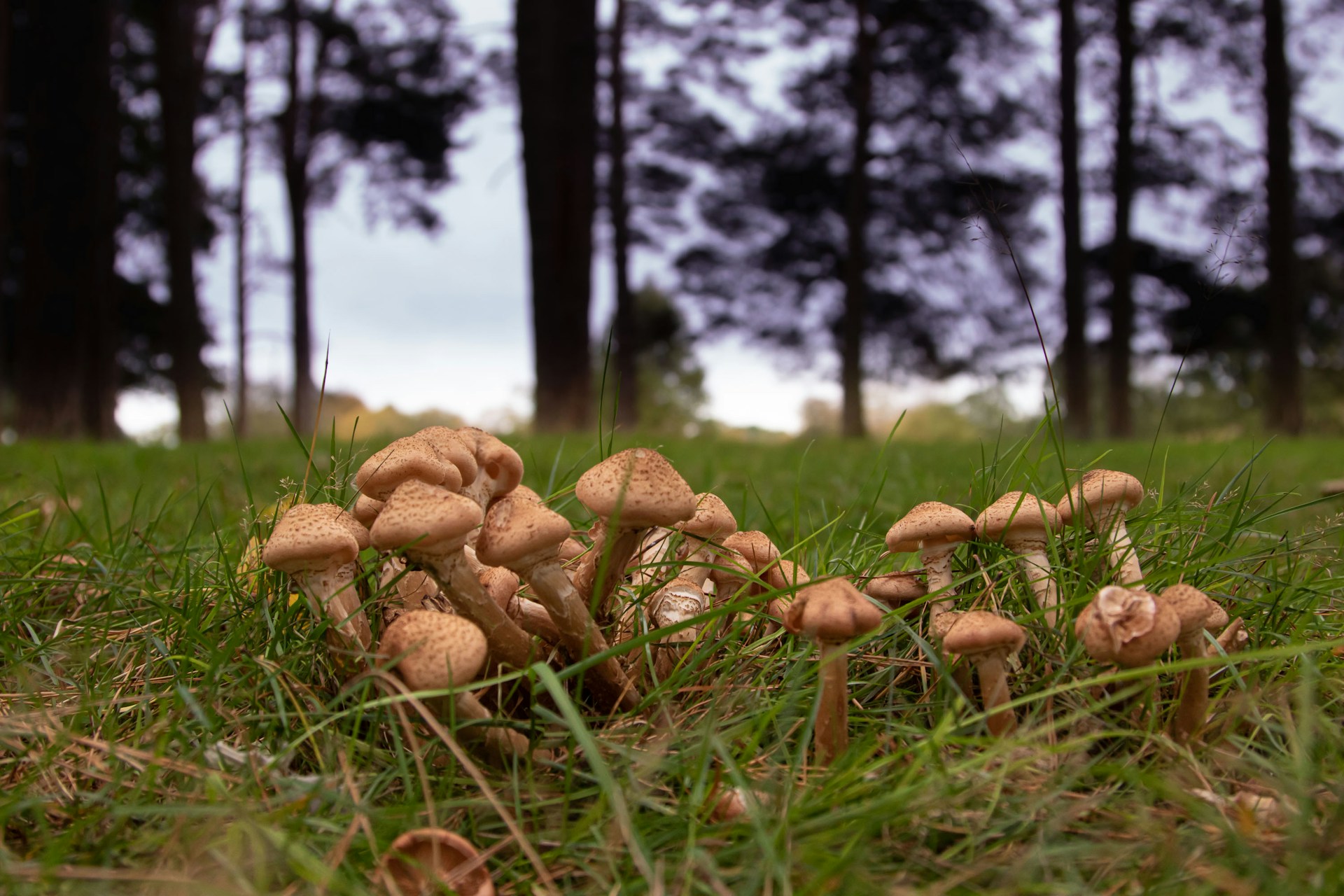
Mushroom growing has changed from a rural activity to a popular home hobby in the UK and Europe. With new compact systems and better growing technology, you can now grow gourmet mushrooms in small flats, classrooms, and even use smart tools to help.
The UK mushroom market continues to expand, fuelled by sustainability concerns, plant-based diets, educational home projects, and the growing appetite for locally sourced produce. Meanwhile, the European home-growing community has taken full advantage of e-commerce logistics, improved climate control tools like grow room controllers, and digital learning platforms to make cultivation easier, cleaner, and more profitable than ever before.
Whether you’re a first-time grower in a flat, a parent looking for fun indoor activities, or an aspiring entrepreneur planning a micro-farm business, mushroom kits and modern technology have created the perfect entry point.
Growing Mushrooms in Small UK Spaces
Indoor cultivation is now simpler than many people realise. Unlike fruit or veg, mushrooms don’t require sunlight. What they do need is stable humidity, airflow, and moderate temperatures — conditions most UK homes can provide naturally.
Historically, urban growers struggled with contamination, unpredictable moisture levels, and temperature fluctuations, especially in older British buildings. But pre-inoculated grow systems solve most of these issues by delivering a sterilised substrate already colonised with mycelium, meaning the environment doesn’t need to be lab-grade, just consistent.
One of the most popular species for indoor growers is the Pleurotus ostreatus, also known as oyster mushroom. It thrives at 10–24°C — perfect for UK conditions, especially between autumn and spring. Another apartment-friendly favourite gaining traction is the Lentinula edodes, which grows in compact fruiting blocks and delivers multiple harvest flushes.
Because they grow vertically, kits can be placed on countertops, shelving units, or hanging brackets. Even a 30×30 cm footprint is enough to yield impressively.
Optimising the Environment Without a Smart Home
Not everyone owns connected gadget systems, and that’s fine. Most kits include humidity tents or misting instructions. However, if you’re manually controlling your environment, these factors matter most:
1. Humidity
Mushrooms are 80–90% water. If humidity drops, growth stalls. Many UK growers mist twice daily using spray bottles — a low-tech method that works surprisingly well.
2. Air Exchange
Fungi exhale CO₂. Stagnant air causes weak stems and small caps. Opening a window briefly each day or keeping kits in naturally ventilated spaces prevents this.
3. Temperature
Most UK indoor environments, especially well-insulated ones, sit comfortably within optimal ranges. Colonised grow blocks are resilient, so short temperature dips are rarely fatal.
The Rise of Mushrooms as Family & STEM Projects
Parents and educators have long looked for meaningful indoor activities, especially ones that combine creativity, science, sustainability and safe hands-on fun. Mushroom cultivation ticks every box — low mess, fast results, educational, and edible.
Growing fungi introduces children to biology, lifecycles, sustainability, nutrition and even microbiology principles without exposing them to laboratory hazards. Many UK families share their harvest results in community groups on platforms like Facebook and DIY tutorials on YouTube, helping projects spread rapidly and gain visibility.
Mushroom growing kits UK are now being used to support STEM learning — demonstrating:
- Cellular growth and organism networks
- Handling sterile environments and contamination awareness
- Understanding ecosystems and saprophytic organisms
- Food sustainability, carbon cycles and recycling organic waste
A classroom block can double in size within days, giving children instant feedback — something traditional gardening rarely provides at that speed.
Safe Edible Harvests & Building Confidence
Species like Pleurotus eryngii are ideal for children because they’re robust, non-toxic, and look impressively “mushroom-like” — thick stems and large caps. Confidence-building visuals help kids connect to the project emotionally and intellectually.
Families often harvest their mushrooms, weigh them, and cook meals together — turning biology into dinner and proof of success into pride.
Entrepreneurs & the UK/EU Mushroom Side-Hustle Boom
Home cultivation has quietly become a profitable pathway for small business owners, farm-to-table enthusiasts, and sustainability-driven micro-brands. Because gourmet mushrooms grow quickly, repeat harvests are possible without months of waiting. This makes stock rotation, customer delivery promises, and cash flow management far easier.
Many side-hustle growers start by selling harvests locally through platforms like:
- Shopify storefronts
- Marketplace groups inside Facebook
- Handmade product listings on Etsy
Urban growers in cities such as London and Manchester report strong demand from vegan cafés, local health shops, trendy grocers, and restaurants that value short supply chains.
Shipping logistics have also expanded. UK kit suppliers and growers now send products to customers across mainland Europe, particularly since demand surged in countries such as France and Germany. These growers are using their premade kits and turning a hobby into a profitable side hustle.
Adding Tech to Mushroom Growing: The Smart Fungi Revolution
The intersection between cultivation and consumer tech has created a new wave of interest: intelligent growing systems, data tracking, and automation tools.
Connected humidity and climate control
Devices such as the Inkbird IHC‑200 allow growers to automate mist cycles and maintain stable humidity via external humidifiers. Temperature monitoring systems like the Inkbird ITC‑308 provide precision environmental regulation without running heating constantly — a real advantage during UK winters.
Indoor smart sensors
Growers increasingly adopt climate sensors like the Govee Hygrometer Thermometer H5075, enabling live humidity/temp readings on mobile devices. Though not always IoT-connected, Bluetooth sensors are cheap, clean and reliable.
AI and automation
Some high-volume hobbyists experiment with AI driven advice by logging data into models using tools built by hobbyist coders with APIs from systems such as OpenAI. This allows them to receive personalised environmental optimisation tips, detect anomalies in growth speed, and even isolate patterns that indicate contamination.
Computer vision for contamination detection
Although still experimental in the consumer space, mycology enthusiasts are exploring contamination-recognising systems using machine learning frameworks like TensorFlow to train image recognition models capable of spotting early mould outbreaks before they spread. These models can analyse uploaded grow photos via custom apps.
Automated farm dashboards
Side-hustle growers selling produce often monitor growth batches like inventory systems using spreadsheets (or build mini dashboards). Data friendly platforms such as Google Sheets or simple analytics from their store software help track:
- Inoculation dates
- First pinning appearance
- Harvest flush cycles
- Yield size and projected delivery windows
These systems treat grow batches like hardware monitoring readouts — turning organic cultivation into quasi tech metrics.
Modern mushroom cultivation has become faster, smarter, and more accessible with compact systems and UK & EU shipping options.
For more, visit Pure Magazine