


Introduction
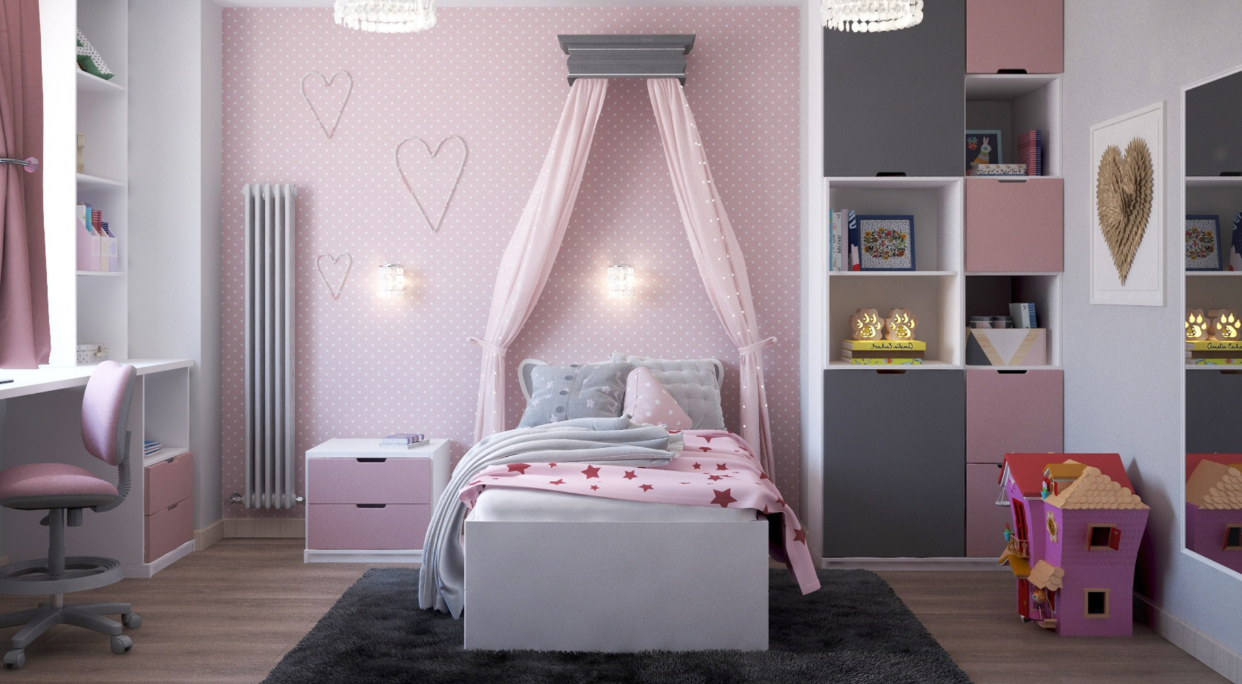
Here’s something most people get wrong: they pick bedroom furniture based on what looks good online, then wonder why their space feels off. Your bedroom needs to be a sanctuary that actually fits your life—not an obstacle course you navigate sideways or a cavernous space that echoes when you walk.
Finding bedroom furniture sets that work with your specific square footage isn’t rocket science, but it does require some planning. Too much stuff? You’re living in clutter. Too little? The room feels unfinished and unwelcoming. From cramped city apartments to expansive primary suites, learning how to choose a bedroom set properly transforms how you experience your most personal space. Let’s break down what actually works for different room sizes, backed by real measurements and practical advice you can use today.
Bedroom Sets for Small Rooms
Limited square footage requires strategy, not surrender. The best bedroom sets for small rooms turn spatial constraints into smart design opportunities while keeping your space functional and breathable.
Best Furniture Choices for Tight Spaces
Compact bedrooms respond beautifully to furniture designed with intention rather than excess. You’ll want pieces that serve multiple purposes without announcing their presence too loudly. Many homeowners discover remarkable solutions through elegant modern bedroom sets from specialists like, where streamlined profiles and built-in storage address space limitations directly. Contemporary designs typically emphasize clean geometry and lighter wood tones that prevent visual heaviness.
Platform beds beat traditional frames every time for small spaces—they sit closer to the ground and eliminate bulky box springs entirely. Hunt for beds with drawer storage built into the base. That’s free real estate you’re not using otherwise. Stick with twin or full mattresses in rooms under 150 square feet unless you enjoy feeling trapped.
Space-Saving Features That Actually Work
Nightstands mounted to the wall clear precious floor space and simplify cleaning routines. Floating shelves can substitute for dressers when you’re really squeezed for room. Not everyone loves the aesthetic, but functionality wins in tight quarters.
Look for dressers under 18 inches deep—they’ll sit flush against walls without creating awkward protrusions into walking paths. Strategic mirror placement opposite windows bounces light around and creates perceived depth. Corner furniture captures those dead zones nobody thinks about until they’re already furnished and wondering where things could’ve gone.
Understanding Your Bedroom Size
You can’t make smart furniture decisions until you know what you’re dealing with. And no, pacing off approximate dimensions doesn’t count as measuring.
Taking accurate measurements saves you from returns, regret, and that sinking feeling when your new dresser won’t fit through the doorway.
Standard Room Measurements
Reality check: American bedrooms typically aren’t that generous. The average bedroom clocks in around 132 square feet, think 11 feet by 12 feet. That’s less space than you’d imagine once you start adding actual furniture pieces.
Small bedrooms run anywhere from 100-150 square feet. Medium-sized rooms give you 200-300 square feet to work with. Large bedrooms? Those start at 300 square feet and can push past 400 in high-end properties.
Why Size Matters for Furniture Selection
Guessing doesn’t cut it here. A king bed demands 24-30 inches of clearance on three sides just for comfortable movement. Try cramming that into a 10×10 space and you’ll be doing gymnastics to reach your alarm clock every morning.
Proportion affects everything. Stuff a small room with oversized pieces and you’ll feel like the walls are closing in. Drop miniature furniture into a big bedroom and everything looks lost and disconnected. The right scale creates an environment you’ll actually enjoy using instead of just tolerating.
Bedroom Sets for Medium and Large Rooms
Generous square footage brings different complications. You’ve got breathing room, sure, but filling it thoughtfully prevents that awkward “furniture adrift in an empty room” situation nobody wants.
Medium Room Options
Spaces between 200-300 square feet comfortably handle queen-size bedroom sets with full accessory pieces. You can arrange a queen bed, paired nightstands, a dresser, and maybe a reading chair without spatial compromise. This is the sweet spot for most furniture arrangements.
Modern planning techniques deliver measurable advantages for these configurations. Research shows that contemporary design methods reduce planning cycles by 40%, boost space utilization by 25%, and improve proportional coordination by 20% compared to older approaches. Translation? You’ll configure your layout faster and use every inch more intelligently.
Five-piece collections hit the target perfectly here—bed, two nightstands, dresser, mirror. Layout flexibility depends on where your windows and doors land, but you’ve got options to experiment with different arrangements.
Large Room Configurations
Bedroom sets for large rooms require deliberate scaling to prevent that “lonely furniture cluster” effect where everything huddles in one corner like it’s afraid of open space. King-size beds become realistic possibilities here, and you can incorporate statement elements like dramatic headboards or upholstered benches at the bed’s foot.
Rooms exceeding 300 square feet benefit from intentional zoning.
Maybe you create a dedicated sleeping area, establish a sitting zone with comfortable chairs, and carve out a corner for a vanity setup or workspace. Area rugs define these zones visually and anchor furniture groupings.
Seven-piece or nine-piece bedroom furniture sets fill larger footprints appropriately. Consider adding an armoire, additional chest storage, and seating beyond basic components. Just maintain proportional relationships—pairing delicate nightstands with a California king looks comically mismatched.
How to Choose a Bedroom Set
Size considerations handled, let’s address the actual selection mechanics. Multiple factors beyond raw dimensions determine whether you’ll still appreciate your purchase years later.
Measuring Your Space
Get yourself a tape measure and document everything accurately. Mark window positions, door swing clearances, closet locations, and any architectural peculiarities like angled ceilings or heating elements. That 24-30 inch clearance recommendation around your bed isn’t optional—future you will appreciate the breathing room.
Painter’s tape on floors works remarkably well for visualizing furniture footprints before committing money. Some folks mock up cardboard templates to test different arrangements. It feels absurd until it prevents a costly mistake.
Material and Style Considerations
Solid wood offers superior longevity but commands higher prices and considerable weight. Engineered wood provides reasonable durability at more accessible price points. Upholstered headboards introduce softness but demand more maintenance, particularly with pets or children in the household.
Your bedroom sets should complement your home’s existing character. Contemporary styles emphasize geometric simplicity and minimal decoration. Traditional collections showcase detailed craftsmanship and ornate elements. Transitional designs bridge both worlds for adaptable styling.
Consider longevity beyond initial appeal. Trendy finishes risk looking dated within a few years, while classic wood finishes adapt gracefully to evolving décor preferences. Budget matters obviously, but quality pieces deliver decades of service with reasonable care.
Common Questions About Bedroom Furniture
What’s the minimum size room for a queen bedroom set?
Technically, a 10×10 room accommodates a queen bed physically. Practically? You’ll feel suffocated. Target at least 10×12 feet to fit nightstands and a dresser with adequate circulation space around everything.
Can you mix different furniture instead of buying a complete set?
Absolutely—mixing pieces injects personality and typically looks less staged than catalog-perfect matching sets. Just maintain connecting elements through consistent wood tones, finish choices, or stylistic threads so everything feels intentional rather than random.
How much should quality bedroom furniture cost?
Reasonable mid-range collections run $1,000-$3,000. Budget-friendly options stay under $1,000, while premium sets reach $3,000-$7,000. Luxury pieces climb beyond $7,000 but often represent investment-grade craftsmanship worth passing down.
Final Thoughts on Bedroom Furniture Selection
Finding the right bedroom sets ultimately requires honest evaluation of your available space and how you actually live. Measure carefully—accuracy prevents frustration, returns, and that unique disappointment of almost-right furniture. Smaller rooms demand purposeful, space-conscious choices, while expansive spaces need properly scaled pieces that prevent awkward spatial gaps.
Don’t rush this decision or compromise on furniture that almost works. Your bedroom influences your daily experience more than virtually any other room in your home, making it worth the effort to get right. Begin with precise measurements, define your essential features, and choose pieces that’ll serve you reliably for the long haul.
For more, visit Pure Magazine