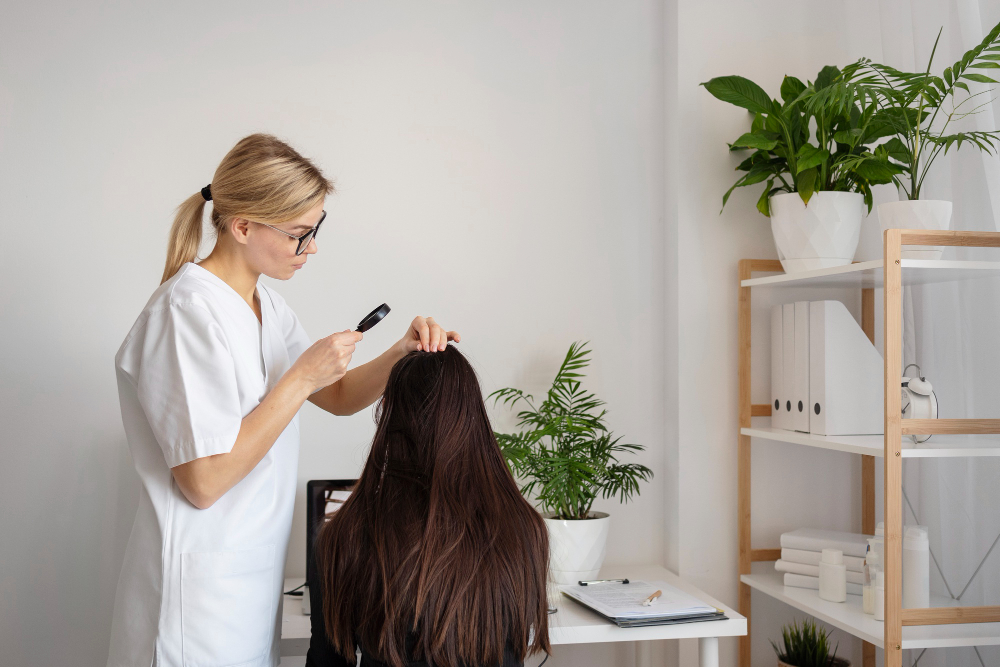
Does your scalp feel itchy or dry during hair treatments? A healthy scalp is key to strong and shiny hair. This post will show simple ways to care for your scalp throughout any treatment schedule.
Keep reading for easy tips that really help!
Understanding the Importance of Scalp Care
Healthy scalp care helps support strong hair growth. The scalp needs moisture and gentle cleansing to stay healthy. Dryness or build-up can lead to hair loss or itchiness. Using the right products, like a gentle shampoo and hydrating serums, keeps oil balance in check.
Regular routine maintenance also reduces inflammation and supports better results from any treatment regimen, including medicated options such as Betacap scalp application when prescribed.
Proper scalp health creates the best foundation for treatments such as moisturizing masks or leave-in products. Clean and nourished skin absorbs these treatments better, helping your hair look fuller and feel stronger.
Learn how to prepare your scalp before you start your next treatment schedule.
Preparing Your Scalp for a Treatment Schedule
Start your treatment with a healthy scalp. Taking care now helps your scalp stay strong through each step, especially if you’re also balancing the demands of an outpatient program that may involve regular check-ins or structured therapies. Clean and nourished skin responds better to any hair or scalp treatment, making this preparation stage essential.
Cleanse Your Scalp Gently
Use a gentle shampoo that keeps your scalp healthy. Choose products free from sulfates and harsh chemicals to prevent dryness or irritation. Wash with lukewarm water instead of hot water to protect natural oils.
Massage the scalp softly before rinsing to remove dirt and buildup without causing inflammation.
Gentle cleansing supports both hair growth and comfort during treatment times.
Avoid Harsh Chemicals
Many shampoos and hair products contain strong chemicals like sulfates, parabens, and alcohol. These can strip your scalp of its natural oils. Dryness and irritation may follow if you use these ingredients often.
Choose gentle shampoo or chemical-free products to protect your scalp health during any treatment regimen. Read product labels before buying them.
Chemical-free hair care helps keep the scalp’s moisture balance right. It reduces the risk of flare-ups for those with sensitive skin or ongoing scalp conditions. Cleanse gently so your skin stays calm and ready for moisturizing treatments next.
Daily Scalp Care Tips During Treatments
Keep your scalp healthy with simple daily habits. Small changes can help improve comfort and support hair growth during your treatment schedule.
Use Moisturizing Products
Moisturizing products help the scalp stay soft and healthy during a treatment schedule. Use gentle, hydrating serums or leave-in conditioners to prevent dryness and flaking. Products with natural oils like coconut or jojoba support scalp hydration without clogging pores.
Using chemical-free moisturizers can ease discomfort and reduce inflammation.
Apply these products after cleansing your scalp for best results. Choose items labeled for sensitive skin if you notice irritation. Hydrated scalps often feel less itchy and shed fewer flakes, making daily care easier.
A good massage can boost product absorption; find out how in the next section on scalp massages.
Massage Your Scalp Regularly
After applying moisturizing products, take a few minutes to massage your scalp. Use gentle fingertips in small circles across your whole scalp. This action helps boost blood flow and supports hair health.
A regular scalp massage can also spread hydration more evenly and help oils absorb better.
Most experts recommend massaging for about five minutes daily as part of your routine maintenance. Scalp massages may reduce tension and lower inflammation too. Many people find this simple step soothes sensitivity during a treatment regimen, especially if their scalp feels dry or tight.
Add this step after using gentle shampoo or leave-in treatments for the best results in hair care and scalp hydration.
Managing Scalp Sensitivity and Discomfort
You may notice your scalp feels sore or itchy during treatments. Try small changes in your daily routine to ease these feelings and help keep your scalp healthy.
Opt for Cooling or Soothing Products
Apply cooling gels or sprays to calm your scalp if it feels hot or itchy during treatment. Look for products with aloe vera, menthol, or chamomile. These ingredients can relieve irritation and reduce redness.
Choose chemical-free options to avoid further damage or dryness. Many moisturizing treatments now include hydrating serums that soothe sensitive skin and help prevent inflammation.
Always check labels for gentle formulas made for scalp care during treatments.
Protect Your Scalp from Sun Exposure
Cool or soothing products can help reduce irritation. Sun exposure adds extra stress to your scalp, especially during treatment schedules.
Use a wide-brimmed hat or scarf when outside. This creates a barrier between harsh sun rays and your sensitive skin. Apply sunscreen made for the scalp to exposed areas, such as hairlines or bald patches.
Choose SPF 30 or higher for better protection against UV damage. Limiting time in direct sunlight helps prevent burns and dryness that may disrupt your daily care routine and affect scalp health.
Hydrated serums with protective ingredients also support hair loss prevention by keeping moisture locked in while outdoors.
How to Handle Scalp Conditions During Treatments
You may notice problems like dryness or flaking during treatments. Get help from a scalp expert if the problem does not get better.
Address Dandruff and Dryness
Dandruff and dryness can get worse during a treatment schedule. Use a gentle shampoo that targets dandruff, such as one with zinc pyrithione or ketoconazole. Keep your scalp hydrated by using moisturizing treatments like hydrating serums or light oils.
Avoid harsh hair products, which can dry out your skin even more.
Try to wash your hair less often if you notice flaking, since overwashing strips natural oils from your scalp. Massage leave-in conditioners into the roots for extra moisture and comfort.
If flakes stay for weeks or start to itch badly, check in with a professional for advice on stronger options. Some problems may need medical treatment to stop symptoms from getting worse.
Consulting a professional helps manage persistent issues safely during your care plan.
Consult a Professional for Persistent Issues
Mild dandruff or dry scalp often improves with gentle cleansing and moisturizing treatments. More stubborn problems, like constant itching, redness, or flaking that does not get better with home care, may signal a deeper issue.
A dermatologist can check for scalp conditions such as psoriasis, fungal infections, or allergic reactions. They might suggest special shampoos or prescription creams to help heal your scalp.
“If you notice hair loss with sore patches on your scalp, consult a professional right away.” Getting expert advice supports healthy hair care and keeps your treatment schedule safe and effective.
Conclusion
Keeping your scalp healthy during treatment helps your hair and skin feel better. Use gentle products and keep your scalp clean. Moisturize daily and protect it from the sun. If you have any problems, reach out to a professional.
Simple care can go a long way for scalp health.
For more, visit Pure Magazine