


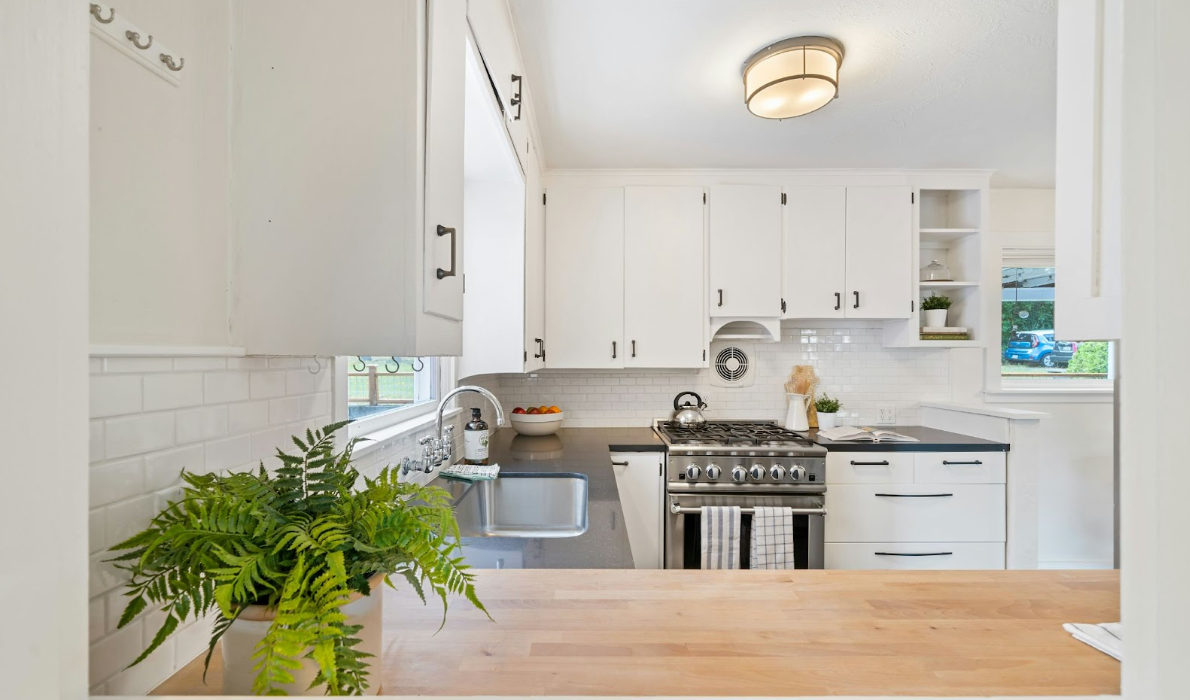
Kitchen renovations often focus on finishes and appliances, yet space planning usually has the greatest impact on how the room feels and functions. Even larger kitchens can feel cramped when layouts are inefficient, while smaller ones can work beautifully with the right choices. Thoughtful design decisions, such as kitchen pocket doors, help reduce clutter, improve circulation, and make kitchens feel calmer and more usable without increasing square footage.
Starting With Layout Efficiency
Layout defines how a kitchen operates. Poor circulation forces people to cross paths or reach awkwardly for everyday items. Good layout planning prioritises clear walkways and logical placement of key zones. Positioning cooking, preparation, and cleaning areas in a sensible sequence reduces unnecessary movement. This efficiency makes the space feel larger because activity flows smoothly rather than competing for the same areas.
Storage That Works Harder
Storage is often underestimated. Cabinets that are difficult to access or poorly organised waste valuable space. Modern storage solutions focus on accessibility as much as capacity.
Deep drawers, pull-out larders, and corner mechanisms bring hidden areas into use. Vertical storage maximises wall height without crowding the room. When everything has a defined place, worktops remain clear, and the kitchen feels more open.
Reducing Visual Clutter
Visual clutter makes kitchens feel smaller than they are. Open shelving, while popular, can quickly become overwhelming if not carefully managed. Balancing closed storage with selective open display helps maintain order. Flat-front cabinets and integrated appliances create uninterrupted lines, reducing visual noise. This simplicity allows the eye to travel across the room, creating a sense of space.
Improving Light And Reflection
Light plays a central role in perceived size. Dark kitchens absorb light and feel enclosed, especially in compact homes. Lighter finishes, reflective surfaces, and well-placed lighting visually expand the room. Under-cabinet lighting brightens work areas without adding bulk. When available, natural light should flow freely rather than being blocked by heavy partitions.
Smart Appliance Choices
Large appliances dominate kitchen layouts. Choosing models that fit the room’s scale prevents overcrowding. Integrated appliances blend into cabinetry, maintaining clean lines. Slimline dishwashers or combination ovens save space while meeting everyday needs. These choices reduce visual weight and improve circulation.
Kitchen Doors And Movement
Door choice directly affects how a kitchen connects to the rest of the home. Traditional hinged doors require clearance that can limit layout options. Space-saving alternatives remove this restriction. Pocket doors slide neatly into the wall, freeing up floor and wall space. This allows cabinets, seating, or storage to extend closer to entrances without obstruction. When open, these doors create a seamless connection. When closed, they contain noise and cooking odours without taking up space.
Open And Closed Balance
Many kitchens now sit within open-plan layouts. While openness brings light and flexibility, full exposure is not always practical. Designs that allow partial separation offer the best of both worlds. Sliding or pocket doors enable homeowners to adapt the space to their needs. This flexibility supports entertaining, family life, and quiet moments without permanent barriers.
Making Corners And Gaps Useful
Unused corners and awkward gaps often become dead space. Addressing these areas improves both storage and flow. Custom solutions, such as angled drawers or slim pull-out units, convert small gaps into functional zones. Even narrow spaces can store trays, spices, or cleaning supplies when designed carefully.
Planning For Daily Routines
Space-saving design should reflect real habits rather than idealised ones. Observing how the kitchen is used highlights problem areas.
Frequently used items should be within easy reach. Rarely used equipment can be stored higher or further away. This hierarchy reduces congestion and makes everyday tasks more efficient.
Avoiding Overfilling The Room
Adding more storage or features than needed can have the opposite effect. Overfilled kitchens feel tight and busy. Leaving some breathing space allows the design to function comfortably. Clear surfaces and open floor areas contribute to a sense of calm that supports both cooking and social use.
Small Changes With Big Impact
Not every improvement requires a full redesign. Swapping a hinged door for a pocket door, reconfiguring storage, or adjusting lighting can significantly change the kitchen’s feel.
These targeted updates often deliver strong results with minimal disruption. Space-saving design focuses on working smarter rather than adding more.
Designing For Comfort And Function
A successful kitchen renovation balances efficiency with comfort. When layouts reduce obstacles, storage supports routines, and doors enhance movement, the space feels larger and easier to use. Incorporating features like kitchen pocket doors demonstrates how thoughtful choices can transform everyday experience. By prioritising space-saving design, kitchens become more functional, flexible, and enjoyable places to spend time.
For more, visit Pure Magazine