


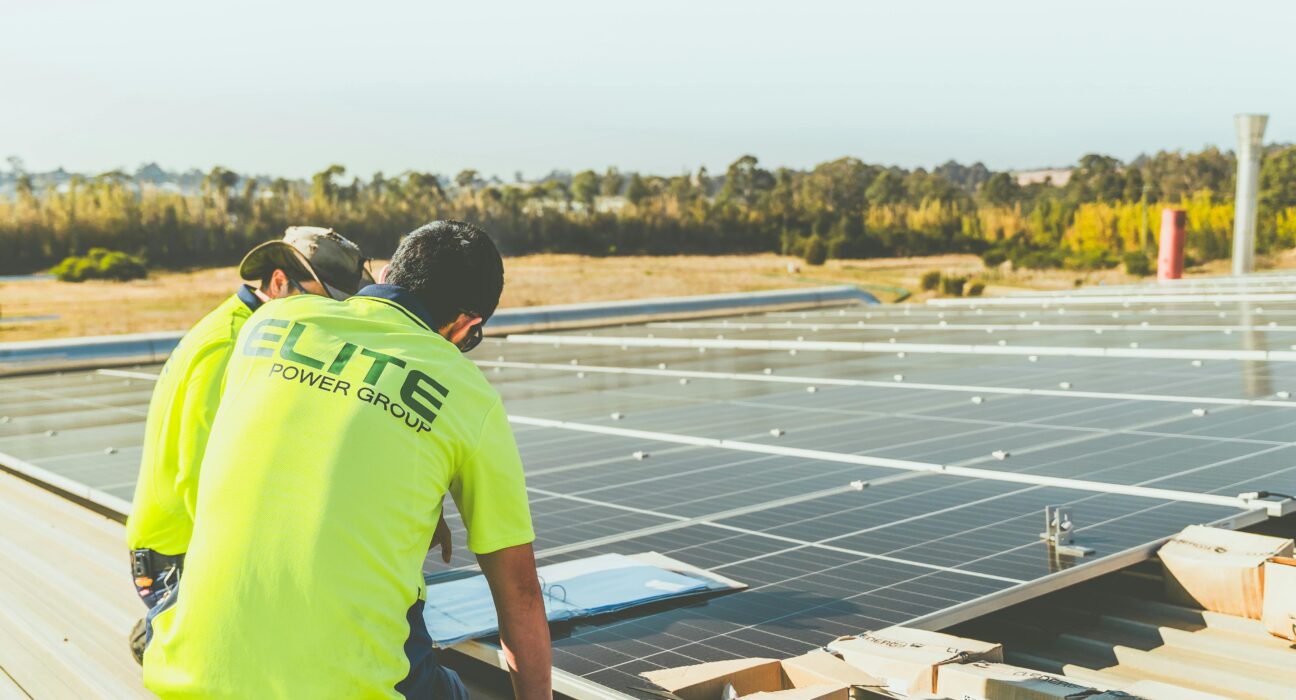
A solar energy system is a long-term investment, not a short-term upgrade. Homeowners expect consistent performance, reliable savings, and minimal issues for years to come. To meet these expectations, solar professionals follow a detailed design process focused on durability, efficiency, and future-proofing. Understanding this process helps homeowners appreciate the value of professional solar design, especially when partnering with experienced solar power companies in Utah.
Evaluating the Home and Property Conditions
The design process begins with a comprehensive home evaluation. Professionals assess the roof’s condition, slope, orientation, and available space, as these factors determine how much sunlight the system captures year-round. Identifying shading from trees, nearby buildings, or chimneys is also critical, as even minor obstructions can significantly drop efficiency. By carefully planning the layout to maximize sun exposure and avoid shadows, designers ensure the system delivers consistent energy output for decades rather than underperforming.
Analyzing Energy Usage Patterns
To ensure long-term performance, the system must be sized to meet actual energy needs. Solar professionals analyze past utility bills to identify daily, monthly, and seasonal usage patterns, which determines the required power output. Effective design also accounts for future changes, such as electric vehicles, home additions, or new appliances. Anticipating these needs helps avoid expensive upgrades later and ensures consistent performance throughout the system’s lifespan.
Selecting Durable Equipment for Longevity
The quality of the equipment plays a major role in a solar system’s lifespan. Professionals select panels, inverters, and mounting hardware designed to withstand years of exposure to harsh weather and temperature fluctuations. Durable materials and proper mounting techniques reduce wear and tear from elements like snow and wind. This focus on quality ensures the system will continue to produce energy efficiently for decades.
Designing for Efficient Energy Flow
System design goes beyond simply placing panels on a roof. Professionals carefully plan how electricity flows from the panels to the home’s electrical system. Proper wiring, strategic inverter placement, and effective load management ensure long-term reliability. Optimized energy flow reduces wear on components and enhances overall system performance. Thoughtful design also simplifies future maintenance or upgrades, supporting long-term use with minimal disruptions.
Accounting for Local Regulations and Grid Requirements
Solar systems must comply with local building codes and utility requirements. Professional designers ensure systems meet these standards from the start, preventing delays or performance issues. Understanding local regulations streamlines permitting and inspections. Systems designed with these requirements in mind are more reliable and maintain compliance throughout their lifespan.
Planning for Monitoring and Maintenance
To ensure long-term performance, you need visibility into how your system is working. Many systems include monitoring tools that track energy production and usage, helping homeowners and professionals quickly identify potential issues. It’s also important to design with maintenance in mind. Panels and components should be installed in a way that allows for easy inspections or servicing. This practical planning ensures the system remains healthy for years to come.
Building in Flexibility for Future Needs
A well-designed solar system is built with flexibility in mind, allowing homeowners to adapt to future energy needs. This could include leaving space for additional panels or using components that support upgrades. Such forward-thinking design protects the homeowner’s investment and ensures the system remains practical over time as energy demands change. Flexible systems are better suited for long-term use, offering both adaptability and value.
Prioritizing Safety and Structural Integrity
Safety is fundamental to long-term system design. Professionals verify that the roof can support the extra weight and ensure all components are securely mounted. Robust electrical safety and grounding measures are integrated to prevent faults or roof damage. By prioritizing structural planning, installers protect the home and ensure the system remains reliable for years to come.
The Value of Professional System Design
Designing a durable solar system requires expertise, careful planning, and attention to detail. From assessing the property to choosing the right equipment and planning for future needs, each step impacts long-term performance. Homeowners who work with trusted solar power professionals receive systems built to last, ensuring better efficiency, fewer problems, and greater overall value.
Conclusion
Solar systems are most effective when designed for longevity. Careful planning, quality equipment, and forward-thinking design choices contribute to consistent, long-term performance. Understanding this process highlights why professional design is essential for homeowners to get the most out of their solar energy investment.
For more, visit Pure Magazine