


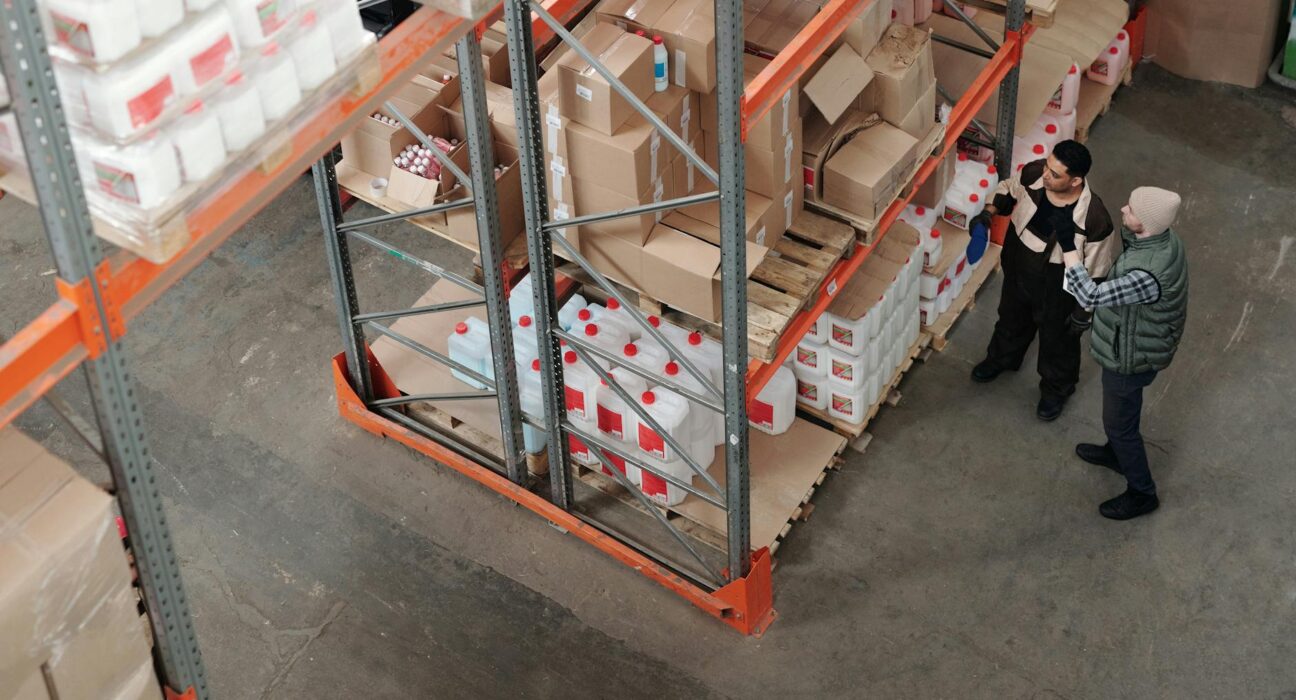
Warehouse work has transformed as intelligent systems take over the most tedious aspects of daily operations. Workers who once spent hours walking miles through vast facilities now receive optimised task sequences that minimise unnecessary movement. Understanding what is WES and how it reshapes the warehouse floor reveals why employee satisfaction and productivity rise together. Explore how technology creates better jobs!
The 2026 workforce challenge
Across Britain and Europe, warehouses struggle to attract and retain workers in a historically tight labour market. Facilities offering physically demanding, monotonous work lose staff to easier alternatives in retail, hospitality, or delivery services. At the same time, energy costs have soared, making inefficient operations financially unsustainable. Smart software addresses both challenges simultaneously – it makes jobs more appealing whilst extracting maximum productivity from every shift.
This dual benefit explains why WES adoption has accelerated dramatically through 2026. Warehouse operators recognise that technology investments pay dividends in both operational efficiency and workforce retention – two challenges that have traditionally pulled in opposite directions.
What is WES and how does it affect daily work?
A Warehouse Execution System coordinates real-time operations by intelligently distributing tasks across workers and equipment. Rather than following static pick lists, employees receive dynamic assignments that adapt to changing conditions. The system considers current location, skill level, and equipment availability when assigning each task.
Understanding what is WMS helps clarify the distinction. WMS handles strategic planning – inventory and order management – whilst WES executes those plans in real-time, optimising moment-to-moment operations.
This means workers spend more time on productive activities and less time walking, waiting, or searching for items. Whilst your WMS handles strategic planning – deciding which orders to process and how to allocate resources – your WES manages execution moment by moment.
Reducing physical strain through intelligent routing
Traditional operations often required workers to walk 15 kilometres or more daily, leading to fatigue and high turnover rates. Smart software dramatically reduces this burden by clustering tasks geographically and sequencing them to minimise backtracking. This thoughtful orchestration can cut walking distances by 30-40% without requiring workers to move faster. Less fatigue means fewer injuries, lower absenteeism, and workers who actually want to return for their next shift.
Physical improvements workers typically notice:
- Less exhaustion at shift end due to significantly reduced walking distances
- Fewer heavy lifting tasks as automated systems handle bulky items
- Better ergonomic conditions through optimised pick sequences
- More predictable workloads that reduce stress and uncertainty
When equipment fails: Seamless task reassignment
Nothing frustrates workers more than waiting for broken equipment whilst orders pile up. With sophisticated WES software, equipment failures trigger instant automatic task redistribution. Within milliseconds, the system recalculates affected workflows and sends new instructions to workers’ handheld devices, routing them around the issue. The shift continues smoothly – no standing around, no frantic supervisor intervention required.
The Consafe Logistics approach to worker-friendly technology
Companies like Consafe Logistics have developed WES solutions with built-in performance dashboards that help workers track their own progress without feeling constantly monitored. Their Astro WMS platform integrates seamlessly with voice-directed systems and wearable scanners, keeping hands free for productive tasks.
Importantly, the system works with equipment from any manufacturer, so facilities can choose devices their workers find most comfortable rather than being locked into one vendor’s ecosystem. This flexibility extends to training as well.
Building skills for future career growth
Warehouse roles increasingly involve technology interaction that builds transferable skills valued across modern logistics operations. Workers mastering WES interfaces develop capabilities that open doors to supervisory roles, systems administration positions, and process improvement specialisations. Rather than dead-end positions, these jobs become stepping stones toward meaningful career advancement.
For more, visit Pure Magazine