


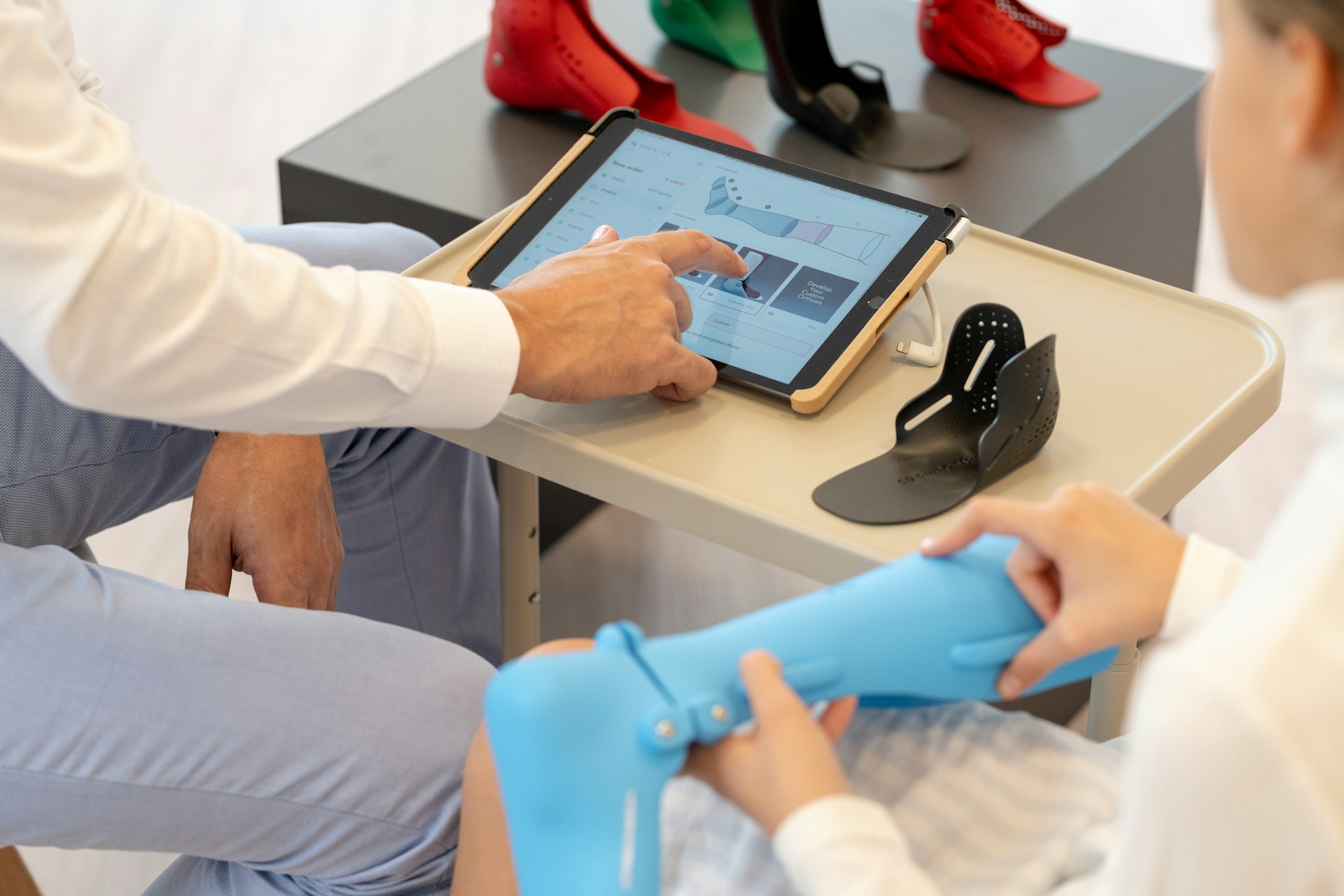
Small clinics face daily pressure from patients who expect faster communication and simpler digital interactions. Many clinics still rely on manual systems that slow staff responses and confuse patients.
Better digital tools help clinics create clearer processes that support trust, comfort, and long-term relationships.
Why Digital Tools Matter for Small Clinic Patient Experience
Patients judge clinics by how easily they schedule visits, complete paperwork, and access information. Digital tools give small clinics more control over communication touchpoints across the patient journey. Staff can guide patients clearly when systems reduce repetitive steps and unclear instructions.
Modern tools support patient confidence by reducing confusion during intake and follow-up steps. Clinics using digital workflows often see fewer missed appointments and fewer phone interruptions. Patients feel respected when clinics value their time and attention.
A thoughtful monetization architecture also supports experience by aligning billing visibility with patient expectations. Transparent systems reduce billing anxiety and improve trust during care delivery. Small clinics benefit when financial workflows feel predictable and understandable for patients.
Improving Intake and Communication With Smarter Forms
Paper intake forms often frustrate patients before care even begins. A digital form builder allows clinics to collect accurate information without repeated questions. Patients complete forms at home and arrive prepared for their visit.
Staff gain cleaner data when a form builder validates entries and organizes responses automatically. Clinics avoid transcription errors that cause delays during appointments. Clear digital intake improves conversations between providers and patients.
Digital forms also support accessibility through mobile-friendly layouts and simple instructions. Parents appreciate this flexibility when completing forms for children. Pediatric clinics see smoother visits when families understand expectations before arriving.
Using a form builder supports personalization without overwhelming staff workflows. Clinics tailor questions based on visit type or patient age groups. This targeted approach respects patient time and reduces unnecessary cognitive load.
Using Pediatric EMR Systems to Support Family Centered Care
A pediatric EMR supports care coordination for children with complex developmental or medical needs. These systems organize growth charts, immunization schedules, and family notes in one place. Providers gain context quickly during appointments.
Parents value clear records that reflect their child’s history accurately. Pediatric EMR platforms reduce repeated explanations during visits. This clarity builds confidence and strengthens provider family relationships.
Digital pediatric records also support better communication between care teams. Specialists access consistent information without relying on paper exchanges. Clinics reduce misunderstandings that can delay treatment decisions.
When clinics adopt pediatric EMR systems thoughtfully, staff workflows improve without overwhelming families. The right setup supports conversation rather than screen-focused visits. Technology becomes a background support rather than a distraction.
Supporting Staff Satisfaction to Improve Patient Experience
Patient experience improves when clinic staff feel confident and supported by their tools. Digital systems reduce repetitive tasks that drain staff energy during busy days. Calm staff communicate better with patients.
Clear workflows help new employees learn processes faster and make fewer mistakes. Clinics reduce stress when systems clearly guide actions. Staff feel valued when tools support their work rather than complicate it.
Better internal systems indirectly improve patient interactions by boosting staff morale. Patients notice when teams communicate calmly and clearly. Positive energy transfers naturally during appointments.
Investing in staff-friendly tools strengthens patient experience without extra marketing effort. Clinics build reputation through daily interactions rather than slogans. Technology supports people when designed around real clinic needs.
Conclusion: Building Better Experiences Through Thoughtful Digital Choices
Small clinics improve patient experience when digital tools support clarity, comfort, and trust. Thoughtful systems reduce confusion across intake, care delivery, and billing steps. Patients respond positively when clinics respect their time and attention.
Tools like a form builder simplify early interactions and reduce staff workload. Pediatric EMR platforms support family centered care through organized, accessible records. A clear monetization architecture reduces billing anxiety and supports transparent relationships.
Better digital tools do not replace human care, but they support it quietly. Clinics that choose patient friendly systems create calmer environments for everyone involved. Over time, these choices build loyalty, reputation, and stronger outcomes for small clinics.
For more, visit Pure Magazine